12701 Marblestone Dr #260, Woodbridge, VA 22192

How Long Do Dental Implants Last?


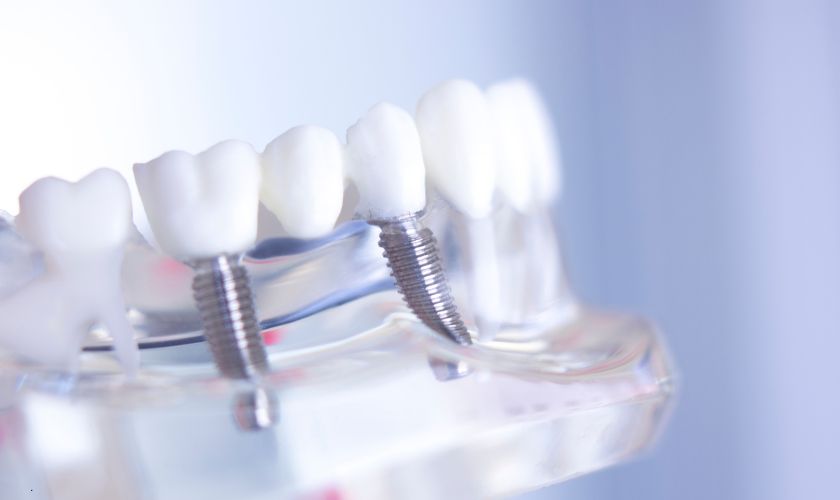
Dental implants have transformed how we approach tooth replacement, offering a durable, natural-looking solution that can last decades. But just how long can you expect a dental implant to last? This depends on several factors, including oral health, lifestyle, and implant quality. Here’s a comprehensive look at what influences the lifespan of dental implants and how you can maximize their longevity.
Understanding the Structure of Dental Implants
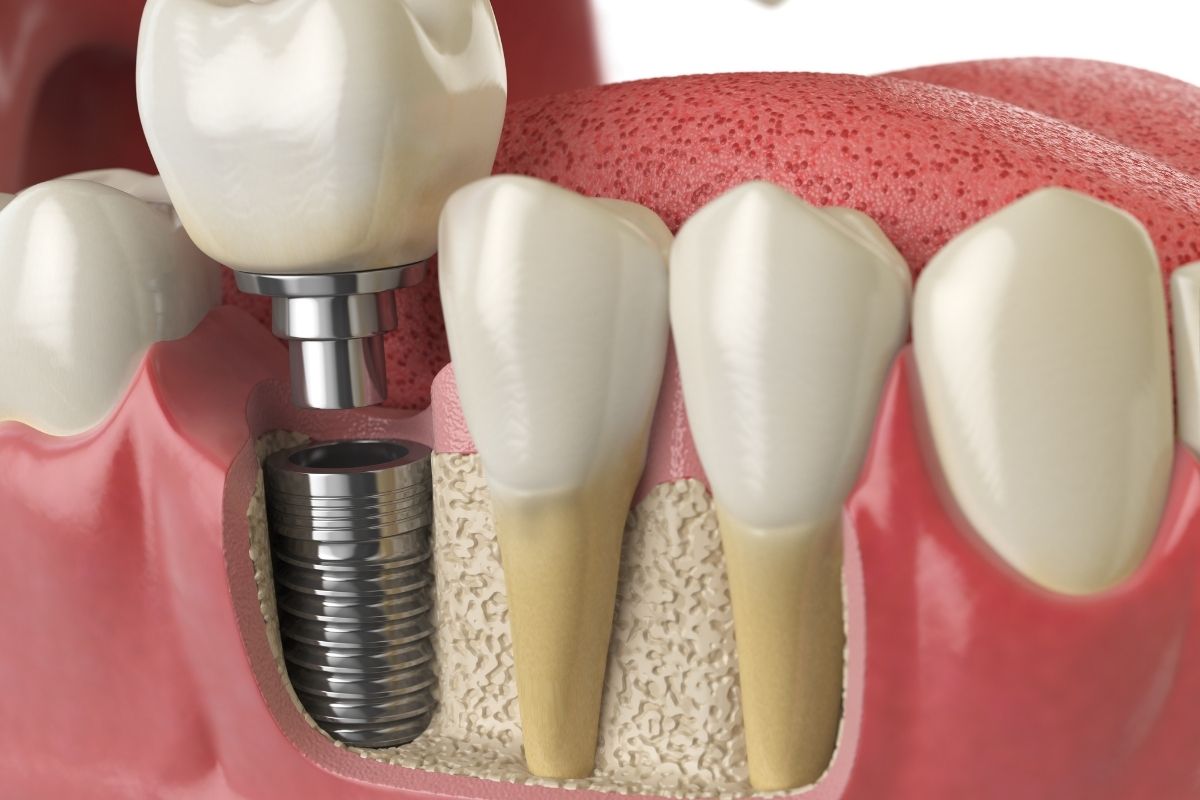
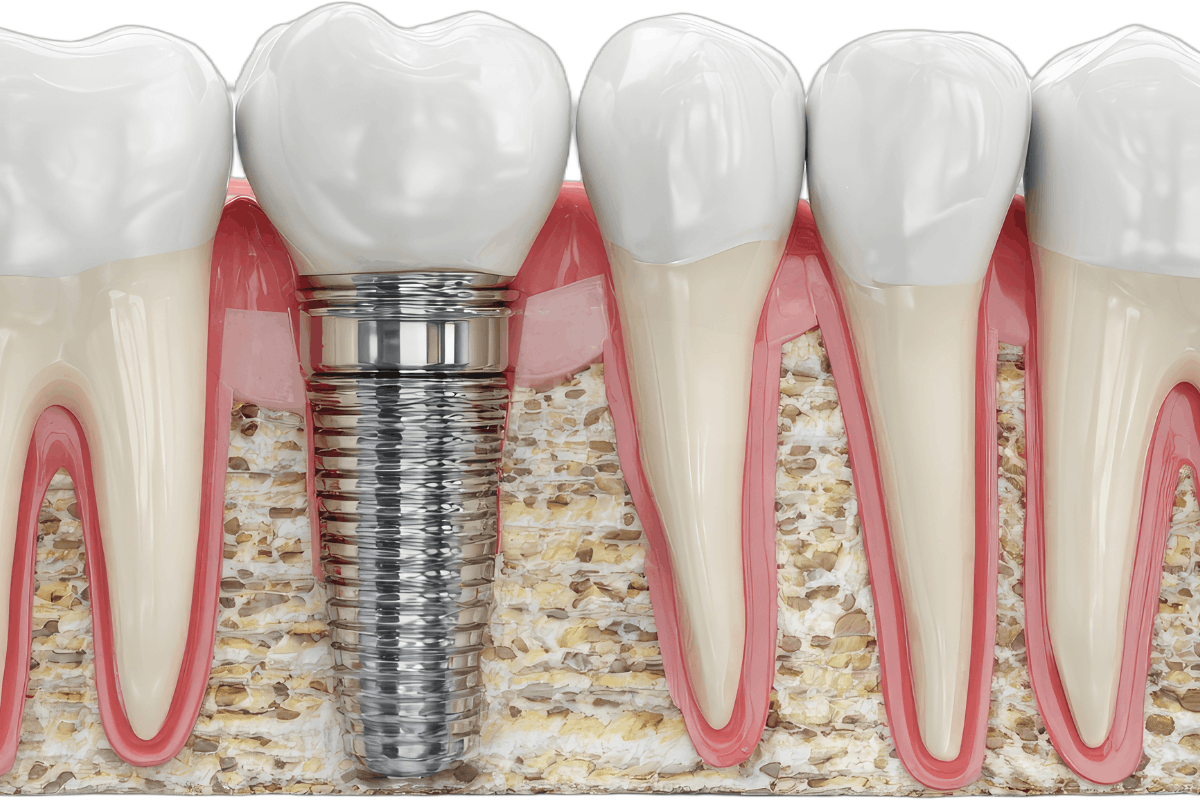
A dental implant has three key components: the implant post, the abutment, and the crown. The post, made of biocompatible titanium, is embedded directly into the jawbone. Over time, it fuses with the bone through osseointegration, creating a stable foundation. The abutment links the post to the crown, which is the visible portion of the implant that resembles a natural tooth. When cared for properly, this structure can closely mimic the strength and function of a natural tooth.
Average Lifespan of Dental Implants
In most cases, the implant post itself can last a lifetime. Research indicates that dental implants have an average success rate of about 95%, and many implants remain functional and in excellent condition 20 years or more after placement. However, as a result of regular wear and tear, the crown attached to the implant may need to be replaced after 10 to 15 years.
Factors such as how well you care for your implant and the quality of the materials can also influence longevity. For instance, a high-quality porcelain crown made from resin-based materials will likely last longer than one made from resin-based materials.
Key Factors Affecting the Longevity of Dental Implants
Several factors can determine how long your dental implants will last. Here are some critical considerations:
Oral Hygiene
Proper oral hygiene is essential to the success and longevity of dental implants. You should brush and floss daily, paying particular attention to the area around the implant. Even though the implant is resistant to decay, gum health is essential to prevent peri-implantitis, an infection that can damage the surrounding bone and lead to implant failure.
Lifestyle Choices
Habits like smoking, excessive alcohol consumption, and poor diet can shorten the lifespan of a dental implant. Smoking, in particular, restricts blood flow to the gums, which can hinder healing and increase the risk of infection. Limiting these habits can significantly improve your implant’s lifespan.
Regular Dental Checkups
Routine dental visits allow your dentist to monitor the health of your implant and address any early signs of complications. Professional cleanings and examinations also help keep your gums and surrounding teeth healthy, reducing the risk of bone loss that could compromise the implant.
Bone Health
For a dental implant to stay securely in place, you need adequate bone density in the jaw. Conditions like osteoporosis or significant bone loss over time can weaken the implant’s support structure. If you experience bone loss, your dentist might recommend a bone graft to strengthen the jaw and maintain implant stability.
Implant Placement and Quality
The experience and skill of your dentist or oral surgeon in Woodbridge can influence the longevity of your implant. Additionally, the quality of materials, such as titanium alloy for the post and durable, natural-looking materials for the crown, contribute to a long-lasting result.
Tips for Extending the Life of Your Dental Implants
If you want to ensure your dental implants last as long as possible, you can take a few proactive steps:
Practice good oral hygiene: Brush twice daily and floss around the implant to remove plaque and food particles that could irritate the gums.
Avoid grinding your teeth: If you have bruxism or teeth grinding, consider a mouthguard to protect your implant from excessive force.
Limit sugar intake: Sugar can contribute to gum disease and impact the health of tissues surrounding your implant.
Eat a balanced diet: Nutrients like calcium and vitamin D play a role in bone health and support the stability of the implant.
When to Seek Help for Implant Issues
Even though dental implants are designed to be solid and long-lasting, problems can arise. If you notice pain, swelling, or any changes in how the implant feels, contact your dentist in Woodbridge promptly. Ignoring these signs could lead to infection or implant failure. Regular checkups allow your dentist to catch and treat minor issues before they become major concerns.
Dental implants offer a durable, natural-looking solution that can last a lifetime with the proper care. While the implant post often remains intact, the crown may need replacement after about a decade. By maintaining good oral hygiene, making healthy lifestyle choices, and attending regular dental checkups, you can extend the life of your dental implants and enjoy a comfortable, confident smile for years to come.