12701 Marblestone Dr #260, Woodbridge, VA 22192

Are Teeth Whitening Strips Safe? What You Need to Know Before Using Them



A bright, white smile can boost confidence and leave a lasting impression. For many Americans, teeth whitening strips have become a popular at-home solution to remove stains and brighten teeth. But with so many options available, it’s natural to wonder: are teeth whitening strips safe? Let’s explore how they work, their effectiveness, and tips for using them safely.
How Do Teeth Whitening Strips Work?
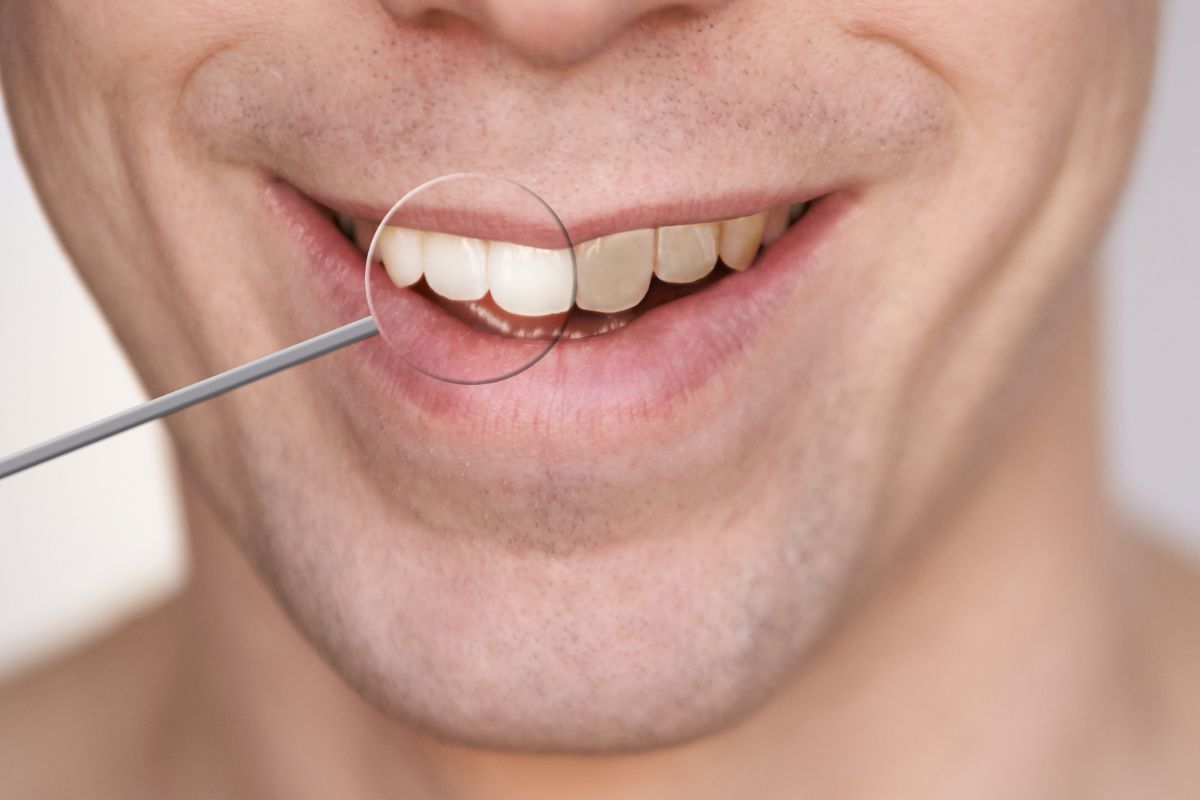
Teeth whitening strips contain a peroxide-based bleaching agent that penetrates the enamel and breaks down stains. These stains can be caused by various factors, including coffee, tea, red wine, and smoking. When used correctly, teeth-whitening strips can significantly lighten the color of your teeth.
Potential Risks of Teeth Whitening Strips
While teeth-whitening strips are generally considered safe, they can cause some side effects. Here are a few things to keep in mind:
Sensitivity: One of the most common side effects of teeth-whitening strips is tooth sensitivity. This sensitivity can be temporary and may subside after a few days. If you have sensitive teeth, you may want to start with a lower concentration of peroxide or consult with your cosmetic dentist in Woodbridge.
Gum Irritation: If the whitening strips come into contact with your gums, they can cause irritation or burning. To avoid this, follow the instructions carefully and avoid overapplying the strips.
Enamel Erosion: Using excessive teeth whitening strips can lead to enamel erosion. Your teeth’s enamel is the hard outer covering that keeps them safe from harm. When it’s weakened, your teeth are more susceptible to stains, sensitivity, and decay.
Allergic Reactions: In rare cases, people may experience allergic reactions to the ingredients in teeth-whitening strips. If you have a history of allergies, it’s a good idea to test a small area of your teeth before using the strips.
Is It Safe to Use Teeth Whitening Strips?
If you’re considering using teeth-whitening strips, it’s important to weigh the potential risks and benefits. For most people, they are a safe and effective way to brighten their smile. However, if you have sensitive teeth, gum disease, or any other dental difficulties, you should visit your cosmetic dentist before using them.
Tips for Using Teeth Whitening Strips Safely
Follow the Instructions: Always follow the instructions provided with your teeth-whitening strips. This will help you avoid side effects and achieve optimal results.
Don’t Overuse Them: Using teeth whitening strips too often can increase the risk of enamel erosion and sensitivity. Limit their use to the recommended frequency.
Protect Your Gums: Make sure to avoid getting the whitening gel on your gums, as this can irritate them.
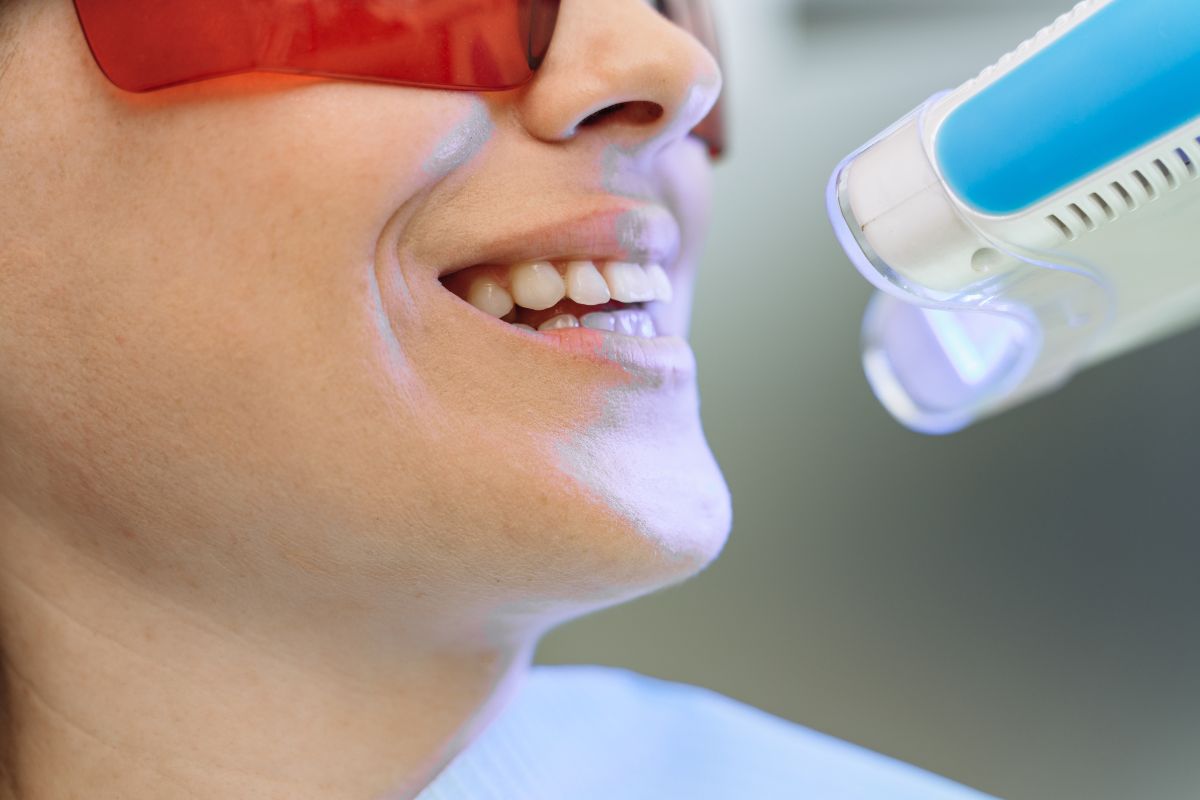
Consider a Professional Treatment: If you have severe stains or are concerned about the potential risks of over-the-counter whitening products, consider consulting with a cosmetic dentist near you for a professional teeth whitening treatment.
Alternatives to Whitening Strips
If teeth whitening strips are not suitable, consider other options:
✔️ Professional whitening: In-office teeth whitening performed by a dentist offers faster and more controlled results.
✔️ Whitening toothpaste: Helps remove surface stains over time but is less potent than strips.
✔️Custom trays: Dentists can provide custom-fitted trays with professional-grade whitening gel for a safer at-home option.
By understanding the potential risks and benefits of teeth whitening strips, you can make an informed decision about whether they are right for you. If you have any concerns, don’t hesitate to talk to your cosmetic dentist.