12701 Marblestone Dr #260, Woodbridge, VA 22192

How Long After a Bone Graft Can You Get Dental Implants?


Most patients need to wait several months after a dental bone graft before receiving a dental implant. A common timeframe is approximately three to six months, although some procedures require longer. The exact waiting period depends on the size and location of the graft, the type of procedure performed, your overall health, and how well the graft heals.
The goal is to give the jawbone enough time to develop a stable foundation for the implant. At Parkway Smiles Dentistry in Woodbridge, VA, implant planning begins with evaluating your bone health and determining the appropriate timing for treatment.
Why Do You Need a Bone Graft Before Dental Implants?
A dental bone graft rebuilds or preserves jawbone in an area where there is not enough bone to support an implant. Bone loss can occur after tooth extraction, gum disease, injury, or prolonged tooth loss.
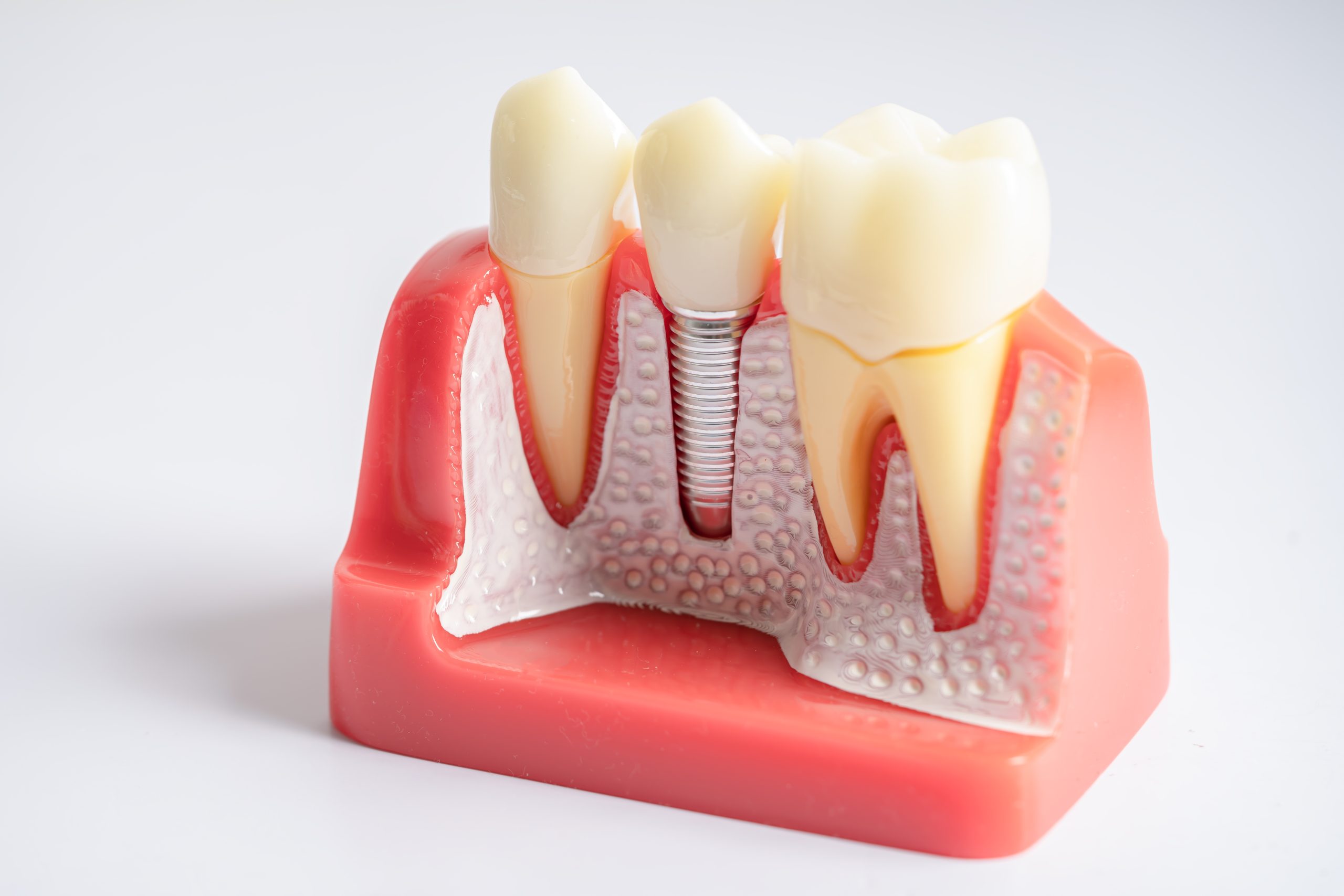
A dental implant is placed in the jawbone and acts as an artificial tooth root. If the bone lacks sufficient volume or quality, the implant may not achieve the stability needed for successful treatment.
Bone grafting adds material that supports bone regeneration. Over time, the grafted area remodels as new bone develops. Once the site has healed sufficiently, your dentist can assess whether it is ready for implant placement.
Not every patient needs a separate grafting procedure. In selected cases, grafting and implant placement can be performed during the same appointment.
Types of Bone Grafts and Their Timelines
Dentists perform several types of bone grafts, and the timeline depends on the method used:
Autografts use bone harvested from your body, typically from the chin or hip. Autografts promote faster healing since they use your natural tissue.
Allografts: These come from a human donor. They are commonly used and eliminate the need for a second surgical site.
Xenografts: These use bone from an animal source, often bovine, and are processed for safe use.
Alloplasts: These use synthetic materials to stimulate bone growth.
Each graft type has its own healing timeline, but the goal remains: build a strong, healthy jawbone to support your implant.
How Long Does It Take for a Bone Graft to Heal Before an Implant?
For many patients, implant placement is considered after approximately three to six months of healing. However, this is a general estimate, not a fixed deadline.
The timing varies according to the procedure:
- Socket preservation: A smaller graft placed in an extraction socket may be ready for implant planning after several months.
- Ridge augmentation: Rebuilding a thin or deficient jawbone may require several months, depending on the extent of reconstruction.
- Larger bone grafts: More extensive grafting may require additional healing before an implant can be placed.
- Sinus lift: When bone is added to the upper jaw near the sinus, the waiting period depends on the amount of bone added and whether an implant can be placed at the same time.
Your dentist or oral surgeon will determine the appropriate timeline for your particular procedure. The calendar alone cannot confirm that a graft is ready.
What Factors Affect the Waiting Time Between a Bone Graft and an Implant?
Several factors influence how quickly a graft heals and when an implant can be placed.
The Size and Location of the Graft
A small graft generally involves less reconstruction than a large graft used to rebuild significant bone loss. The location also matters, particularly when the procedure involves the upper jaw and a sinus lift.
Your General Health
Certain health conditions can affect healing. For example, poorly controlled diabetes may interfere with wound healing and increase the risk of complications. Your dental team should know about your medical conditions and medications before treatment.
Smoking and Tobacco Use
Smoking can impair blood flow and healing and is associated with poorer outcomes in bone grafting and implant treatment. Avoiding tobacco during recovery and following your clinician’s recommendations can help reduce risks.
Infection and Oral Hygiene
An infection or inadequate plaque control may interfere with healing. Follow your post-operative instructions, maintain the recommended oral hygiene routine, and attend scheduled follow-up appointments.
How Does a Dentist Know When the Bone Graft Is Ready for an Implant?
Your dentist assesses the graft site rather than relying on a standard number of months.
The evaluation may include:
- Clinical examination: Checking the surgical site, gum tissue, and signs of infection or inflammation.
- Dental imaging: Using appropriate X-rays or three-dimensional imaging, when indicated, to assess bone dimensions and plan implant placement.
- Reviewing your healing progress: Considering the type of graft, the original bone deficiency, your medical history, and any post-operative complications.
The site must have sufficient bone volume and suitable conditions for stable implant placement. Imaging helps with planning, but the findings must be interpreted alongside the clinical examination.
If the graft needs more time, your dentist may recommend waiting and reassessing the area rather than placing an implant prematurely.
What Happens After the Dental Implant Is Placed?
Healing continues after implant surgery. The implant must integrate with the surrounding jawbone through a process called osseointegration.
This stage often takes another three to six months, although timing varies by patient and treatment plan. During this period, your dentist monitors healing and determines when the implant can support the final restoration.
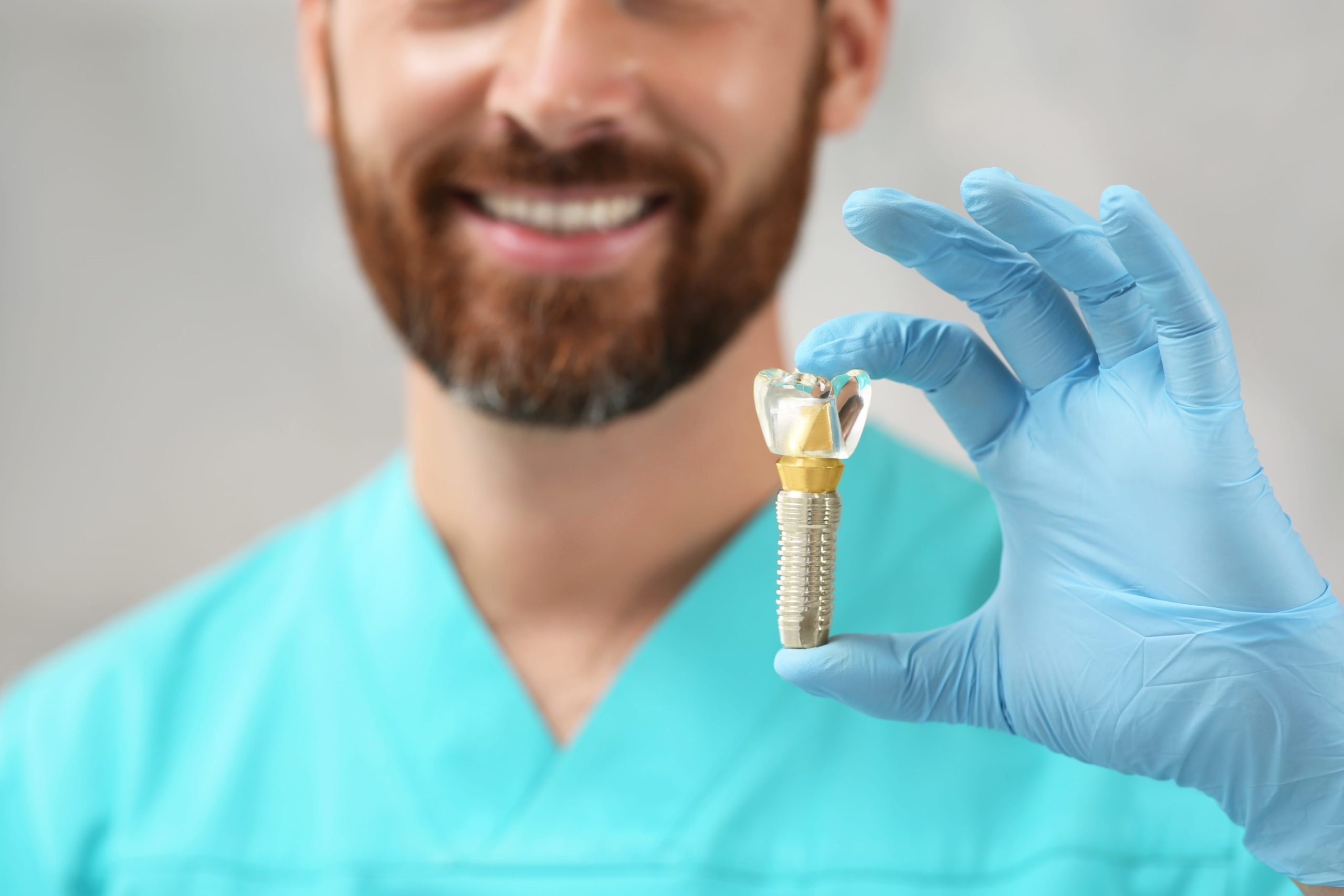
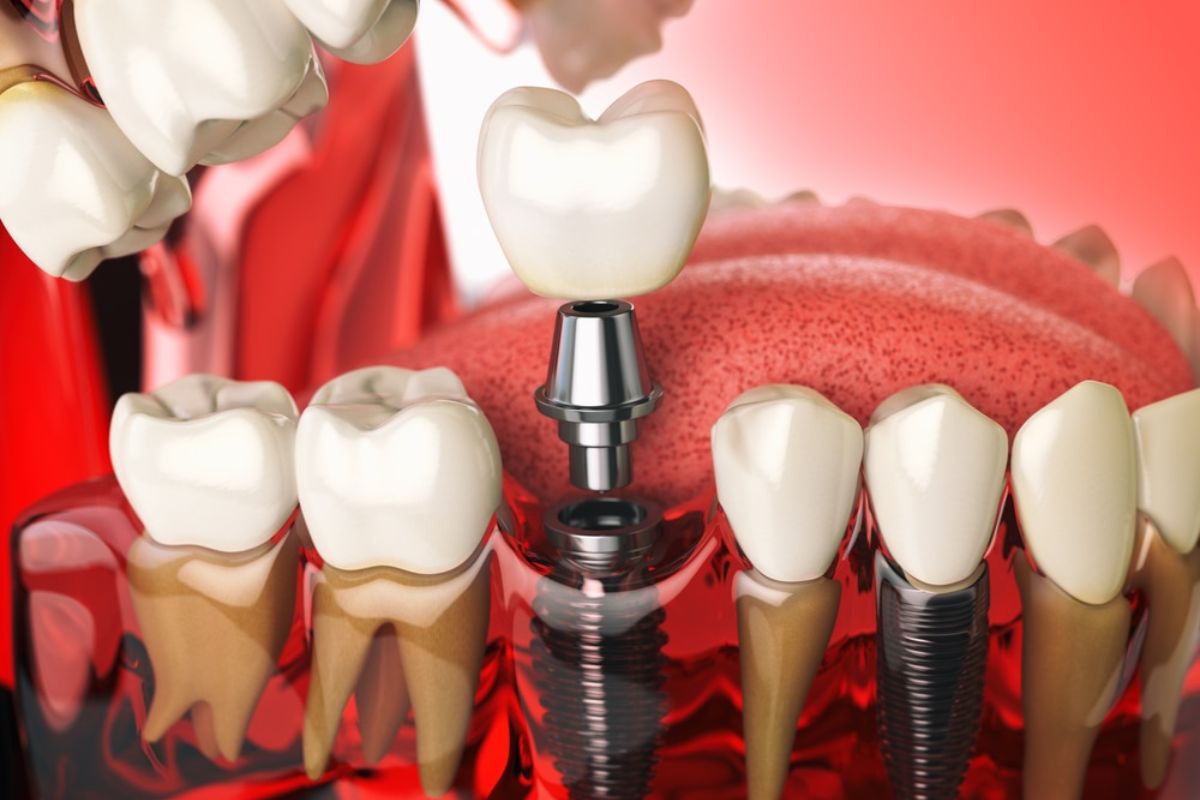
Once the implant is sufficiently stable, the next steps may include attaching an abutment and placing a custom crown. Some patients receive a temporary tooth during treatment, depending on the location of the missing tooth and the clinical circumstances.
The complete process can therefore take several months from grafting through final restoration. Additional procedures or delayed healing may extend the timeline.
What Happens If You Delay Dental Implants After a Bone Graft?
Delaying an implant does not automatically mean your bone graft has failed. However, the condition of the grafted area may change over time.
After a tooth is lost, the jawbone can gradually remodel and lose volume. Grafted bone can also change as it heals. Depending on the original defect, graft type, and time elapsed, your dentist may need to reassess the available bone before proceeding.
If you postpone treatment, a new examination may reveal that the original plan remains appropriate or that additional grafting or other treatment is needed.
There is no universal maximum waiting period that applies to every patient. If you have already had a bone graft and have not scheduled your implant, contact your dentist to determine whether the site is still suitable for the planned treatment.
How Can You Support Bone Graft Healing?
Following your post-operative instructions is important for protecting the graft and reducing the risk of complications.
- Eat soft foods for the period recommended by your dental team, and avoid chewing directly on the surgical site.
- Avoid smoking and other tobacco products during recovery.
- Keep the area clean using the oral hygiene methods recommended by your clinician.
- Take prescribed medications exactly as directed.
- Avoid strenuous activity for the period specified in your recovery instructions.
- Attend follow-up appointments so your healing can be monitored.
Contact your dental team if you develop worsening pain, increasing swelling, persistent bleeding, fever, or drainage from the surgical site. These symptoms may require prompt evaluation.
Schedule a Dental Implant Consultation in Woodbridge, VA
The time between a bone graft and dental implant placement depends on how well the graft heals and whether the jawbone is ready to support the implant. Although many patients can proceed after several months, a personalized evaluation is essential.
Visit At Parkway Smiles Dentistry in Woodbridge, VA, patients can learn about dental implant placement and the factors involved in planning treatment. The practice also provides bone grafting and periodontal care.
If you have recently undergone a bone graft or are planning to replace a missing tooth, contact Parkway Smiles Dentistry to discuss your next steps.
Frequently Asked Questions
Can I get a dental implant three months after a bone graft?
Possibly. Some patients may be ready after approximately three months, while others need longer. Your dentist must assess the graft site and confirm that sufficient bone is available.
Can a dental implant be placed on the same day as a bone graft?
In selected cases, yes. Simultaneous grafting and implant placement may be possible when the bone conditions allow adequate implant stability and the surgical site is suitable. Otherwise, staged treatment is recommended.
Does a bone graft always take six months to heal?
No. Six months is not a universal requirement. Healing may take less or more time depending on the extent of grafting, the location, and individual recovery.
Will I need another bone graft if I wait too long?
Not necessarily. Your dentist will reassess the bone volume and condition before implant placement. Additional grafting is considered only if the available bone is insufficient for the planned treatment.
How long after an implant can I get my permanent crown?
Many patients need several months for the implant to integrate with the jawbone before the final crown is placed. The exact timing depends on implant stability, healing, and the restoration plan.
How do I know if my bone graft has healed properly?
Your dental team evaluates the surgical site, your symptoms, and appropriate imaging. Feeling better does not necessarily mean the bone has matured enough for an implant, so follow-up assessment remains important.