
12701 Marblestone Dr #260, Woodbridge, VA 22192

Why Is My Tongue White? Common Causes and Solutions for Woodbridge Residents


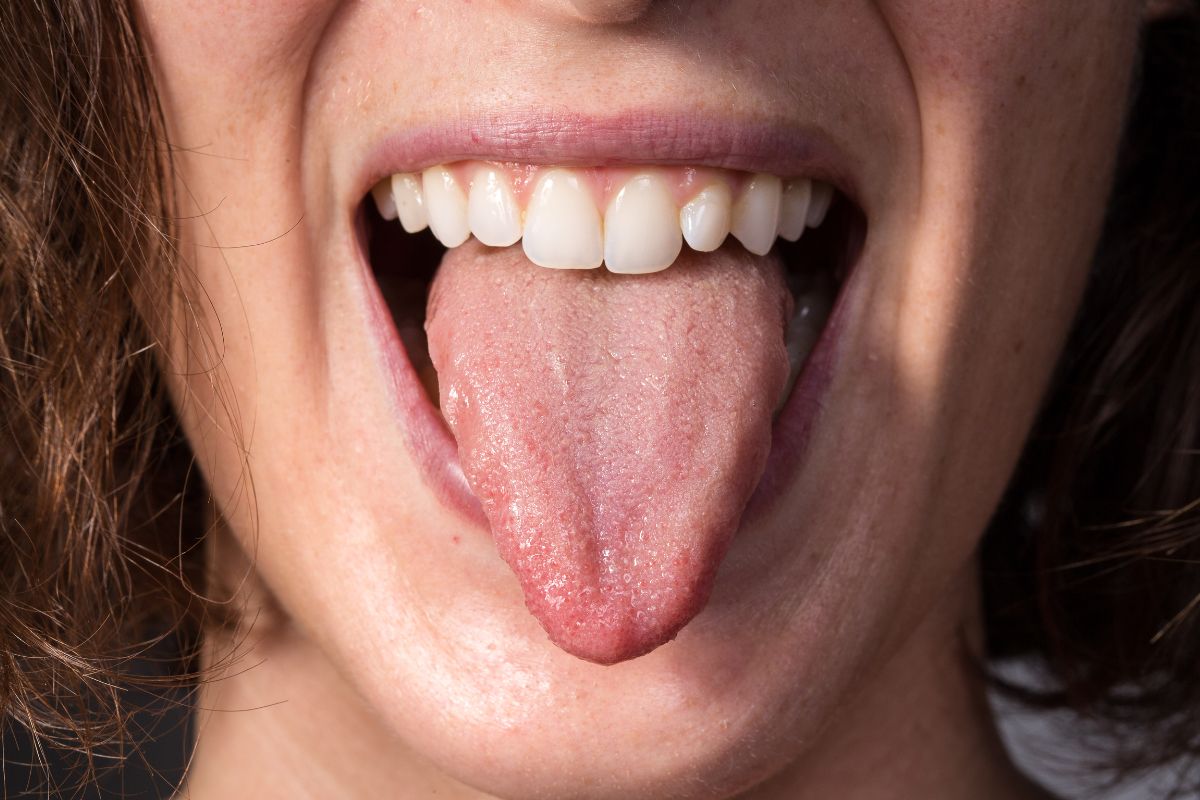
A white coating on the tongue can result from trapped bacteria, dead cells, food debris, or reduced saliva. The existing Parkway Smiles Dentistry article already addresses common causes, medical conditions, home care, and warning signs. The revision below strengthens its coverage of the queries that are generating impressions but few clicks, particularly “why is my tongue white even after brushing,” “why is my tongue white in the morning,” and “how to make your tongue pink.” It also adds clearer diagnostic guidance and more precise treatment advice.
Why is my tongue white even after brushing?
Your tongue may remain white after brushing because bacteria, dead cells, and food debris can collect between its tiny surface projections, called papillae. Dry mouth, mouth breathing, and incomplete tongue cleaning can contribute to this coating.
Brushing your teeth does not necessarily remove the buildup on your tongue. Even when you brush your tongue, the coating may return if your mouth remains dry or the underlying cause persists.
Common reasons include:
- Incomplete tongue cleaning: Residue can remain toward the back of the tongue or between its papillae.
- Dry mouth: Reduced saliva allows debris to accumulate more easily.
- Mouth breathing: Breathing through your mouth, particularly during sleep, can dry the tongue.
- Tobacco use: Smoking and other tobacco products can contribute to oral irritation and discoloration.
- Medication effects: Certain medicines reduce saliva production, while antibiotics can increase the risk of oral thrush.
- Underlying conditions: Oral candidiasis, oral lichen planus, and leukoplakia can cause white areas that need professional assessment.
A white tongue does not automatically indicate an infection. The appearance, duration, and associated symptoms help determine whether home care is appropriate or an examination is needed.
Why is my tongue white when I wake up?
A white tongue in the morning commonly results from reduced saliva flow during sleep, combined with the accumulation of bacteria and debris. Mouth breathing, nasal congestion, and dehydration can make the coating more noticeable.
Saliva helps clear food particles and maintain the mouth’s normal environment. During sleep, saliva production decreases. If you sleep with your mouth open or experience dry mouth, a white coating may become more visible when you wake up.
Try drinking water regularly and gently cleaning your tongue as part of your morning oral hygiene routine. If the coating improves after cleaning and does not cause other symptoms, temporary buildup may be responsible.
However, a coating that repeatedly returns, remains throughout the day, or appears alongside pain or persistent dry mouth deserves further evaluation.
What medical conditions can cause a white tongue?
A white tongue can sometimes indicate oral thrush, leukoplakia, oral lichen planus, or another condition that requires professional diagnosis. These conditions differ in appearance, cause, and treatment.
| Condition | Typical signs |
|---|---|
| Oral thrush | Creamy white patches that may leave red, sore areas when wiped away |
| Leukoplakia | White patches that generally cannot be rubbed off |
| Oral lichen planus | White, lace-like markings that may affect the tongue or inner cheeks |
| Geographic tongue | Smooth red areas surrounded by irregular, pale or white borders |
| Coated tongue | A diffuse white film associated with accumulated debris and enlarged papillae |
These descriptions are general indicators, not a way to diagnose yourself. Oral thrush is a fungal infection, while leukoplakia can sometimes contain precancerous changes. Persistent white patches should therefore be examined rather than repeatedly scraped.
Seek prompt dental or medical assessment if you notice a patch that does not wipe away, an unexplained sore, bleeding, a lump, or a persistent change in your tongue’s appearance. Difficulty swallowing or breathing requires urgent medical attention.
How can I make my tongue pink again?
You can often reduce a harmless white coating by gently cleaning your tongue, staying hydrated, and maintaining consistent oral hygiene. The appropriate approach depends on what is causing the discoloration.
Follow these practical steps:
- Brush your teeth twice daily with fluoride toothpaste.
- Gently brush your tongue or use a tongue scraper, moving from the back toward the front without pressing hard.
- Drink water regularly, especially when your mouth feels dry.
- Clean between your teeth daily with dental floss or an interdental brush.
- Avoid smoking and other tobacco products.
- Address persistent mouth breathing or dry mouth with appropriate professional guidance.
The American Dental Association explains that tongue scraping is optional and may help some people feel that their mouths are cleaner. It is not a substitute for brushing with fluoride toothpaste, cleaning between teeth, and regular dental care.
Do not scrub aggressively or use harsh chemicals to remove the coating. Excessive scraping can irritate the tongue and make discomfort worse.
A naturally healthy tongue does not have to be uniformly bright pink at every moment. Its appearance varies, and a white coating does not always indicate disease. If cleaning does not improve the coating or the discoloration keeps returning, investigate the underlying cause rather than focusing only on color.
Can allergies or dehydration cause a white tongue?
Dehydration and dry mouth can contribute to a white tongue, while allergies may contribute indirectly when nasal congestion causes mouth breathing. The coating alone cannot establish which factor is responsible.
Not drinking enough fluids can reduce available moisture in the mouth. Certain medicines, including some antihistamines, can also cause dry mouth. When allergies block the nose, breathing through the mouth during sleep may make the tongue drier.
Drink water regularly and review persistent dryness with a healthcare professional. Do not stop prescribed medication without consulting the prescriber.
If you experience ongoing thirst, unusually frequent urination, severe dryness, or other unexplained symptoms, seek medical advice. A white tongue by itself is not a reliable test for dehydration, allergies, or a nutritional deficiency.
When should I see a dentist about a white tongue?
Arrange a dental or medical examination if a white tongue persists for several weeks, causes pain, or includes patches that do not wipe away. Seek assessment sooner if you notice bleeding, sores, worsening symptoms, or difficulty eating.
A dentist can examine the tongue, gums, inner cheeks, and other oral tissues. They may ask when the coating began, whether it can be removed, which medicines you take, and whether you have dry mouth or other symptoms.
Treatment depends on the diagnosis. A simple coating may improve with better oral hygiene and hydration. Oral thrush may require prescribed antifungal medication, while other persistent white patches may need further investigation or referral.
Do not assume that every white patch is thrush or attempt to treat it with leftover medication. An accurate diagnosis helps avoid inappropriate treatment and delays in identifying a more serious condition.
If you are concerned about a persistent tongue coating, a dental evaluation can help identify possible oral causes and determine whether further medical assessment is appropriate. Patients seeking a dentist in Woodbridge, VA, can contact Parkway Smiles Dentistry to discuss their oral health concerns and arrange an appropriate examination.
The practice’s dental care website provides a starting point for learning about available services and contacting the team.
If you are planning a visit to our Woodbridge dental office, you can find us at 12701 Marblestone Dr #260. We look forward to seeing you soon and helping you feel confident about your oral health again.
What should I remember about a white tongue?
A white tongue is often caused by temporary buildup, but persistent or unusual white patches need professional assessment. Gentle cleaning and hydration can help with ordinary coating, while infections and other oral conditions may require specific treatment.
Pay attention to how long the coating lasts, whether it wipes away, and whether you have pain or other symptoms. These details can help your dentist determine the next step.
FAQs
Why is my tongue still white after brushing and scraping?
Your tongue may remain white because of dry mouth, recurring debris buildup, or an underlying oral condition such as oral thrush.
Is a white tongue in the morning normal?
A temporary white coating in the morning can result from reduced saliva production during sleep and may improve with hydration and gentle cleaning.
Can a white tongue mean I have a vitamin deficiency?
Some nutritional deficiencies, including iron or vitamin B12 deficiency, can affect oral tissues, but a white tongue alone cannot confirm a deficiency.
How long does a white tongue take to go away?
A simple coated tongue may improve with regular oral hygiene, but persistent discoloration lasting several weeks should be evaluated by a dentist or medical professional.
Can I scrape off all the white coating on my tongue?
Gentle scraping may remove ordinary surface buildup, but you should not forcefully scrape persistent white patches or areas that are painful or bleeding.