12701 Marblestone Dr #260, Woodbridge, VA 22192

What to Do If Your Dental Crown Falls Out: Immediate Steps & Prevention Tips



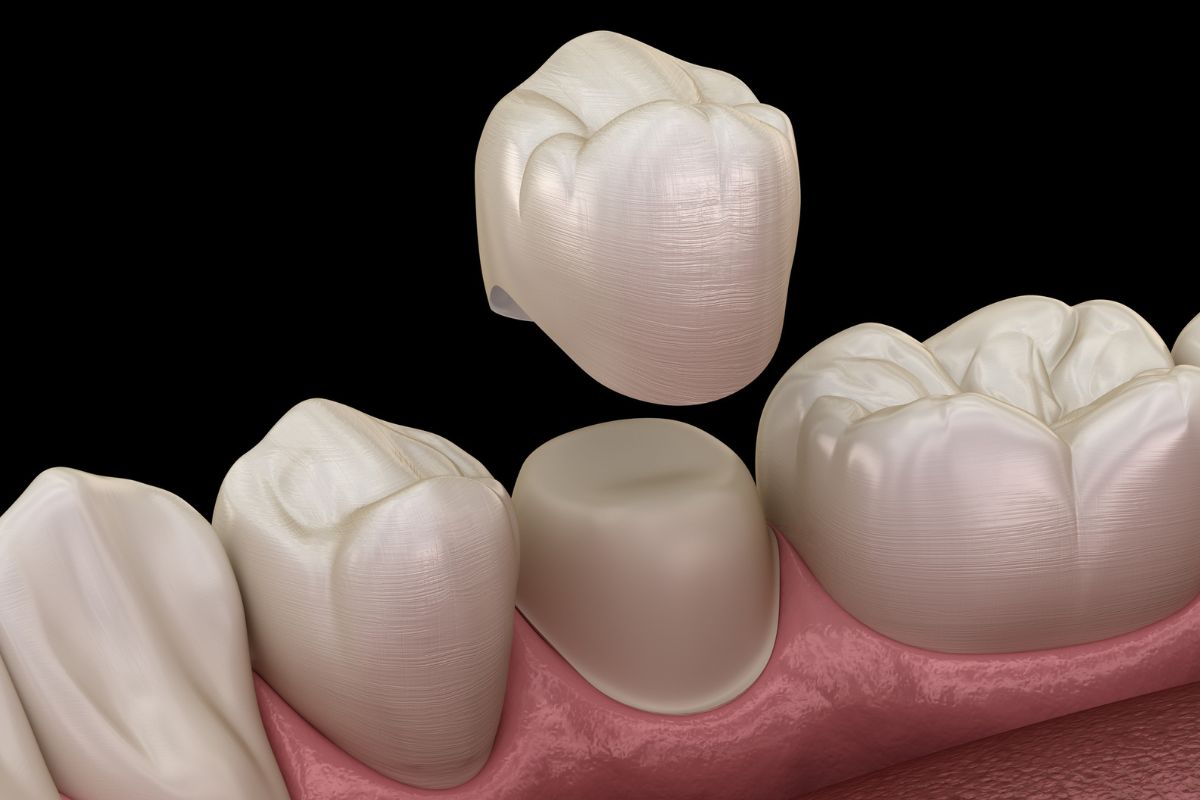
A dental crown falling out can be alarming, especially if it happens suddenly. Crowns are designed to protect and strengthen your tooth, and losing one can leave it vulnerable to damage, sensitivity, or infection. Knowing exactly what to do when a dental crown falls out can save your tooth and prevent further dental complications.
In this guide, we’ll walk you through the immediate steps to take, how to protect your tooth, treatment options, and ways to prevent future issues.
Immediate Steps to Take When a Crown Falls Out
1. Locate and Preserve the Crown
If your dental crown falls out, handle it carefully. Rinse it gently with lukewarm water to remove debris, but avoid scrubbing or using toothpaste, which can damage it. Store it in a safe, clean container and bring it to your dentist. Preserving the crown can often allow your dentist to reattach it.
2. Assess Your Tooth and Gum
Check your exposed tooth for pain, sensitivity, or signs of damage. If the tooth is broken, chipped, or has sharp edges, avoid touching it too much. Swelling or bleeding may indicate an urgent dental issue.
3. Temporary Protection
If you cannot see a dentist immediately, you can temporarily protect the tooth:
- Use dental cement available at most pharmacies.
- Alternatively, sugar-free gum can serve as a short-term solution to cover the tooth.
4. Avoid Certain Actions
Don’t ignore the situation. Avoid chewing on the affected side and avoid hard, sticky, or sugary foods that can worsen the condition.
Why Crowns Fall Out
Understanding why crowns fall out helps prevent future problems. Common causes include:
- Decay beneath the crown—cavities weaken the bonding and cause the crown to loosen.
- Poor fit or cement failure—crowns need precise fitting; sometimes the cement wears off.
- Trauma or injury—accidental biting or accidents—can dislodge a crown.
- Teeth grinding (bruxism)—consistent grinding can loosen crowns over time.
Signs that your crown might be at risk:
- Sensitivity or discomfort when chewing.
- Looseness or slight movement of the crown.
- Dark edges around the crown’s base.
Treatment Options After a Crown Falls Out
Once you see your dentist, several treatment options may be available depending on the condition of the crown and the tooth:
1. Re-Cementing the Original Crown
If the crown is intact and the tooth is healthy, your dentist may clean and re-cement it back in place. This is the simplest and most cost-effective solution.
2. Replacing the Crown
If the crown is damaged, fractured, or no longer provides a secure fit, a dental crown replacement may be recommended to restore the tooth’s structural integrity, function, and appearance. With today’s advanced dental technology, custom crowns can be fabricated efficiently for timely and precise restoration.
3. Additional Dental Procedures
If decay or damage is present beneath the crown, your dentist might need to perform a filling, core buildup, or even a root canal before placing a new crown.
Preventing Future Crown Problems
After your crown is restored, proper care is essential to prevent future issues:
- Maintain excellent oral hygiene: Brush twice daily with fluoride toothpaste and floss carefully around the crown.
- Protect against grinding: Use a night guard if you grind or clench your teeth.
- Regular dental check-ups: Visit your dentist at least twice a year for exams and cleanings.
- Watch your diet: Avoid sticky candies, ice, or hard foods that could dislodge your crown.
By following these steps, you can ensure your crown lasts for many years and protect the health of your natural tooth underneath.
Get Professional Help for Your Lost Crown
When a crown falls out, taking quick action helps protect your tooth from bacteria and further damage. Contact Parkway Smiles Dentistry as soon as possible for a professional evaluation and proper restoration. Conveniently located at 12701 Marblestone Dr #260, Woodbridge, VA 22192, the practice welcomes patients from Lake Ridge, Dale City, Occoquan, Dumfries, and Montclair. Acting quickly reduces the risk of infection, helps you avoid more complex procedures such as root canal treatment, and increases the likelihood that your original crown can be successfully reattached. Reach our office easily using Google Maps Directions to ensure you get fast and precise care.
FAQs
Can I reattach a crown at home?
You should not use glue or household adhesives. Temporary dental cement may help briefly, but only a dentist can safely and properly reattach or replace a crown.
How long can a crown stay out safely?
It’s best to see a dentist as soon as possible. Leaving the tooth exposed increases the risk of decay and infection.
Will my tooth always need a root canal afterward?
Not necessarily. Early treatment often prevents the need for root canal therapy.
How can I reduce the chance of my crown falling out again?
Good oral hygiene, avoiding hard foods, wearing a night guard, and regular dental visits all help reduce future risks.