12701 Marblestone Dr #260, Woodbridge, VA 22192

Is a Dental Implant the Best Option for Replacing a Missing Molar?


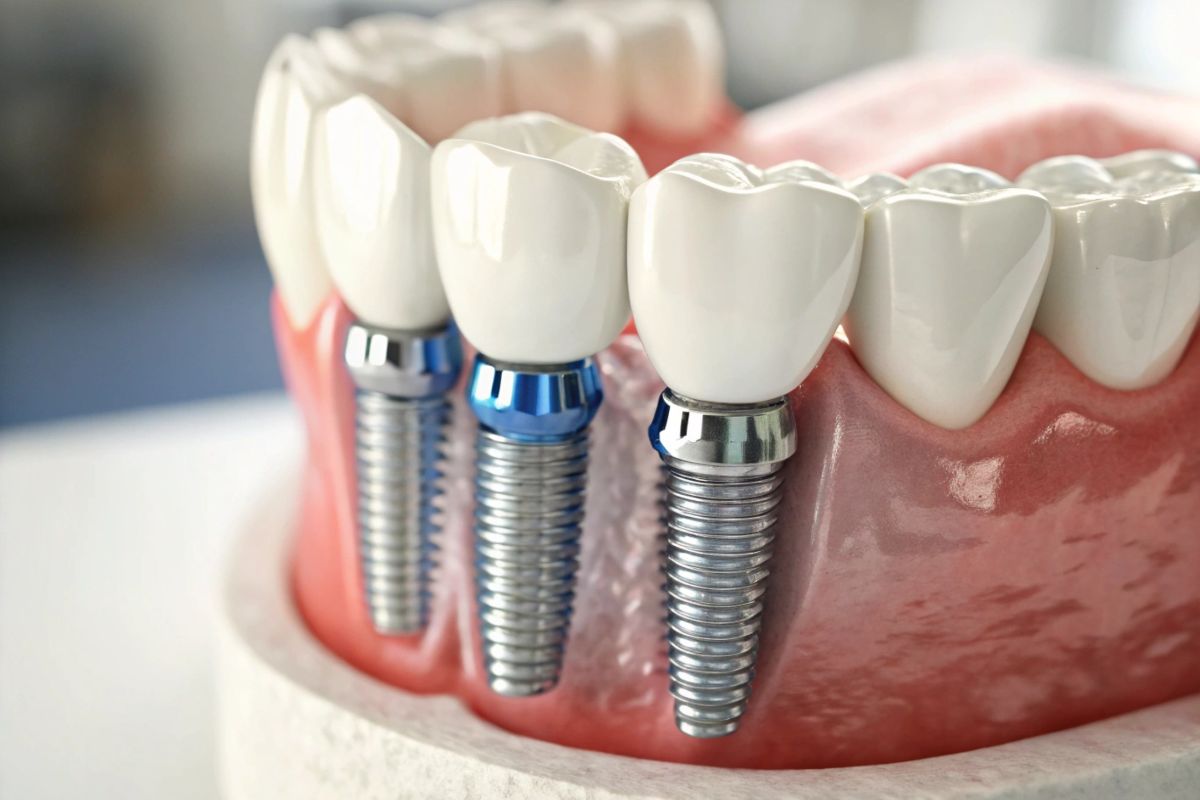
Dental implants are often considered the gold standard for replacing missing teeth, especially molars. Within the first few moments of losing a back tooth, many patients start wondering about comfort, chewing strength, and long-term oral health. If you live in Woodbridge and you are exploring reliable tooth replacement options, this guide will help you make an informed and confident decision.
Meet Dr. Su-En Thlick – Guidance You Can Trust

At Parkway Smiles Dentistry, your care is guided by Dr. Su-En Thlick, DMD, whose mission has always been to serve Woodbridge and nearby communities with honesty and compassion. From the very beginning, Dr. Thlick envisioned a family-friendly practice built on trust, education, and professional care.
With years of advanced medical training and hands-on experience, Dr. Thlick believes that informed patients make healthier choices. That is why she takes time to explain options like dental implants clearly, especially for parents and families considering long-term solutions for missing molar teeth.
If you’re ready to explore whether a dental implant is the right solution for you or your child, schedule an appointment with Dr. Su-En Thlick today.
Why Replacing a Missing Molar Is So Important
Molars play a major role in chewing, jaw support, and keeping nearby teeth stable. When one is missing, problems can develop faster than many people expect.
Common issues include:
- Difficulty chewing tougher foods
- Shifting of surrounding teeth
- Increased stress on the jaw joint
- Gradual bone loss in the jaw
Because molars handle most of the chewing force, replacing them promptly helps protect your overall oral health.
How Dental Implants Compare to Other Options
Before choosing treatment, it helps to compare dental implants with other common solutions.
Dental Bridge
- Uses nearby teeth for support
- Requires reshaping of healthy teeth
- May need replacement after several years
Partial Denture
- Removable and less stable
- Can feel bulky
- May shift during eating or speaking
Dental Implants
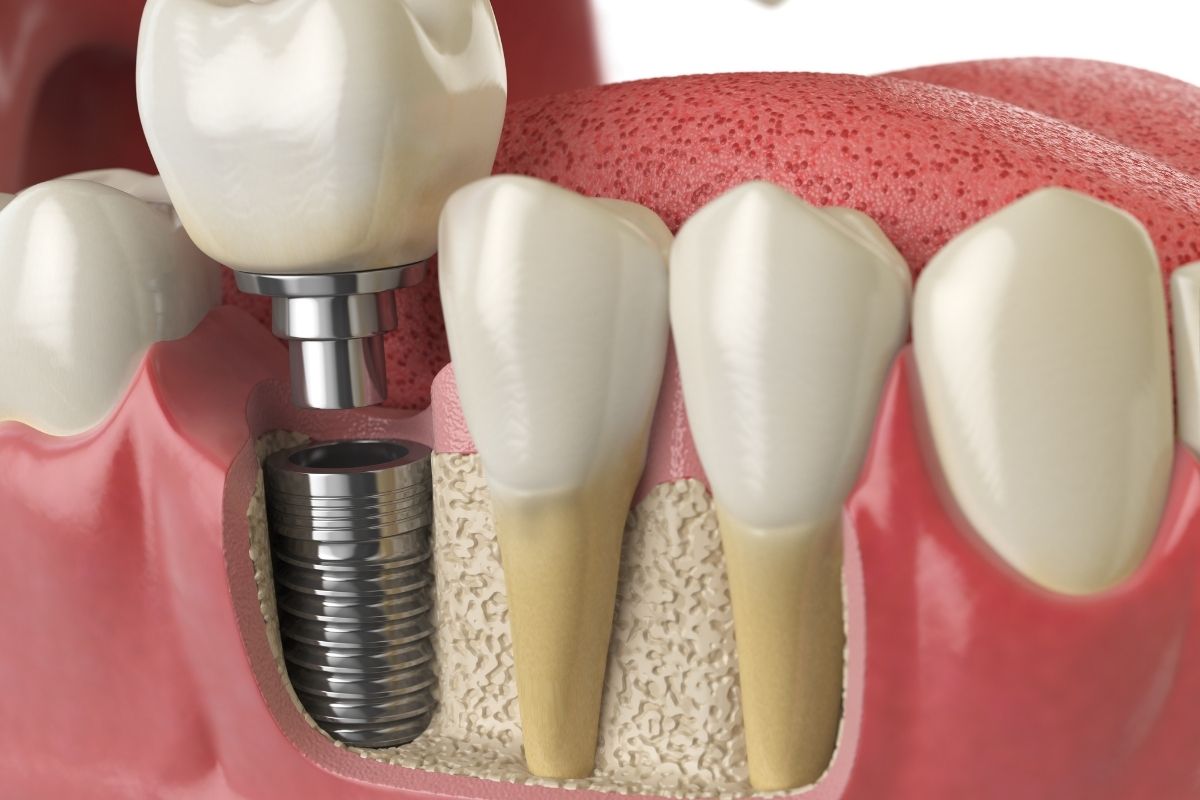
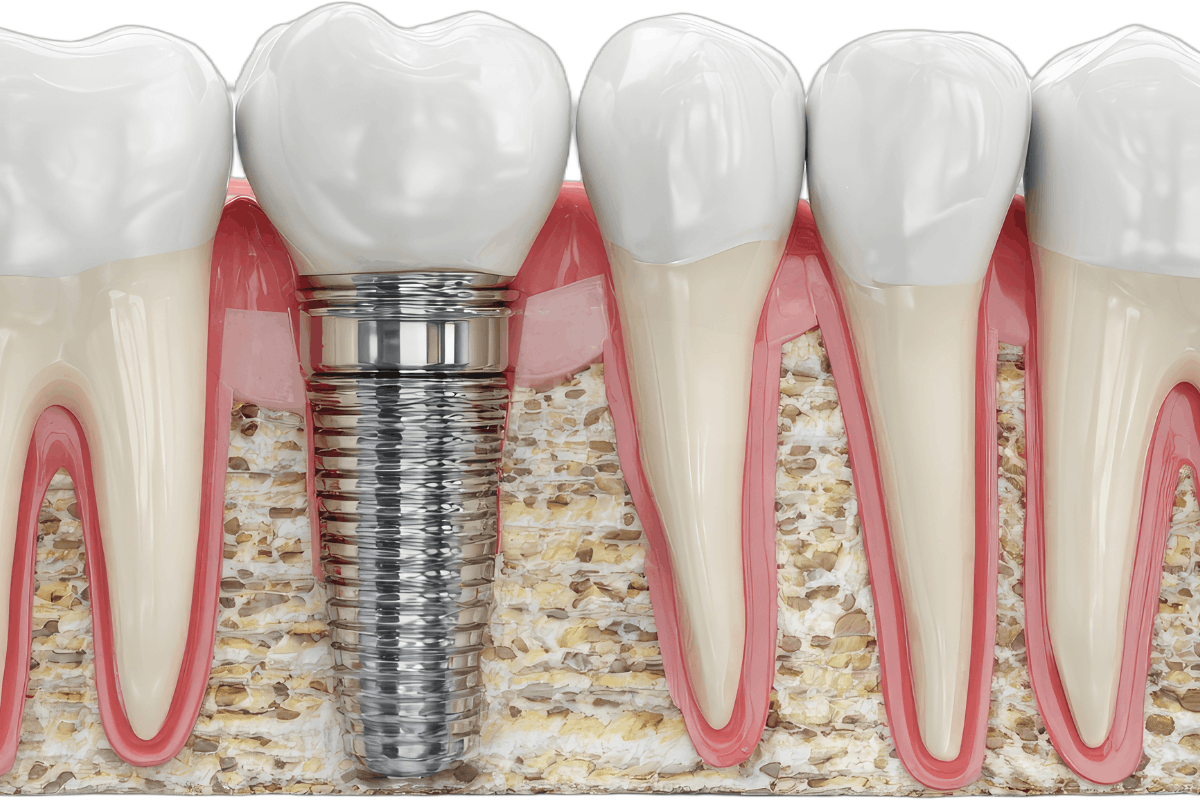
- Stands alone without affecting nearby teeth
- Supports jawbone health
- Designed for long-term use
For many patients, dental implants offer the most stable and lasting solution.
Dental Implant Procedure Explained
Just after this point, many families ask about the dental implant procedure and what it involves. At Parkway Smiles Dentistry, this process is explained step by step so patients feel comfortable and prepared, especially when treatment planning includes growing teens or young adults.
Although every case is unique, the general steps include:
- Detailed exam and imaging
- Careful placement of the implant post
- Healing time for bone integration
- Placement of the final crown
This approach supports long-term success while keeping patient comfort a priority.
Benefits of Dental Implants for Molars
Dental implants provide several advantages that make them ideal for replacing missing molars.
Strong Chewing Power
Because implants anchor directly into the jawbone, they can handle chewing pressure much like natural molars.
Bone Preservation
Dental implants stimulate the jawbone, which helps prevent bone shrinkage over time.
Natural Appearance
The crown is custom-made to blend with your smile, so it looks natural from every angle.
Long-Term Value
With proper care, dental implants can last for decades, making them a smart investment.
Are Dental Implants Right for Everyone?
While dental implants work well for many people, they are not a one-size-fits-all solution. A full evaluation helps determine candidacy.
You may be a good candidate if you:
- Have healthy gums
- Have enough jawbone to qualify for bone support treatment
- Maintain good oral hygiene habits
Age alone does not limit eligibility. Many adults and even older teens benefit from dental implants when recommended by a trained dentist.
Recovery and Daily Life After Treatment
Recovery after implant placement is usually manageable. Most patients return to their daily activities within a short time.
Helpful recovery tips include:
- Eating soft foods at first
- Following cleaning instructions carefully
- Attending follow-up visits
As healing progresses, chewing comfort improves steadily. Soon, the implant will feel like a natural part of your smile.
Conclusion: Is a Dental Implant the Best Choice?
For many patients, the answer is yes. Dental implants offer strength, stability, and long-term health benefits that other options cannot match. They restore chewing power, protect the jawbone, and help maintain a confident smile.
If you are considering replacing a missing molar, now is a great time to take the next step. We encourage you to visit our dental office, ask questions, and schedule a personalized consultation. Booking an appointment allows you to explore whether dental implants are the right solution for your needs.
Frequently Asked Questions
How long do dental implants last?
With proper care, dental implants can last 20 years or longer. Good oral hygiene and regular dental checkups play an important role in their long-term success.
Is the implant placement painful?
Most patients experience only mild discomfort during and after the procedure. Any soreness usually improves within a few days and can be managed with recommended aftercare.
Can dental implants replace back teeth?
Yes, dental implants are especially effective for replacing molars. They provide strong chewing support and function much like natural back teeth.
How long does the full process take?
The full treatment timeline varies based on individual needs and healing time. In many cases, the process takes several months from implant placement to final crown.
Are dental implants safe?
Dental implants have been used successfully for decades and have a high success rate. When placed by a trained professional, they are considered a safe and reliable option.
How do I care for a dental implant?
Caring for a dental implant is similar to caring for natural teeth. Daily brushing, flossing, and routine dental visits help keep the implant healthy and secure.