12701 Marblestone Dr #260, Woodbridge, VA 22192

What Happens If I Get A Cavity During Invisalign?


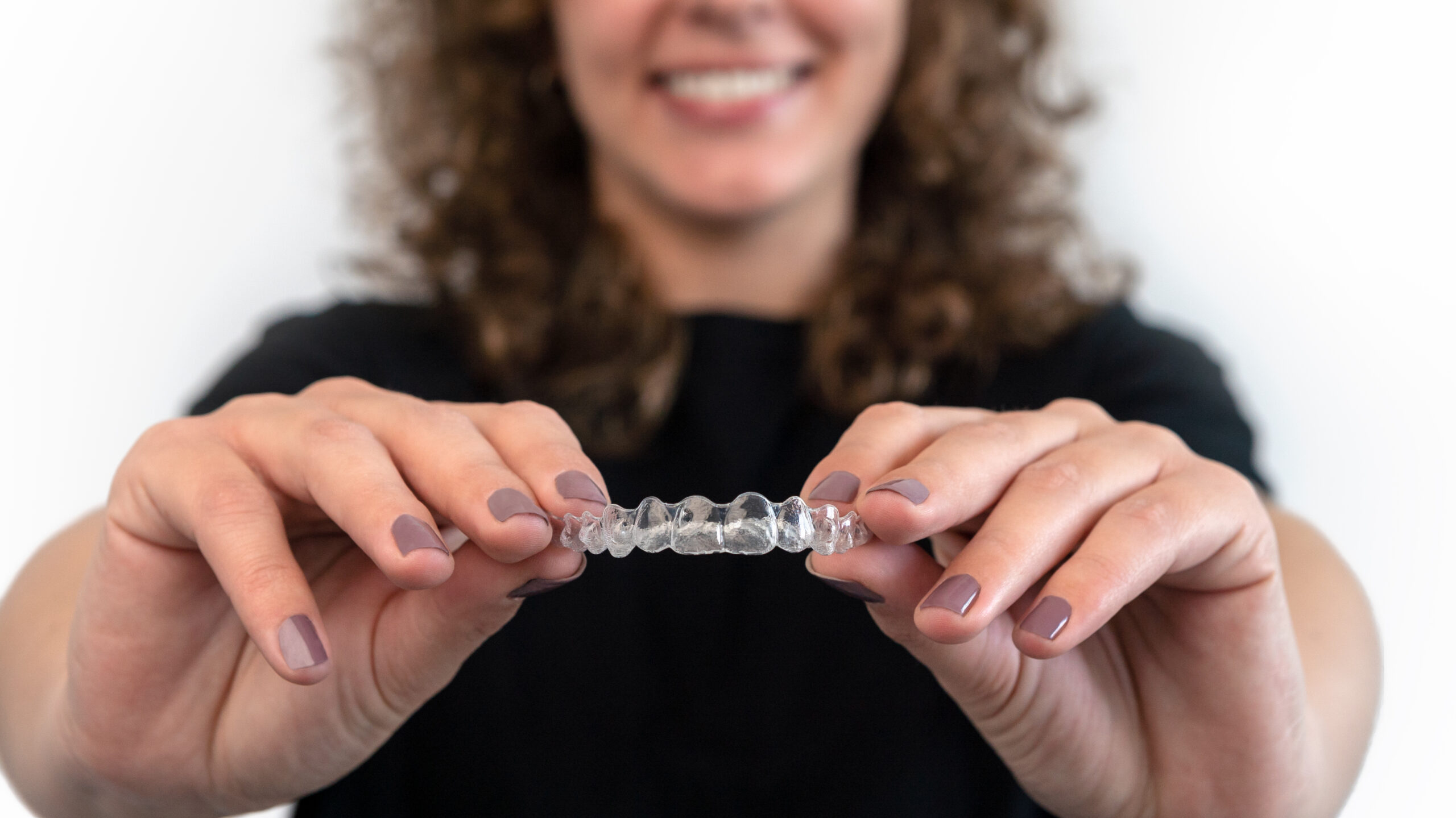
Straightening your teeth with Invisalign is an exciting journey toward a healthier smile, but what if a cavity pops up along the way? It’s not uncommon to wonder how cavities could affect your Invisalign and whether they can cause delays. If you’re wearing clear aligners, it’s essential to stay on top of your oral hygiene to avoid complications. In this blog, we’ll explain what you should do if you develop a cavity during invisible braces treatment and how it can impact your results.
Meet Dr. Su-En Thlick – Your Trusted Orthodontist

Dr. Su-En Thlick is dedicated to providing top-tier orthodontic care at Parkway Smiles Dentistry in Woodbridge. With years of experience, Dr. Thlick is passionate about helping her patients achieve the smiles they deserve, offering compassionate and professional care. Whether you’re undergoing modern teeth straightening therapy or require general dental care, you can count on Dr. Thlick. Her team will provide personalized guidance and treatment plans that cater to your specific needs.
At Parkway Smiles Dentistry, Dr. Thlick focuses on achieving beautiful results while maintaining your oral health. She has helped numerous patients achieve their smile goals, and she’s ready to help you, too.
How Do Cavities Develop During Invisalign?
Even though Invisalign is removable, that doesn’t mean they automatically protect your teeth from cavities. If you fail to brush and floss regularly, bacteria and food particles can become trapped between your aligners and teeth, increasing the risk of cavities. It’s important to remove your trays while eating or drinking sugary beverages. You must also clean your teeth thoroughly before placing them back in your mouth.
What Happens After You Get A Cavity Before The Treatment Starts?
If you find that you have a cavity during Invisalign treatment, don’t panic. Here’s what to expect:
- Visit our dental office: A dentist in Woodbridge will assess the cavity and may need to fill it.
- Temporary break from aligners: Depending on the severity of the cavity, your dentist may recommend temporarily stopping aligner treatment while the cavity is treated.
- Adjust aligners as necessary: Once your cavity is treated, your dentist will determine if any adjustments are needed to continue with your alignment procedure.
How to Prevent Cavities While Using Removable Braces?
The key to avoiding cavities during invisible braces is to maintain excellent oral care. Here are some tips to keep your teeth healthy throughout your treatment:
- Brush your teeth after every meal to avoid food particles and plaque buildup that could lead to cavities.
- Floss daily to remove debris between your teeth and gums that your toothbrush might miss.
- Rinse your aligners regularly with lukewarm water to prevent bacteria buildup.
In Woodbridge, where outdoor activities are part of everyday life, like visiting the Potomac Mills Mall or attending community festivals, it’s easy to let busy schedules interfere with dental routines. However, staying committed to oral hygiene helps ensure your treatment remains effective and free of unwanted teeth issues.
What Happens If You Don’t Treat Cavity During Teeth Alignment?
Failing to treat a cavity during teeth straightening can lead to tooth decay that spreads and potentially compromises your oral health. If left untreated, it can reach the tooth’s pulp, leading to more severe problems like abscesses. In some cases, untreated dental caries may even affect the effectiveness of your aligners, as the tooth could shift or become misaligned.
Additionally, without evaluation can result in further damage to the surrounding teeth. So it’s crucial to address any oral concerns before you begin therapy. If you suspect something is wrong, don’t hesitate to visit our dentist near Woodbridge for a thorough examination.
The Importance Of Regular Checkups For The Best Outcomes
Regular checkups with a local dentist while undergoing an Invisalign procedure are essential. Even though the trays are removable, routine visits ensure your teeth are moving correctly and allow your dentist to check for any issues. Your dentist will monitor your progress, ensure your teeth are shifting as planned, and address any potential problems early. Regular visits also allow your dentist to professionally clean your teeth, which is crucial for preventing plaque buildup.
Foods To Eat And Avoid During The Alignment Therapy
When undergoing a dental alignment procedure, the foods you eat can significantly impact your progress. To ensure a smooth journey and protect your aligners, here’s what you should enjoy and what to avoid.
Foods To Avoid
Certain foods can damage your aligners or contribute to tooth problems:
- Sticky Foods (e.g., caramels, chewing gum): Can get stuck and cause plaque buildup, increasing the risk of dental caries.
- Hard Foods (e.g., ice, hard candy): May crack your aligners or put unnecessary pressure on your teeth.
- Sugary and Acidic Foods (e.g., soda, citrus): These can lead to decay and enamel damage.
- Staining Foods (e.g., coffee, berries): Can stain both teeth and aligners.
- Chewy or Stringy Foods (e.g., bagels, pasta): May get stuck in your aligners, leading to discomfort and cleaning issues.
Foods To Enjoy
Here are some excellent food choices that are gentle on your aligners:
- Soft Foods (e.g., yogurt, soups): Ideal for avoiding pressure on your teeth and aligners.
- Fresh Fruit (e.g., bananas, melons): Easy to eat without harming your aligners.
- Lean Proteins (e.g., chicken, tofu): Soft and nutritious, supporting overall oral health.
- Cheese and Dairy (e.g., cheese, milk): Great for tooth strength, while being safe for your aligners.
- Cooked Vegetables (e.g., steamed carrots, spinach): Nutritious and gentle on your aligners.
Maintain Your Smile With Trusted Care Near You
Caring for your teeth during your treatment of Invisalign in Woodbridge is crucial to achieving optimal results. If you develop a cavity, it’s important to get it treated immediately to avoid further complications. With the right care and attention, you can enjoy a beautiful, healthy smile.
If you have concerns or questions about your treatment, book an appointment with Parkway Smiles Dentistry today. Our team is here to help you achieve the smile you’ve always dreamed of!
Frequently Asked Questions
Can I still get a cavity while wearing Invisalign?
Yes, you can still develop cavities during Invisalign treatment if you don’t maintain proper oral hygiene. Regular brushing and flossing are essential to prevent plaque buildup and tooth decay.
How long does it take to fix a cavity while wearing removal braces?
It usually takes one appointment to treat a cavity, though the time required depends on the extent of the decay. Your dentist may adjust your aligners temporarily during the procedure.
Can I eat with Invisalign in?
You should remove your trays before eating or drinking anything other than water. This prevents food from getting trapped between the aligners and your teeth, reducing the risk of cavities.
How often should I visit the dentist while wearing invisible braces?
You should visit your dentist every 6 to 8 weeks during your treatment to monitor your progress and make necessary adjustments. These visits ensure your treatment is progressing as planned.
What if I notice a loose or damaged aligner?
If your aligner becomes loose or damaged, contact your dentist immediately. They will provide you with instructions on what to do next and, if necessary, create a replacement aligner.