12701 Marblestone Dr #260, Woodbridge, VA 22192

Can you really get dental implants in one day?


If you’ve been told that getting dental implants in Woodbridge can take months, you’re not alone in wondering if there’s a faster option. Many patients ask whether the entire dental implant procedure can be completed in just one visit.
The idea of multiple appointments and long healing times can feel overwhelming. Between work, family, and daily responsibilities, most people want a quicker, more convenient solution.
The good news? In some cases, same-day dental implants are possible—but it depends on your individual dental health.
Quick Answer: Can It Be Done in One Day?
Yes, dental implants can sometimes be done in one day—but not for everyone.
Same-day implants allow a dentist near Woodbridge to place the implant immediately after tooth extraction. However, eligibility depends on bone health, absence of infection, and overall oral condition.
What Are Same-Day Dental Implants?
Same-day dental implants are a streamlined version of the traditional dental implant procedure.
Here’s how they work:
- The damaged tooth is removed (if needed)
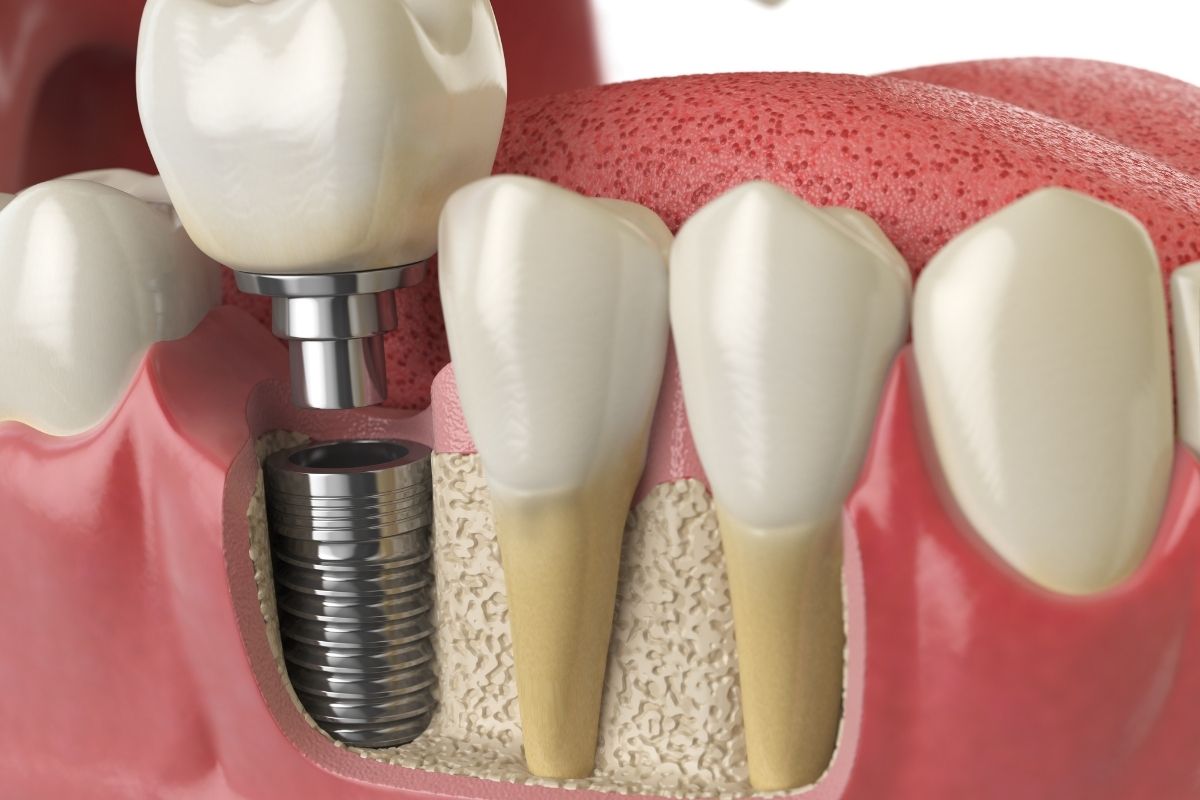
- The implant is placed immediately into the jawbone
- A temporary crown may be added the same day
This approach reduces the waiting period between extraction and implant placement.
Instead of waiting months, patients can begin restoring their smile much faster.
Who Is a Good Candidate for Same-Day Implants?
Not everyone qualifies for same-day implants. A proper evaluation by a dentist near Woodbridge is essential.
You may be a good candidate if:
- You have healthy jawbone density
- There is no active infection
- Your gums are in good condition
- You maintain good oral hygiene
Patients with strong bone support tend to have the best outcomes with faster procedures.
When Same-Day Implants Are NOT Recommended
In some cases, delaying the implant is the safer option.
Same-day implants may not be suitable if:
- There is significant bone loss
- An infection is present
- The case is complex or involves multiple teeth
In such situations, your dentist may recommend bone grafting or a staged approach for better long-term success.
Step-by-Step Dental Implant Procedure Timeline
Understanding the dental implant procedure time helps set the right expectations.
Typical process includes:
1. Consultation
- Examination, X-rays, and treatment planning
2. Tooth Extraction (if required)
- Removal of the damaged or missing tooth
3. Implant Placement
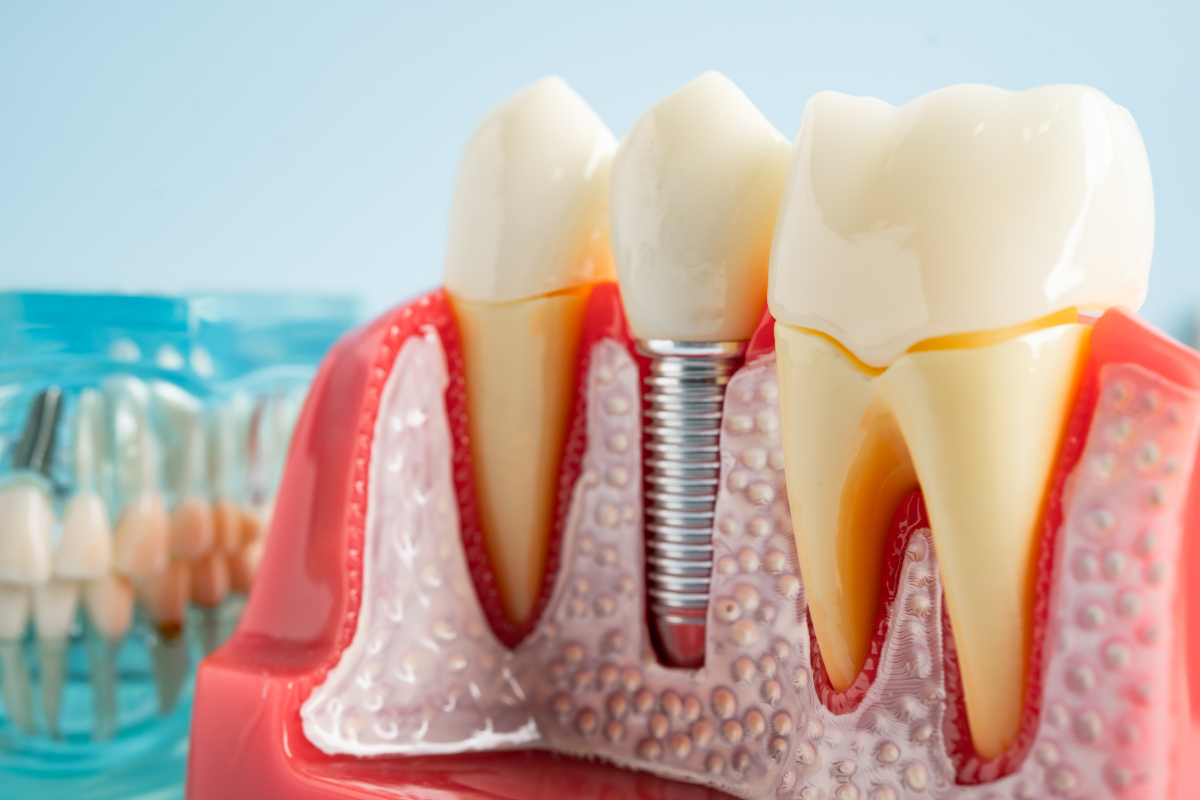
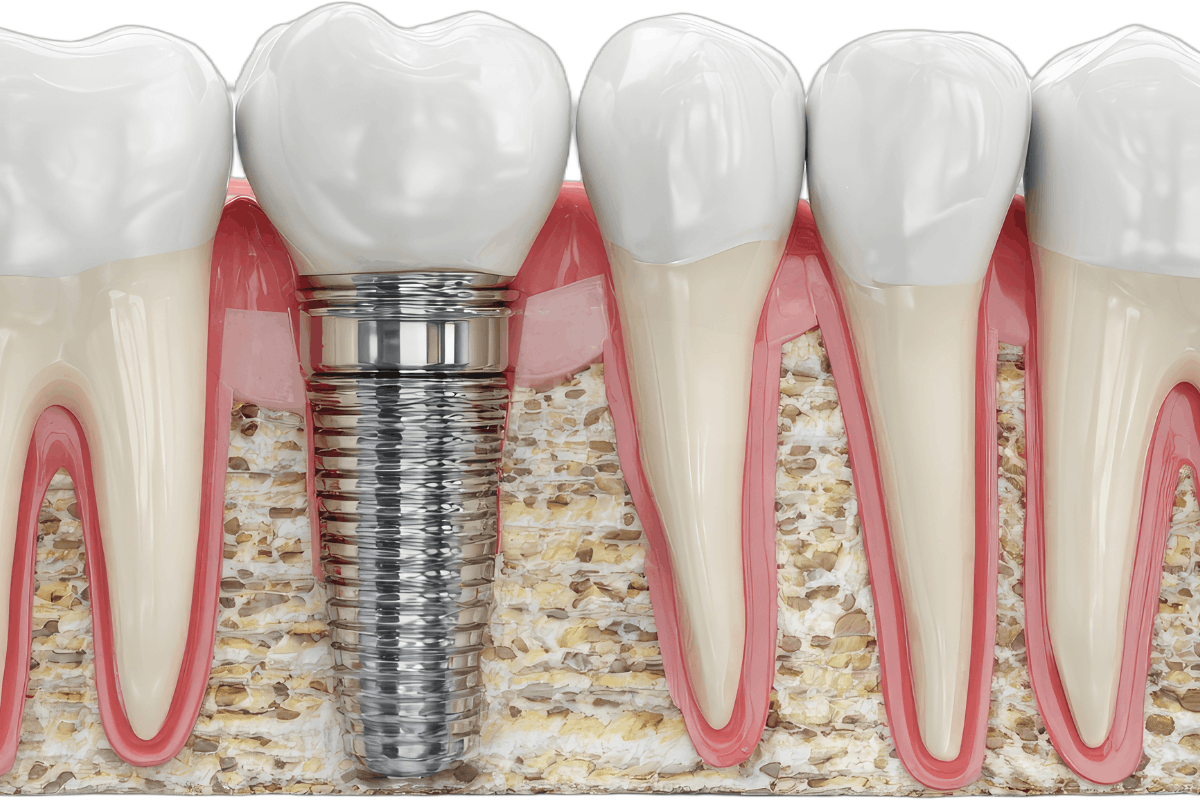
- Titanium implant is placed into the jawbone
4. Healing Phase
- Bone integrates with the implant (osseointegration)
Even with same-day implants, healing still takes time—but the number of appointments can be reduced.
Benefits of Same-Day Dental Implants
Patients often choose same-day implants for convenience and faster results.
Key benefits include:
- Fewer dental visits
- Faster smile restoration
- Reduced treatment timeline
- Immediate improvement in appearance
For many patients in Woodbridge, this option fits better into busy schedules and reduces overall downtime.
Healing & Recovery Expectations
Even with a faster procedure, healing is still an important part of the process.
What to expect:
- Mild discomfort for a few days
- Soft diet during initial healing
- Follow-up visits to monitor progress
The full healing process varies depending on your body and bone condition.
Your dentist near Woodbridge will guide you through every step to ensure proper recovery.
Local Insight: Dental Implants in Woodbridge
Patients in Woodbridge often ask if they can avoid long waiting periods when replacing missing teeth.
Whether you’re balancing work or family life, convenience matters. That’s why many people explore same day dental implants as a faster alternative.
Choosing dental implants in Woodbridge allows you to access modern treatment options designed for both efficiency and long-term success.
Risks & Important Considerations
While same-day implants are convenient, they may carry slightly higher risks in certain cases.
Important factors include:
- Proper case selection is critical
- Healing success depends on bone stability
- Following aftercare instructions is essential
A professional evaluation ensures the safest and most effective treatment plan.
Frequently Asked Questions
Can dental implants really be done in one day?
Yes, in some cases dental implants can be placed on the same day as tooth extraction. However, not everyone is a suitable candidate for this approach. Your dentist will evaluate your bone health, gum condition, and overall oral health before recommending same-day implants. In many cases, a traditional staged process may still be the safer option.
Are same-day dental implants safe?
Same-day dental implants are generally safe when performed on the right candidates. The success of the procedure depends on factors like bone density and the absence of infection. When done correctly by an experienced dentist, they can provide reliable and long-lasting results. However, careful evaluation is essential to minimize risks.
How long does a dental implant procedure take?
The actual implant placement usually takes about 30 to 60 minutes for a single implant. If multiple implants are involved, it may take a few hours. While the procedure itself is relatively quick, the full treatment process—including healing—can take several months. Same-day implants reduce visits but still require proper healing time.
Do I need a bone graft before dental implants?
Not always, but it depends on your jawbone condition. If there isn’t enough bone to support the implant, a bone graft may be required before placement. This helps create a stable foundation for long-term success. Your dentist will determine this through imaging and examination.
Is getting a same-day dental implant painful?
Most patients experience minimal discomfort during the procedure due to local anesthesia or sedation options. After the procedure, mild soreness or swelling is normal for a few days. Pain is usually manageable with medication and proper care. Many patients find it easier than expected.
How long is the recovery after same-day dental implants?
Initial recovery typically takes a few days to a week, during which you may need to follow a soft diet. However, full healing and integration of the implant with the bone can take a few months. Regular follow-ups ensure everything is progressing correctly. Recovery time varies based on individual health and treatment complexity.