12701 Marblestone Dr #260, Woodbridge, VA 22192

What Happens When You Wait Too Long for Dental Implants


Losing a tooth feels like a small thing at first. But what happens in your mouth over the months and years that follow is anything but small. If you have been putting off dental implants, this post is for you.
A missing tooth is more than a gap in your smile. It sets off a chain of changes in your jaw, your bite, and your overall oral health. Many people in Woodbridge and the surrounding areas wait months or even years before speaking with a dentist about replacing a missing tooth. By the time they do, the problems are often harder and more expensive to fix.
Understanding what happens when you delay treatment can help you make a clearer, more informed choice for your long-term health.
Your Jaw Starts to Change Right Away
When a natural tooth is in place, its root stimulates the jawbone every time you chew. This signal keeps the bone healthy and full. The moment that tooth is gone, the stimulation stops and the bone begins to shrink, a process called resorption.
Bone loss is not gradual in the way most people imagine. In the first year after tooth loss, you can lose up to 25% of the bone width in that area. After several years, the loss is significant enough to change the shape of your face, especially around your jaw and cheeks.
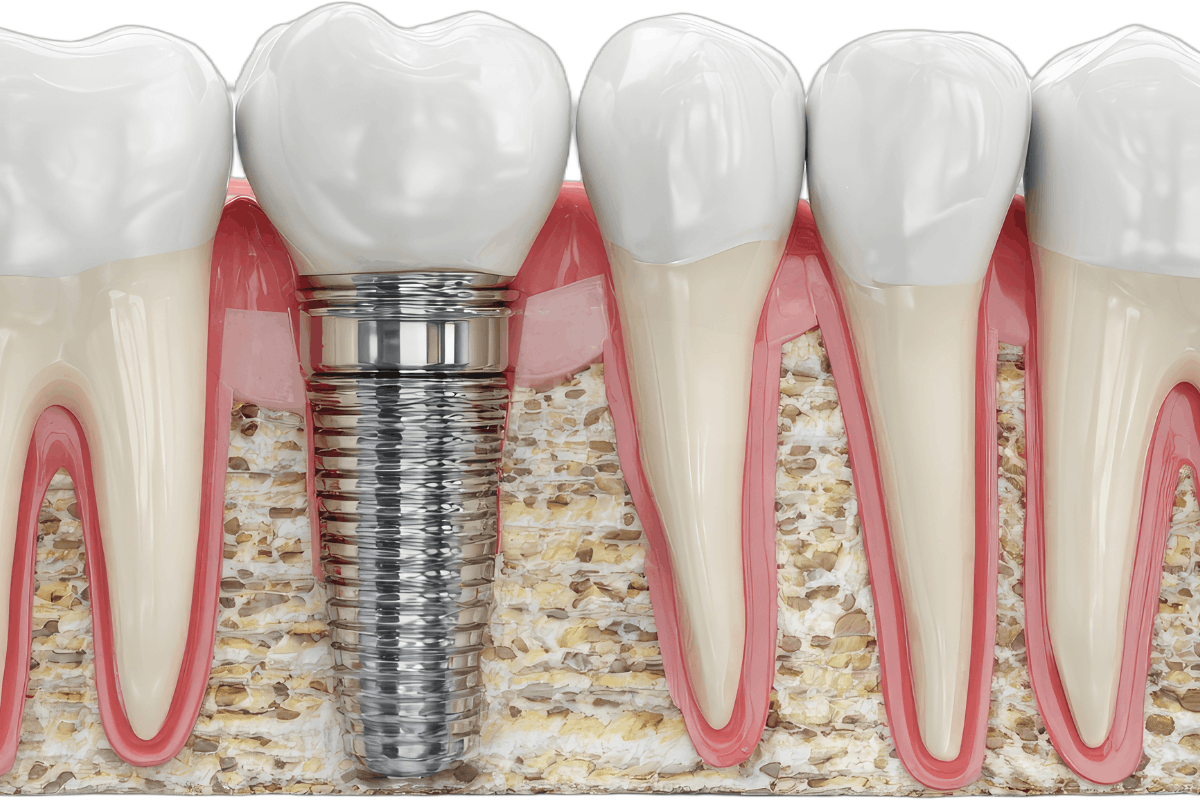
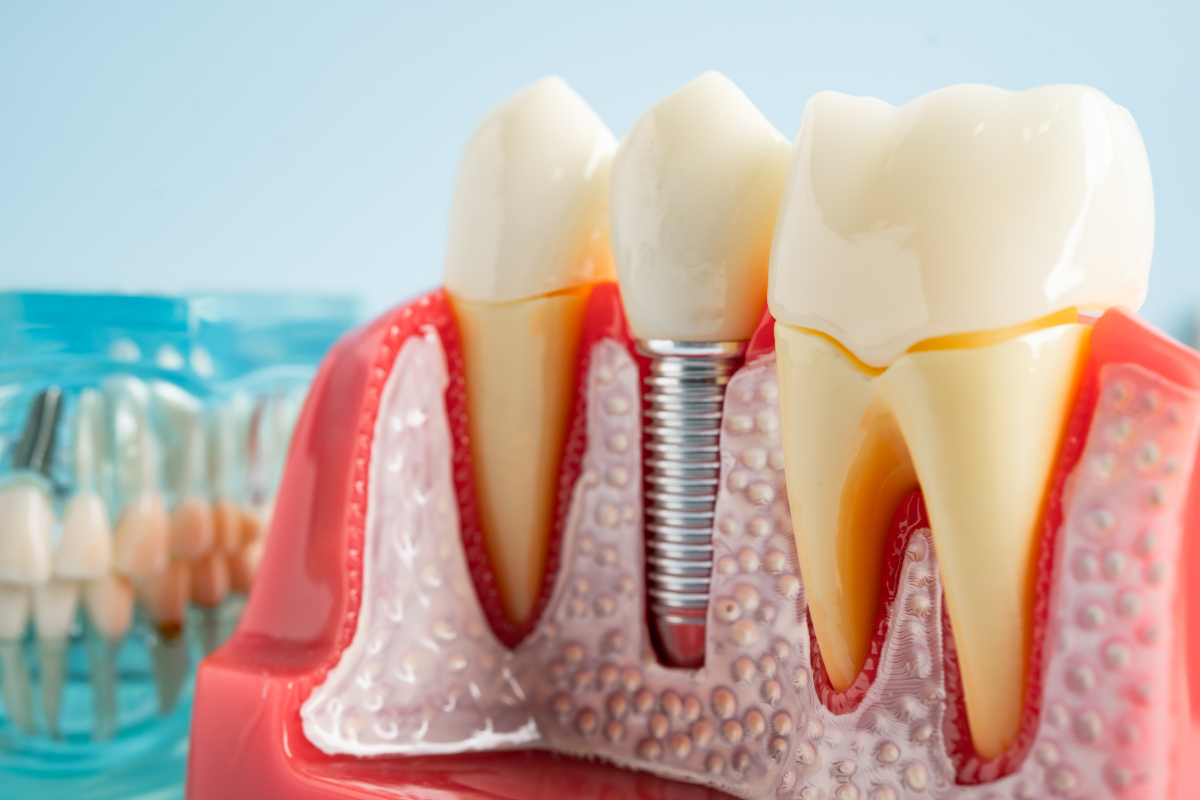
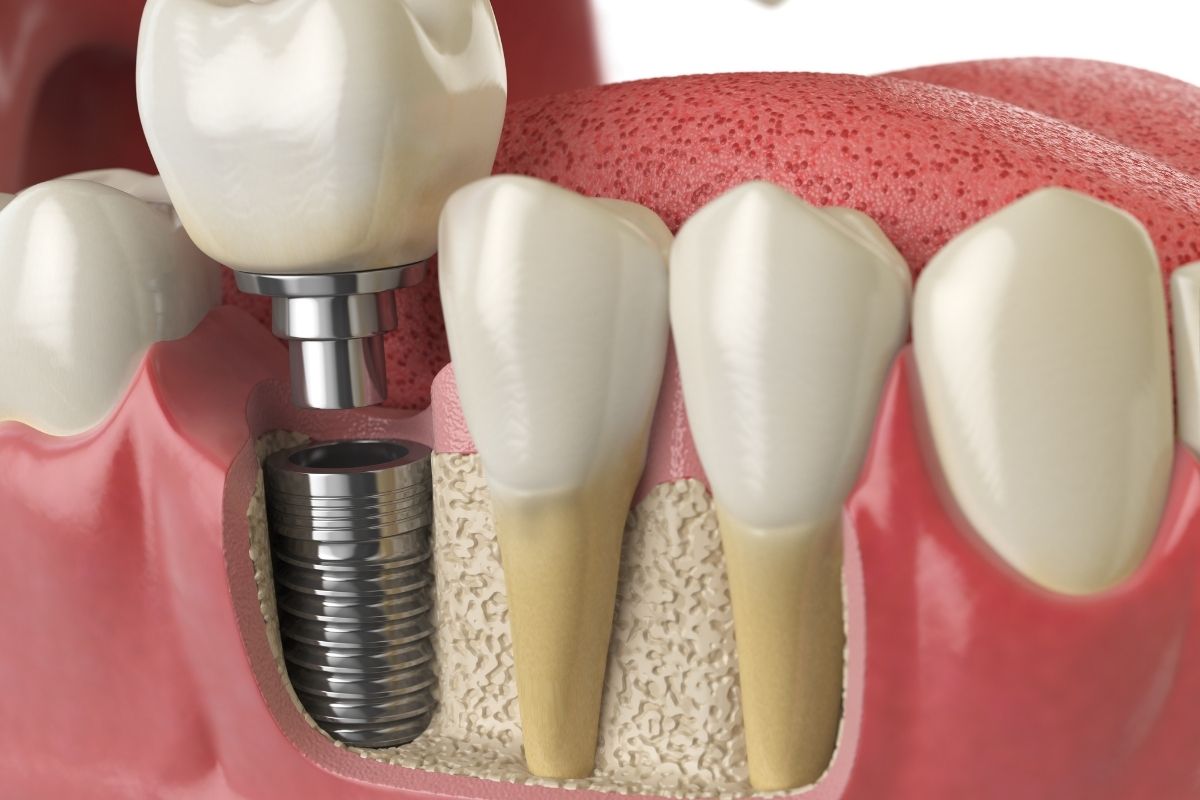
Dental implants work by acting as artificial tooth roots, which is exactly why they stop this process. A titanium post inserted into the jawbone mimics the stimulation that a natural root provides. Without that, no other tooth replacement option, including bridges or dentures, can prevent bone loss over time.
Neighboring Teeth Pay the Price
Shifting and drifting
Your teeth are designed to support each other. When one is missing, the teeth on either side slowly begin to tilt toward the gap. The teeth above or below the empty space may start to move downward or upward. Over time, this throws off your entire bite.
Increased wear and cracking
Misaligned teeth wear unevenly. You may begin to notice increased sensitivity, small chips, or cracks in teeth that were perfectly fine before. This type of damage compounds over time and can eventually lead to the need for crowns or additional extractions.
A single missing tooth can trigger a domino effect. What starts as one gap can become the reason several neighboring teeth need treatment years later.
The Effect on Your Gum Health
Empty spaces in the mouth collect bacteria more easily than areas where teeth are present. Food particles get trapped, and without a tooth or implant to fill the gap, the gum tissue in that area can become inflamed over time.
Gum disease (periodontitis) can develop or worsen around an untreated gap. Left unchecked, it spreads to surrounding teeth and can eventually lead to more tooth loss, creating a cycle that becomes harder to break without significant dental care.
Why Waiting Makes Implant Treatment Harder
The single biggest consequence of waiting is bone loss. When your dentist evaluates you for dental implants, one of the most important factors is whether there is enough bone to support the implant post. If you have waited too long and the bone has deteriorated significantly, you may need a bone graft before any implant work can begin.
Bone grafting adds time, cost, and recovery to the overall treatment process. It is not a barrier to getting implants, but it is something that could have been avoided with earlier action. This is why most dentists recommend addressing tooth loss sooner rather than later.
How It Affects Daily Life
Beyond the clinical changes, a missing tooth affects how you eat, how you speak, and how you feel about yourself. People with gaps in their smile often adjust their chewing to favor one side of the mouth, which puts excessive strain on those teeth and their joints. Over years, this can cause jaw pain and headaches.
Confidence takes a hit too. Many patients who come to Parkway Smiles Dentistry share that they had been avoiding social situations, photos, or smiling in public because of their missing tooth. These are real, everyday consequences that are easy to overlook when you are focused only on whether the tooth hurts.
When Is the Right Time to Act?
The short answer is: as soon as possible after tooth loss. The ideal time for placing dental implants is before significant bone loss has occurred. For most patients, this means having a conversation with a dentist within a few months of losing a tooth.
That said, it is never too late to explore your options. Many patients come in years after tooth loss and are still good candidates for implants, sometimes with bone grafting support. The key is to get an evaluation so you know where you stand.
If you are based in Woodbridge, access to quality implant care is close by. Parkway Smiles Dentistry provides thorough consultations to help patients understand their bone health, their options, and what timeline works best for them.
A Word on General Oral Health
Missing teeth are not just a cosmetic issue or a chewing problem. They are a signal that your overall oral health needs attention. Patients who address tooth loss promptly tend to have better outcomes not just for the implant itself, but for the health of surrounding teeth, gum tissue, and bone for years to come.
Regular checkups with your dentist are also part of staying ahead of these issues. Catching early bone changes or gum inflammation before they become severe is far easier than treating them after the fact.