12701 Marblestone Dr #260, Woodbridge, VA 22192
Can Smokers Get Dental Implants? Risks and Success Tips



Losing a tooth can affect more than just your smile—it can impact your ability to chew comfortably, speak clearly, and maintain good oral health. Dental implants are considered one of the most reliable solutions for replacing missing teeth because they look, feel, and function like natural teeth. However, many smokers wonder whether they’re still candidates for this treatment.
The short answer is yes, smokers can often get dental implants. However, smoking increases the risk of complications before, during, and after the implant healing process. Understanding these risks and taking steps to reduce them can significantly improve your chances of long-term implant success.
At Parkway Smiles Dentistry, every dental implant treatment plan is customized based on a patient’s oral health, medical history, and lifestyle. If you smoke, your dentist will carefully evaluate your condition and discuss ways to maximize your treatment outcome.
How Dental Implants Work
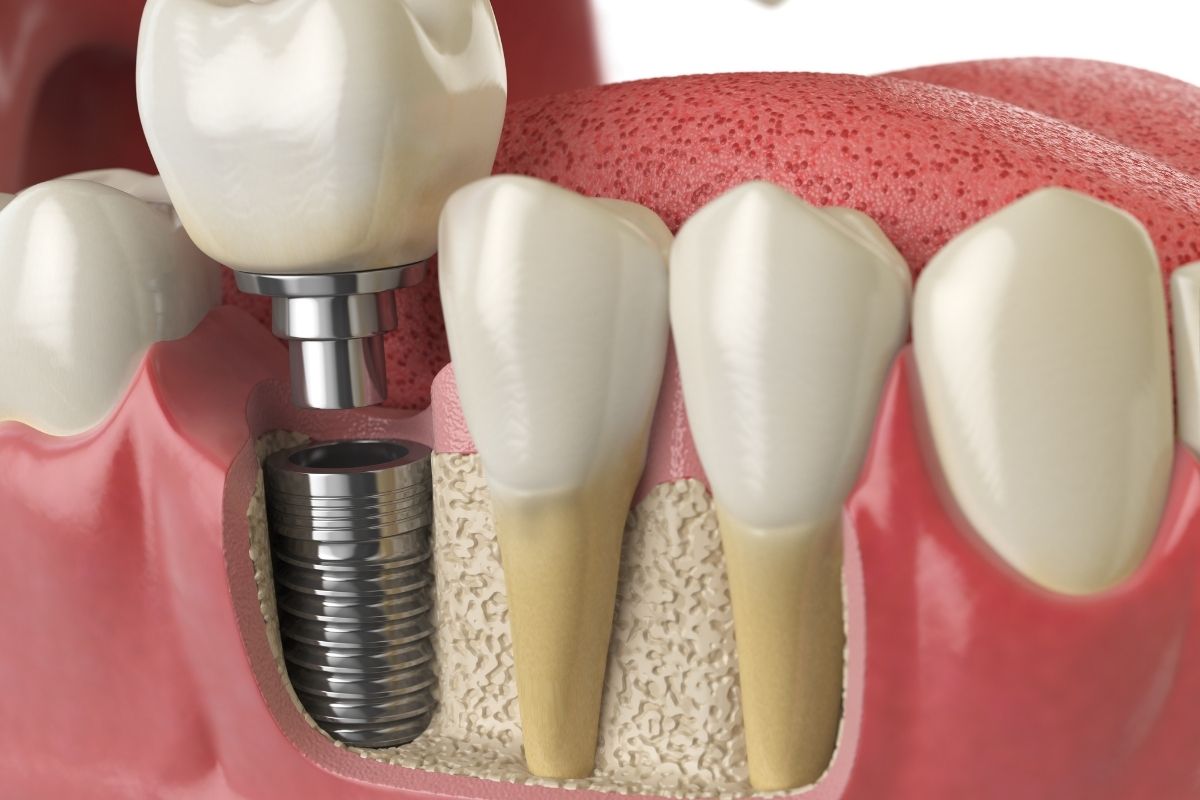
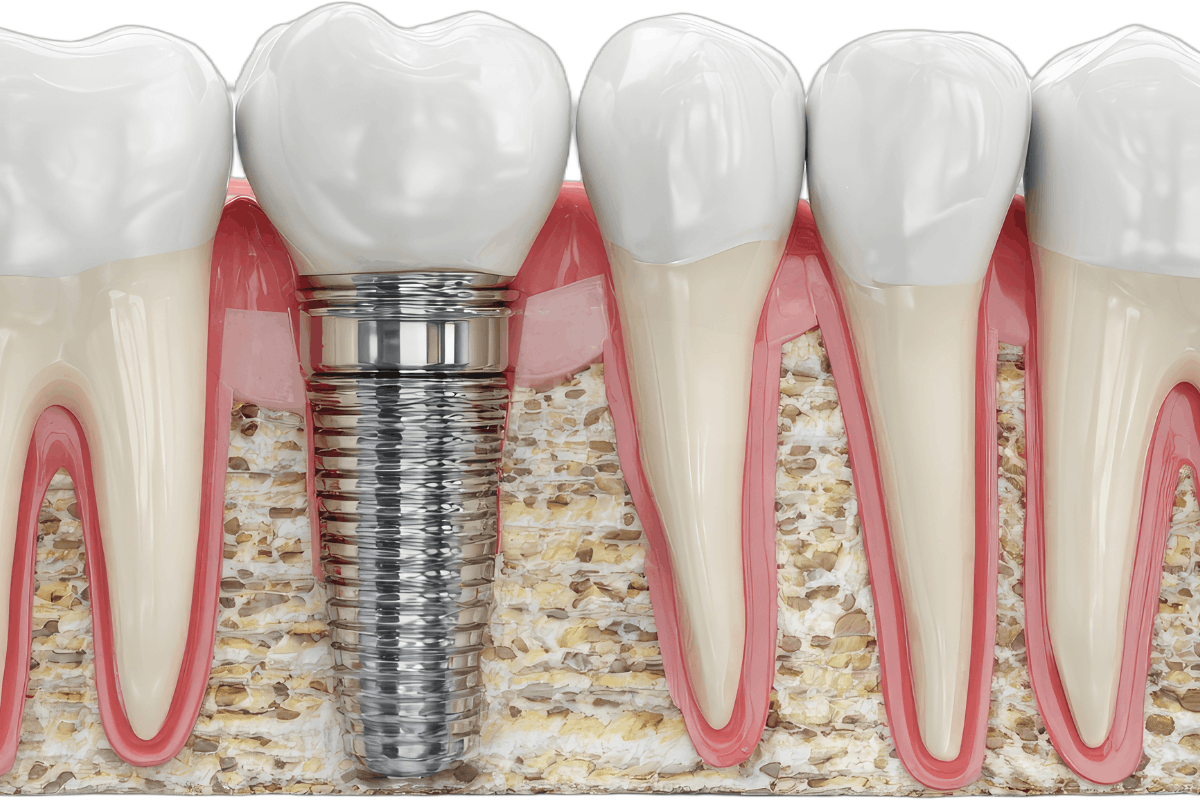
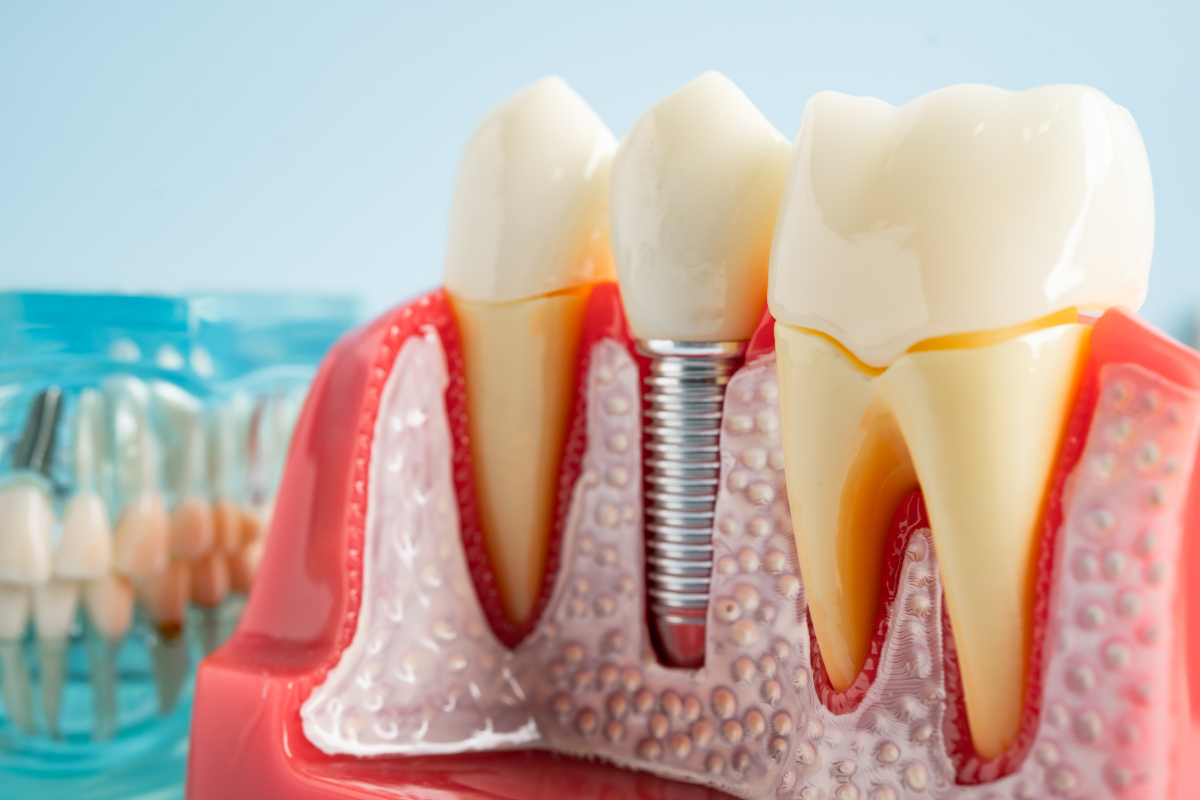
A dental implant is a small titanium post that is surgically placed into the jawbone to replace the root of a missing tooth. Over time, the implant fuses with the surrounding bone through a natural process called osseointegration.
Once healing is complete, a custom dental restoration is attached to the implant, restoring both the appearance and function of your smile.
For dental implants to be successful, healthy gums and sufficient jawbone support are essential. The healing period is one of the most critical stages of treatment, which is why smoking can have a significant impact.
How Smoking Affects Dental Implant Success
Smoking doesn’t automatically prevent someone from receiving dental implants, but it can interfere with the body’s natural healing process.
Nicotine and other chemicals found in tobacco may:
- Reduce blood flow to the gums
- Slow tissue healing
- Decrease oxygen delivery to surgical sites
- Increase inflammation
- Raise the risk of infection
- Affect bone healing around the implant
Because dental implants rely on proper healing and bone integration, these factors can increase the likelihood of implant complications.
Risks Smokers Should Know
Although many smokers have successful dental implant treatment, understanding the potential risks helps patients make informed decisions.
Slower Healing
Healthy blood circulation is necessary for tissues to heal after oral surgery. Smoking restricts blood vessels, reducing the nutrients and oxygen that support recovery.
As a result, smokers may experience:
- Longer healing times
- Increased swelling
- Delayed gum tissue recovery
- Greater post-operative discomfort
Following your dentist’s post-operative instructions becomes even more important during this period.
Higher Risk of Implant Failure
One of the biggest concerns for smokers is implant failure.
If the implant does not successfully integrate with the jawbone during healing, it may become loose or fail to support the final restoration.
Several factors influence implant success, including:
- Overall health
- Bone quality
- Oral hygiene
- Smoking habits
- Following post-surgical instructions
Smoking is considered one of several risk factors—not the only one.
Increased Risk of Gum Disease
Smoking is a known contributor to periodontal (gum) disease, which can damage the tissues supporting natural teeth and dental implants.
Healthy gums are essential for maintaining implant stability over time.
Without proper care, inflammation around an implant may progress to peri-implant disease, potentially threatening the long-term success of the restoration.
Can Smokers Still Be Good Candidates?
Yes. Many smokers successfully receive dental implants every year.
Your dentist will evaluate several factors before recommending treatment, including:
- The condition of your gums
- Bone density
- Number of missing teeth
- Overall oral health
- Medical history
- Tobacco use habits
In some cases, additional procedures such as bone grafting may be recommended to improve the foundation for implant placement.
A comprehensive examination, including advanced imaging like CBCT scans, helps determine whether dental implants are an appropriate option.
Tips to Improve Dental Implant Success for Smokers
While quitting smoking offers the greatest health benefits, patients who are unable to quit completely can still take steps to improve their chances of successful treatment.
Stop Smoking Before Surgery
Even temporarily avoiding tobacco before implant surgery may help improve blood circulation and support early healing.
Your dentist may recommend stopping smoking for a period before your procedure and continuing to avoid tobacco during the initial healing phase.
Following these recommendations can reduce the risk of complications.
Avoid Smoking During Healing
The first several weeks after implant placement are especially important.
Smoking during this period may interfere with osseointegration, increasing the likelihood of delayed healing or implant failure.
The longer you avoid tobacco during recovery, the better your body can heal.
Practice Excellent Oral Hygiene
Keeping your mouth clean helps reduce bacteria that can contribute to infection and inflammation.
Good daily habits include:
- Brushing twice a day
- Flossing daily
- Cleaning around the implant as instructed
- Using recommended oral hygiene products
Maintaining healthy gums is essential for protecting both natural teeth and implants.
Attend Every Follow-Up Appointment
Routine follow-up visits allow your dentist to monitor healing and identify potential problems before they become serious.
Regular examinations help ensure:
- Proper healing
- Healthy gum tissue
- Stable implant integration
- Early detection of complications
Keeping scheduled appointments plays an important role in long-term implant success.
Manage Other Health Conditions
Certain medical conditions, including uncontrolled diabetes, can also affect healing after dental implant surgery.
Managing your overall health, taking medications as directed, and discussing your complete medical history with your dentist can improve treatment outcomes.
Why Choosing an Experienced Dental Team Matters
Dental implant treatment requires careful planning, precise placement, and ongoing monitoring throughout the healing process.
At Parkway Smiles Dentistry, patients benefit from advanced diagnostic technology, including digital X-rays and CBCT imaging, to evaluate bone structure and develop personalized treatment plans.
Every patient’s needs are different. Rather than using a one-size-fits-all approach, our team carefully assesses individual risk factors, including smoking, to recommend the most appropriate treatment options.
Frequently Asked Questions
Will my dentist refuse dental implants if I smoke?
Not necessarily. Smoking increases certain risks, but many smokers are still candidates for dental implants after a thorough evaluation. Your dentist will discuss your oral health, lifestyle, and treatment goals before making a recommendation.
Do I have to quit smoking permanently?
While permanently quitting smoking benefits both your oral and overall health, your dentist may recommend avoiding tobacco before surgery and throughout the healing period to improve implant success.
How long do dental implants last for smokers?
The lifespan of dental implants varies from patient to patient. Factors such as oral hygiene, routine dental care, overall health, and smoking habits all influence long-term success.
Restore Your Smile with Personalized Dental Implant Care
Smoking doesn’t automatically rule out dental implants, but it does require careful planning and a commitment to supporting the healing process. By understanding the potential risks, following your dentist’s recommendations, and maintaining excellent oral hygiene, many smokers can enjoy successful, long-lasting implant results.
If you’re considering dental implants in Woodbridge, VA, schedule a consultation with Parkway Smiles Dentistry. Our team will evaluate your oral health, discuss your treatment options, and develop a personalized plan designed to help you achieve a healthy, functional, and confident smile.