12701 Marblestone Dr #260, Woodbridge, VA 22192

Protect Your Smile: What to Avoid After Cosmetic Dentistry


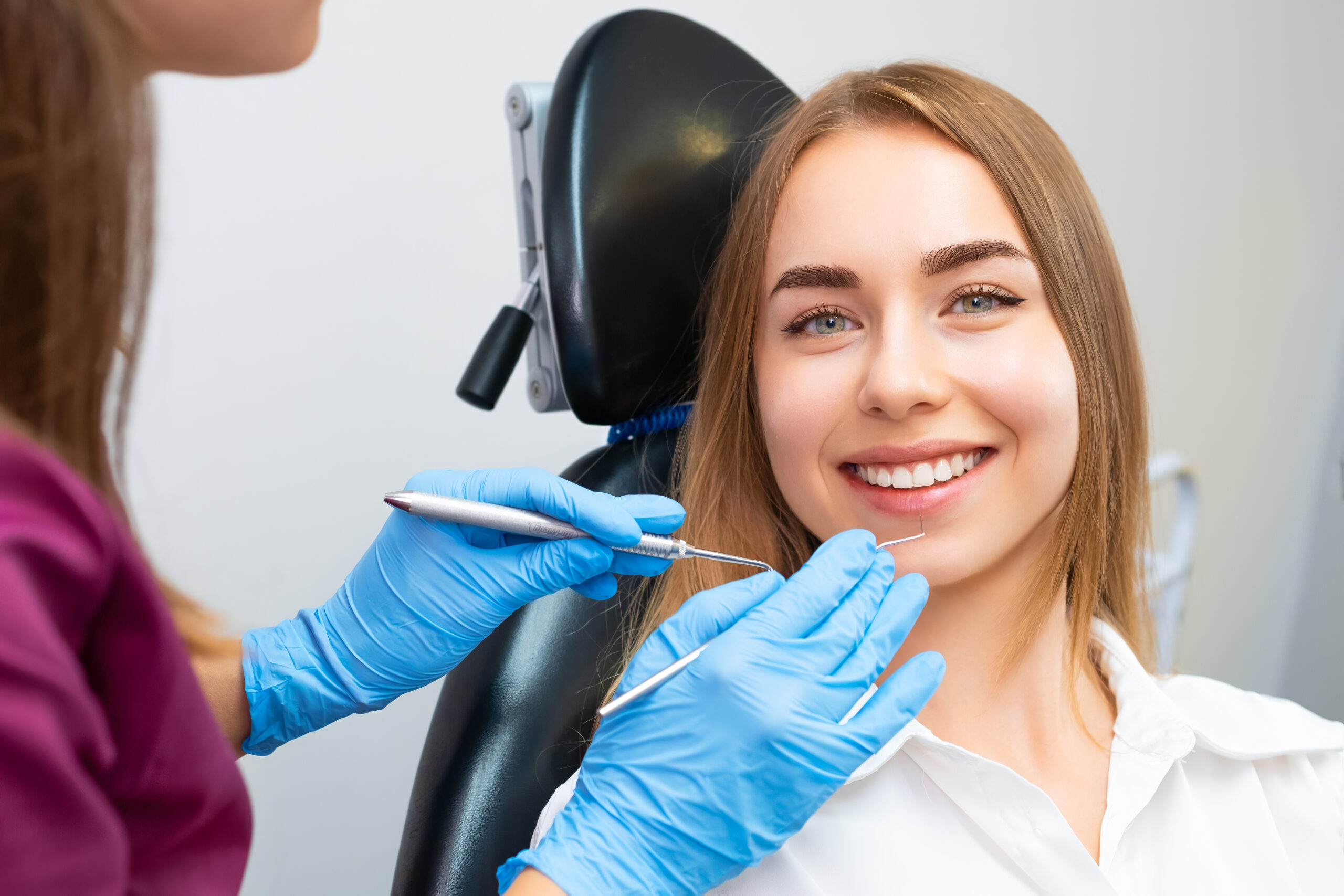
You invested time, money, and trust into your smile. Now the real work begins — protecting it. Knowing how to protect your smile after cosmetic dentistry in Woodbridge is just as important as the treatment itself. At Parkway Smiles Dentistry, Dr. Su En Thlick helps patients understand the habits, foods, and behaviors that can shorten the life of their results. Whether you had teeth whitening, veneers, or a full smile makeover, this guide will help you keep that beautiful smile for years to come.
Why Aftercare Matters So Much After Cosmetic Dentistry in Woodbridge
Cosmetic dental work looks stunning right after treatment. But without proper care, results can fade, chip, or wear down much faster than expected. Your natural teeth and restorations respond differently to daily wear. Understanding those differences helps you make smarter choices every day.
Many patients are surprised by how quickly certain habits can damage cosmetic work. Something as simple as grinding your teeth at night or sipping dark beverages daily can undo months of dental investment. The good news is that most damage is preventable with the right knowledge. Dr. Thlick and our Woodbridge team are here to guide you through every step.
Cosmetic dentistry includes treatments like porcelain veneers, dental bonding, teeth whitening, and tooth-colored restorations. Each of these has unique care requirements. Knowing what applies to your specific treatment puts you ahead of the curve. Always ask Dr. Thlick for personalized aftercare instructions after any procedure.
Foods and Drinks to Avoid After Cosmetic Treatment
What you eat and drink has a direct impact on your cosmetic results. Some foods are physically hard on restorations. Others stain or erode the surface over time. Being mindful of your diet is one of the easiest ways to protect your investment.
Here are the top foods and drinks to limit or avoid:
- Dark beverages — Coffee, red wine, tea, and dark sodas stain veneers and bonding material quickly.
- Acidic foods and drinks — Citrus, vinegar-based dressings, and carbonated drinks erode enamel and weaken bonding.
- Hard or crunchy foods — Ice, hard candy, popcorn kernels, and crusty bread can chip veneers or crowns.
- Sticky or chewy foods — Caramel, gummy candies, and chewing gum can pull at bonded restorations.
- Extremely hot or cold items — Sudden temperature changes can cause micro-cracks in porcelain over time.
You do not need to eliminate these foods entirely. Moderation and rinsing with water after consumption go a long way. Using a straw for dark beverages also reduces direct contact with your teeth. Small lifestyle adjustments can significantly extend the life of your cosmetic work.
Habits That Can Quietly Damage Your Smile
Diet is just one piece of the puzzle. Daily habits you may not even think about can cause serious damage to cosmetic dental work. Identifying and breaking these habits is a key part of long-term smile protection.
Consider these common habits that put your cosmetic results at risk:
- Teeth grinding (bruxism) — Nighttime grinding wears down veneers, crowns, and bonding over time. A custom nightguard from Dr. Thlick can protect your teeth while you sleep.
- Using teeth as tools — Opening bottles, tearing packages, or biting fingernails puts excessive pressure on restorations.
- Smoking or tobacco use — Tobacco stains teeth and restorations rapidly. It also increases the risk of gum disease, which threatens the foundation of your smile.
- Skipping daily brushing and flossing — Plaque buildup around restorations leads to decay at the margins, shortening their lifespan.
- Using abrasive toothpaste — Whitening toothpastes with harsh abrasives can scratch the surface of veneers and bonding material.
Many of these habits develop gradually and go unnoticed. A simple review at your next dental visit can help catch them early. Dr. Thlick routinely checks for wear patterns and early damage during exams. Catching problems early always leads to simpler, less costly solutions.
When to Schedule Maintenance Visits After Cosmetic Dentistry
Routine dental visits are essential for everyone. After cosmetic dental work, they become even more critical. Maintenance appointments allow Dr. Thlick to monitor your restorations and catch any issues before they become serious problems.
Most patients should plan for professional cleanings every six months. However, some cosmetic treatments may require more frequent check-ins. Your specific schedule depends on the complexity of your treatment and your overall oral health. Dr. Thlick will set a personalized maintenance plan just for you.
During these visits, the team at Parkway Smiles Dentistry will check the fit and integrity of your restorations. They will also professionally clean around veneers, bonding, or crowns in ways that home care cannot replicate. If any early signs of wear or damage appear, they can be addressed promptly. Preventive action is always better than reactive repair.
Some patients with advanced restorative work — including those who have received Dental Implant Placements Woodbridge — benefit from specialized maintenance protocols. Implants require careful monitoring of the surrounding gum and bone tissue. Similarly, patients who have undergone Root Canal Retreatment Woodbridge should schedule follow-up visits to confirm healing and restoration stability. Staying on top of these appointments protects the full scope of your dental investment.
Best Practices for Long-Term Smile Protection at Home
Professional care is vital, but what you do at home matters just as much. Building a strong daily oral hygiene routine protects both your natural teeth and your cosmetic work. Fortunately, good home care habits are simple and quick to establish.
Follow these best practices between dental visits:
- Brush twice daily with a soft-bristled toothbrush and non-abrasive toothpaste.
- Floss once daily to remove plaque from between teeth and along the gumline.
- Rinse with an alcohol-free mouthwash to reduce bacteria without drying oral tissues.
- Wear your nightguard consistently if Dr. Thlick has prescribed one for grinding.
- Stay well hydrated — water helps wash away food debris and supports saliva production.
- Avoid over-the-counter whitening products unless specifically approved by Dr. Thlick.
Consistency is the key ingredient in successful home care. Even the most advanced cosmetic work will degrade without daily maintenance. Think of your oral hygiene routine as protecting an investment you worked hard to achieve. A few minutes each day adds years to your results.
Your Smile Deserves Lasting Care in Woodbridge
Cosmetic dentistry opens the door to a more confident, radiant smile. Protecting that smile means staying informed, building good habits, and keeping up with professional care. Dr. Su En Thlick and the entire team at Parkway Smiles Dentistry are committed to supporting Woodbridge patients through every phase of their smile journey. From your first cosmetic consultation to your long-term maintenance visits, we are here to help you thrive. Book Now to schedule your appointment with our team.
Frequently Asked Questions
How long do cosmetic dental results typically last?
The lifespan of cosmetic dental work varies by treatment type. Teeth whitening may last one to three years with proper maintenance. Veneers and bonding typically last seven to fifteen years or more. Dental crowns and implants can last decades with excellent care and regular professional monitoring.
Can I still get teeth whitening treatments after getting veneers or bonding?
Whitening treatments do not change the color of veneers, bonding, or crowns. If you whiten your natural teeth, the contrast with your restorations may become noticeable. It is best to consult Dr. Thlick before attempting any whitening after cosmetic work. She can recommend safe options that keep your smile looking uniform and natural.
What is the best toothpaste to use after cosmetic dental work?
A non-abrasive, fluoride toothpaste is the safest choice for cosmetic restorations. Avoid whitening toothpastes with baking soda or silica as primary abrasives, as they can scratch veneer and bonding surfaces. Dr. Thlick can recommend specific products suited to your restorations during your next visit at Parkway Smiles Dentistry.
How do I know if my cosmetic work is damaged or wearing down?
Common signs of wear or damage include sensitivity, rough edges, visible chips, or changes in your bite. You may also notice color changes or gaps forming near a restoration. If you experience any of these signs, schedule a visit with Dr. Thlick promptly. Early detection almost always leads to simpler, less invasive repairs.
Is a nightguard really necessary after cosmetic dentistry?
If you grind or clench your teeth — even mildly — a nightguard is strongly recommended. Bruxism is one of the leading causes of premature cosmetic restoration failure. A custom nightguard made by Dr. Thlick fits precisely and distributes pressure evenly. It is one of the most cost-effective investments you can make to protect your smile long-term.