12701 Marblestone Dr #260, Woodbridge, VA 22192

Same-Day Tooth Extraction and Implant: Is It Right for You?


Losing a damaged or infected tooth does not always mean waiting several months before replacing it. In suitable cases, a dentist can place a dental implant immediately after removing the tooth. If you are considering this treatment, explore dental implant placement in Woodbridge at Parkway Smiles Dentistry to understand your treatment options and arrange an evaluation.
An immediate dental implant after extraction involves removing a tooth and placing a titanium implant into the extraction socket during the same appointment. However, this approach is not appropriate for every patient. Bone quality, gum health, infection, and the ability to stabilize the implant determine whether same-day placement is possible.
What Is a Same-Day Tooth Extraction and Dental Implant?
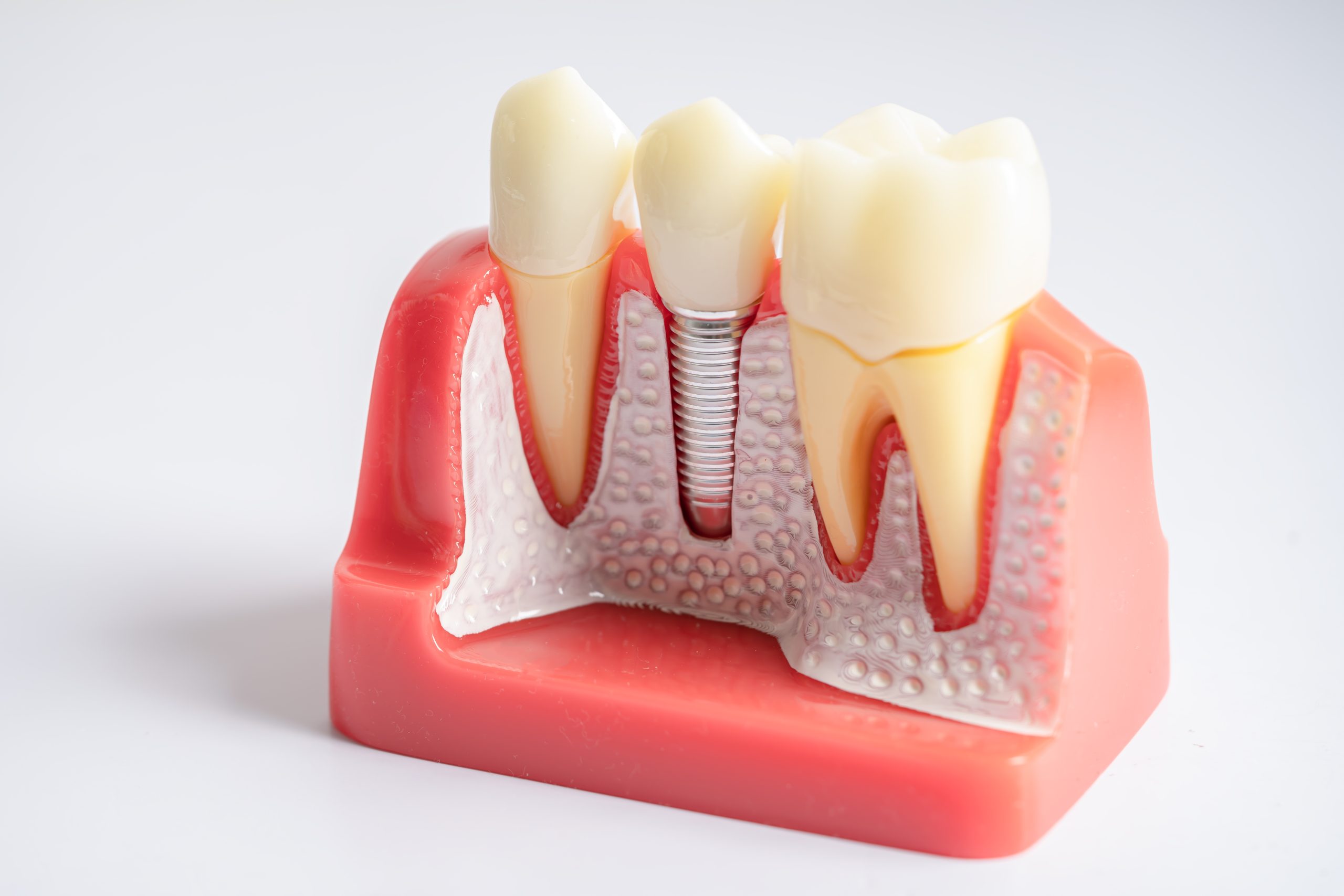
A same-day extraction and implant procedure removes a damaged tooth and places a dental implant into the empty socket during the same surgical appointment.
The procedure is also called immediate implant placement. The implant acts as an artificial tooth root and provides support for a future dental crown.
It is important to understand the difference between immediate implant placement and immediate tooth replacement. Placing the implant on extraction day does not automatically mean receiving a permanent crown that day.
The treatment generally involves three stages:
- Tooth extraction: The dentist removes the damaged tooth while preserving the surrounding bone and gum tissue whenever possible.
- Implant placement: A titanium implant is positioned inside the extraction socket if sufficient bone support is available.
- Restoration: A dental crown is attached after the implant has achieved adequate healing and stability.
A temporary restoration may be possible in selected cases. The dentist must ensure that excessive biting pressure does not interfere with healing.
Who Is a Good Candidate for an Immediate Dental Implant After Extraction?
A patient may qualify for immediate implant placement when the extraction socket has adequate bone support, healthy surrounding tissue, and no uncontrolled acute infection.
The International Team for Implantology (ITI) identifies specific clinical conditions that influence eligibility. These include:
- Adequate bone volume: Sufficient bone must remain around the extraction site to stabilize the implant.
- Intact facial bone: The outer bone wall supporting the gum should be sufficiently thick and preserved.
- Healthy gum tissue: Thick, healthy gum tissue can help support a stable and natural-looking result.
- Absence of acute infection: Active infection at the implant site can make immediate placement unpredictable.
- Primary stability: The implant must achieve initial mechanical stability in the correct restorative position.
A cone-beam computed tomography (CBCT) scan may help evaluate bone dimensions and the anatomical structure around the extraction site.
Patients with a thin facial bone wall, damaged socket, or insufficient supporting bone may need another treatment approach. The final decision depends on clinical examination and imaging findings.
Source: ITI Consensus Statements on implant placement in extraction sockets.
When Is Same-Day Implant Placement Not Recommended?
Immediate implant placement is generally avoided when the extraction site cannot provide adequate implant stability or has an acute infection.
A dentist may recommend delaying implant surgery under the following circumstances:
- Severe bone damage: A compromised socket may not provide enough support for immediate implant placement.
- Active infection: An acute infection can interfere with predictable healing and implant integration.
- Insufficient bone volume: The implant may lack the necessary anchorage in the jawbone.
- Unfavorable gum condition: Thin or damaged gum tissue can increase the risk of gum recession and aesthetic complications.
- Uncontrolled medical conditions: Certain systemic conditions or medications may affect surgical healing and require additional evaluation.
Delaying implant placement does not mean that dental implant treatment is impossible. The dentist may first remove infected tissue, preserve the extraction socket, or recommend bone grafting.
This approach allows the extraction site to heal before implant surgery begins.
What Happens During a Same-Day Extraction and Implant Procedure?
The procedure involves evaluating the extraction site, removing the tooth carefully, placing the implant when conditions permit, and protecting the surgical area during healing.
The treatment usually follows these steps:
1. Examination and treatment planning
The dentist examines the tooth, gum tissue, and surrounding bone. Dental X-rays or CBCT imaging may help determine whether immediate placement is appropriate.
2. Tooth removal
The dentist removes the damaged tooth using a technique designed to minimize trauma to the surrounding bone and gum tissue.
3. Implant insertion
If the socket remains suitable, the dentist positions the titanium implant in the jawbone. The implant must achieve primary stability without compromising its ideal position.
4. Bone grafting, when necessary
A bone graft may be recommended to fill a gap between the implant and surrounding bone or support the extraction site. Common graft materials include autografts (the patient’s own bone), allografts (donor human bone), and xenografts (animal-derived bone).
5. Temporary or permanent restoration planning
The dentist determines whether a temporary crown can be placed safely or whether the implant should remain protected during healing.
The final restoration is provided after the implant has integrated sufficiently with the surrounding bone.
How Long Does It Take to Recover After Immediate Implant Placement?
Initial recovery generally takes several days to approximately two weeks, while complete implant integration takes several months.
Recovery time varies according to surgical complexity, bone condition, general health, and whether additional grafting is required.
During the initial healing period, patients may experience:
- Mild swelling around the surgical site.
- Temporary discomfort or tenderness.
- Minor bleeding during the early postoperative period.
- Sensitivity while eating near the treated area.
The dentist may recommend soft foods, careful brushing around the surgical site, and avoiding direct pressure on the implant.
Patients should also avoid smoking during healing because tobacco use can impair tissue recovery and increase the risk of implant complications.
Follow-up appointments allow the dentist to assess healing and determine when the permanent crown can be attached. Increasing pain, persistent bleeding, fever, or worsening swelling should be reported promptly.
What Are the Risks of Getting an Implant Immediately After Extraction?
Immediate implant placement carries risks such as implant failure, gum recession, bone loss, and infection, particularly when the extraction site does not meet the required clinical conditions.
Although this approach can reduce the number of surgical appointments, it requires careful treatment planning.
Potential complications include:
- Failure of osseointegration: The implant may not integrate properly with the surrounding jawbone.
- Gum recession: Changes in the surrounding gum tissue may expose part of the implant or affect its appearance.
- Bone resorption: Natural changes in the extraction socket can reduce the supporting bone volume.
- Infection: Bacterial contamination around the surgical site can interfere with healing.
- Poor implant positioning: Incorrect placement can affect the fit, function, and appearance of the final crown.
Immediate placement does not eliminate the natural bone remodeling that occurs after tooth extraction. Additional procedures, such as bone augmentation or soft tissue grafting, may be needed to improve the treatment outcome.
The ITI recommends assessing the extraction socket, surrounding bone, soft tissue, and primary stability before proceeding.
Is Immediate Implant Placement Better Than Waiting After Tooth Extraction?
Immediate placement reduces the waiting period before implant surgery, while delayed placement allows the extraction site to heal before the implant is inserted.
Both approaches can be appropriate. The choice depends on the condition of the extraction site and the patient’s treatment requirements.
| Treatment approach | When the implant is placed | Main consideration |
|---|---|---|
| Immediate placement | Same day as extraction | Requires suitable bone and socket conditions |
| Early placement | Typically 4–8 weeks after extraction | Allows soft tissue healing |
| Early placement with partial bone healing | Typically 12–16 weeks after extraction | Allows additional bone healing |
| Late placement | After complete socket healing, generally more than 6 months | May be appropriate when earlier placement is unsuitable |
These timeframes follow the established ITI classification of implant placement protocols. Individual treatment schedules may differ.
The immediate approach may reduce the number of surgical appointments. However, waiting can provide better conditions when the extraction socket has significant damage or insufficient bone support.
The dentist should select the placement schedule based on clinical findings rather than convenience alone.
How Much Does a Same-Day Tooth Extraction and Implant Cost?
The cost of immediate implant placement depends on the surgical procedure, implant system, restoration, and additional treatment required.
The total treatment estimate may include:
- Tooth extraction and surgical fees.
- Titanium implant placement.
- CBCT imaging and diagnostic examinations.
- Bone grafting or membrane placement, if necessary.
- Temporary restoration, when indicated.
- Final custom dental crown.
There is no single price that applies to every patient. A straightforward extraction and implant may require a different treatment budget from a procedure involving bone reconstruction or soft tissue grafting.
Ask for an itemized estimate before treatment. Confirm whether the quoted amount includes the extraction, implant, abutment, final crown, imaging, and follow-up appointments.
Where Can You Get Dental Implants in Woodbridge, VA?
Parkway Smiles Dentistry provides dental implant placement in Woodbridge, VA, with treatment planning based on the patient’s oral health and implant requirements.
If you need to remove a damaged tooth and are considering immediate replacement, a professional examination can help determine whether same-day implant placement is appropriate.
The dental implant evaluation should establish:
- Whether the tooth can be removed without compromising the surrounding bone.
- Whether sufficient bone remains for primary implant stability.
- Whether bone grafting is necessary.
- Whether immediate or delayed implant placement offers a more predictable approach.
- When the final dental crown can be attached.
Patients considering dental implants in Woodbridge can visit Parkway Smiles Dentistry at 12701 Marblestone Drive, Suite 260, Woodbridge, VA 22192.
Contact Parkway Smiles Dentistry to schedule an implant consultation.
You can also find the practice through its Google Business Profile and directions.
Frequently Asked Questions
1. Can you get a dental implant immediately after a tooth extraction?
Yes. An implant can be placed immediately after extraction if sufficient bone support and suitable gum tissue are present.
2. Does a same-day dental implant include a permanent crown?
No. Immediate implant placement does not guarantee a permanent crown on the same day because the implant needs time to integrate with the jawbone.
3. How long should you wait to eat after immediate implant placement?
Patients can generally resume eating soft foods once the initial bleeding is controlled and the dentist permits it, while avoiding pressure on the implant site.
4. Can an infected tooth receive an immediate dental implant?
An implant is generally not recommended at a site with an acute infection because infection can compromise predictable healing.
5. Is immediate implant placement more expensive?
Not necessarily. The total cost depends on extraction fees, implant placement, restoration, and additional procedures such as bone grafting.