
12701 Marblestone Dr #260, Woodbridge, VA 22192


Saving Smiles with Root Canal Retreatment in Woodbridge
Root canal retreatment in Woodbridgeis a procedure performed to save a tooth that has previously undergone root canal treatment but requires further treatment. This is necessary when the tooth's interior pulp becomes infected or damaged. Although root canals are generally successful, there are cases where retreatment is needed. This article will delve into the reasons for retreatment, the procedure involved, and how it effectively maintains oral health.
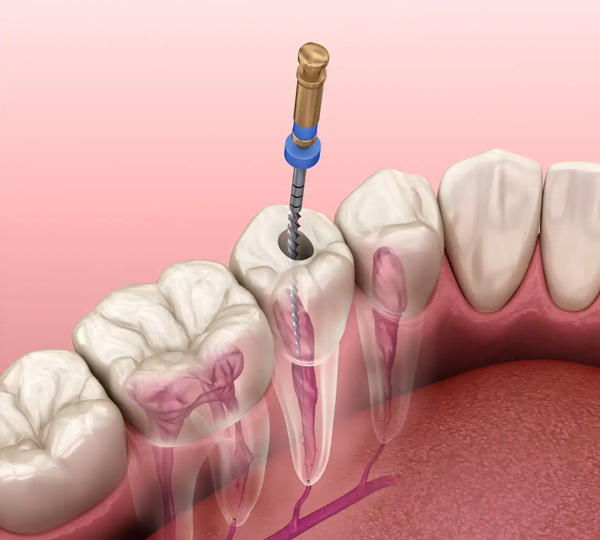
Understanding Root Canal Treatment
Root canal treatment is a frequently performed dental procedure aimed at preserving a severely decayed or infected tooth instead of extracting it. The process entails eliminating the infected pulp, thoroughly cleaning the root canals, and sealing them to prevent any further infection. Although root canal therapy is generally effective, there are instances where retreatment may be required.
Root canal retreatment is required when the initial root canal therapy fails to completely resolve the problem or when new infections arise. Several common factors that may necessitate root canal retreatment include overlooked canals, fresh decay or injury to the treated tooth, recurring infection, and ongoing symptoms such as pain, swelling, or gum abscesses.
Benefits of Root Canal Retreatment
Preservation of Natural Tooth: The primary goal of root canal retreatment is to preserve the natural tooth, eliminating the need for extraction. This procedure plays a crucial role in maintaining optimal oral function, enhancing aesthetics, and preventing potential complications that may arise from tooth loss, including adjacent teeth shifting and bone loss.
Pain Relief: Suffering from a persistent toothache and discomfort can have a major impact on an individual's overall well-being. Thankfully, root canal retreatment is a highly effective solution that targets the root cause of the problem, offering much-needed pain relief and restoring optimal oral health.
Improved Oral Health: Root canal retreatment plays a crucial role in enhancing oral health by eliminating the source of infection or inflammation. This procedure effectively eradicates bacteria, prevents reinfection, and minimizes the chances of complications spreading to adjacent teeth or the supporting structures.
Long-Term Solution: Root canal retreatment, performed by an experienced endodontist in Woodbridge, provides a durable solution. This procedure guarantees comprehensive cleaning and disinfection, minimizing the risk of treatment failure and the necessity for additional intervention.
Cost-Effectiveness: Root canal retreatment is often a more cost-effective option compared to tooth extraction followed by tooth replacement options like dental implants, bridges, or dentures. By choosing retreatment, patients can keep their natural tooth and avoid the extra costs associated with prosthetic replacements.
When is Root Canal Retreatment Necessary?
In certain cases, a previously treated tooth may exhibit persistent symptoms or complications, necessitating root canal retreatment. The following are common scenarios that may require retreatment:
Reinfection: Sometimes, the initial root canal treatment may not successfully eliminate all the bacteria, leading to reinfection of the tooth. This can occur due to undetected canals, complex root canal anatomy, or the presence of new infections.
New Dental Issues: Dental complications, such as decay, fractures, or cracks, can develop in the treated tooth over time, requiring retreatment to address the new problems.
Failed Restoration: Inadequate or deteriorated dental restorations, such as fillings or crowns, can lead to reinfection or damage to the treated tooth. Retreatment is necessary to replace or repair the faulty restoration and ensure the tooth’s longevity.
Root Canal Retreatment Procedure
If root canal retreatment is required, the patient will undergo a procedure similar to the initial root canal treatment. The steps for root canal retreatment are as follows:
Evaluation: The dentist or endodontist evaluates the tooth by examining it, reviewing the patient's dental history, and taking into account any changes in symptoms. This evaluation helps determine whether retreatment is necessary.
Local anesthesia: In order to ensure the patient's comfort during the retreatment, the dentist administers local anesthesia, similar to the initial procedure.
Access and removal: The dentist cautiously eliminates the current restoration and gains entry to the root canal system. The filling materials used in the initial treatment are extracted, enabling a comprehensive cleaning and disinfection process.
Canal cleaning and shaping: During this procedure, the dentist utilizes specialized instruments to thoroughly clean and shape the canals, effectively eliminating any remaining infected or damaged tissue.
Obturation: Once the canals have been thoroughly cleaned, they are packed with a biocompatible material, usually gutta-percha, and sealed to prevent any further infection.
Restoration: Ultimately, a crown or other form of temporary or permanent restoration is carefully placed to safeguard the treated tooth and reinstate its full functionality.
Effectiveness of Root Canal Retreatment
Retreatment of root canals can effectively save teeth that would otherwise need to be extracted. By addressing the root causes that led to the need for retreatment, it offers a chance to preserve natural teeth. The success rates may vary, but they are generally high, particularly when carried out by experienced professionals.
Seeking Root Canal Retreatment in Woodbridge
In Woodbridge, there is a wide array of exceptionally talented dentists and endodontists who specialize in root canal retreatment. The city offers patients access to state-of-the-art dental facilities that are equipped with cutting-edge technology and staffed by experienced professionals who are dedicated to providing top-notch care.
What to Expect After Root Canal Retreatment
Following root canal retreatment, patients in Woodbridge should adhere to their endodontist's instructions for the best possible recovery. It is normal to encounter slight sensitivity or discomfort after the procedure, but this can be alleviated with over-the-counter pain relievers. It is crucial to maintain proper oral hygiene by regularly brushing, flossing, and using an antiseptic mouthwash.
Patients may be required to arrange a follow-up appointment with their endodontist to assess the progress of healing. In certain instances, the endodontist may suggest a dental crown to enhance the strength and safeguard the treated tooth.