12701 Marblestone Dr #260, Woodbridge, VA 22192

7 Quick Facts About Teeth Whitening You Should Know


Your smile is one of the first things people notice about you, and the color of your teeth plays a significant role in that first impression. Over time, foods like coffee, tea, and red wine and habits like smoking can leave behind stubborn stains that regular brushing won’t remove. That’s where teeth whitening comes in. It’s one of the most requested cosmetic dental treatments in the United States because it offers quick, visible results and boosts self-confidence. Before you book your appointment or reach for an at-home kit, it’s essential to understand how whitening works, what to expect, and what results are realistic. Here are 7 quick facts about teeth whitening to help you make the best decision for your smile.
Teeth Whitening Facts Every Patient Should Know:
1. You Choose Professional Whitening vs. At-Home Solutions
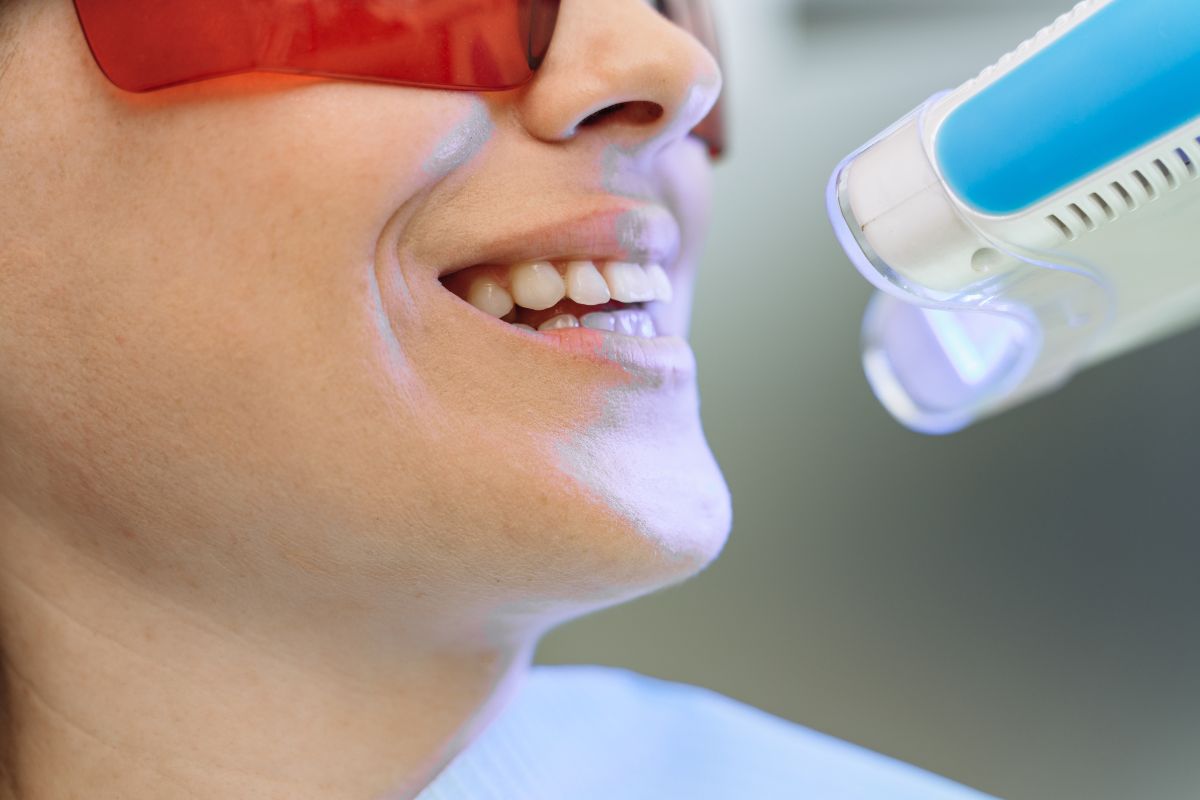
Professional Whitening: Your dentist provides strong, secure, and efficient in-office procedures. They use high-concentration bleaching agents, often activated by light, to achieve significant results quickly. Dentists also provide custom-fitted trays for at-home use with professional-grade gels, ensuring even application and optimal contact with the teeth. While over-the-counter products may brighten your teeth over time, professional teeth whitening delivers faster and more noticeable results.
At-Home Over-the-Counter Options: You can find various products, such as whitening strips, gels, toothpaste, and rinses, at pharmacies. These contain lower concentrations of active ingredients, making them safer for general use, but often yield more gradual and less dramatic results. Always follow product instructions carefully.
2. Teeth Whitening is Safe When Done Correctly
When you follow instructions and use professional guidance, teeth whitening is generally a safe procedure. Your dentist ensures the procedure is appropriate for your oral health. Over-the-counter products also carry safety warnings; read and adhere to them strictly.
3. Results Don’t Last Forever
Teeth whitening isn’t a permanent solution. Depending on your behaviors and the surgery, results often last anywhere from a few months to three years. Habits like consuming staining foods and drinks or smoking can significantly shorten the duration of your bright smile.
4. You Might Experience Temporary Sensitivity
Teeth whitening can sometimes increase tooth sensitivity or cause gum irritation. These effects are typically temporary, usually fading within a few days. Consult your cosmetic dentist before starting treatment if you already have sensitivity. You can manage any discomfort by using a desensitizing toothpaste.
5. Not Everyone Is a Candidate
Teeth whitening benefits many, but it’s not a suitable option for everyone. Pregnant or nursing women, children under a certain age, and individuals with gum disease, exposed roots, or specific types of dental restorations (like crowns, veneers, or fillings) might not be suitable candidates. To decide whether teeth whitening is right for you, your dentist will examine your oral health.
6. Preparation Is Key for Best Results
Before you whiten, your dentist should thoroughly examine your teeth and gums. They address any existing dental issues, such as cavities or gum disease, which can impact the safety and effectiveness of whitening. A professional cleaning removes surface plaque and tartar, allowing the whitening agent to work more effectively on your enamel.
7. Maintain Your Brilliant Smile
After whitening, you play a crucial role in maintaining your results. Minimize consumption of highly pigmented foods and drinks like coffee, tea, red wine, and berries. Rinse your mouth out with water after eating them. Brush and floss frequently to maintain good dental hygiene. Your cosmetic dentist may also recommend periodic touch-up treatments to keep your smile looking its best.
FAQs About Teeth Whitening
Q: What causes teeth to stain in the first place?
A: External stains are mostly caused by foods and beverages such as red wine, tea, and coffee. One of the main offenders is tobacco use. Intrinsic discoloration can be brought on by internal causes like aging, heredity, certain drugs, and prior trauma.
Q: How can I maintain my white teeth after treatment?
A: You can maintain your results by avoiding staining foods and drinks, practicing excellent oral hygiene (brushing twice daily and flossing once daily), and using touch-up treatments recommended by your dentist.
Q: Can teeth whitening damage my tooth enamel?
A: When performed under professional supervision or with careful adherence to product instructions, teeth whitening does not damage tooth enamel. Temporary sensitivity is the most common side effect.
Q: Are there any foods or drinks I should avoid immediately after teeth whitening?
A: For the first 24-48 hours after treatment, your teeth are more susceptible to staining. You should avoid coffee, tea, red wine, dark sodas, berries, dark sauces, and tobacco products. Stick to “white” foods and clear liquids.
Whitening your teeth is a safe and effective way to enhance your smile and boost your confidence when it’s done under professional care. Knowing these key facts can help you make an informed decision and enjoy results that truly last.