12701 Marblestone Dr #260, Woodbridge, VA 22192

Are Dental Implants Safe? Know Everything About It


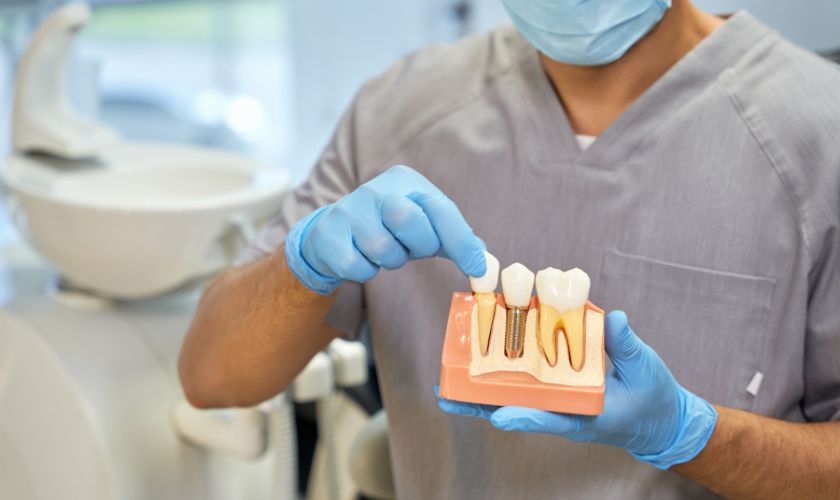
Dental implants have transformed modern dentistry by offering patients a natural-looking, durable solution for missing teeth. While most people hear implants are “safe” and “long-lasting,” digging deeper is essential. Safety doesn’t just mean the surgery itself—it also includes how implants perform years down the road, how your overall health affects outcomes, and even what kind of implant you choose.
This article will explain everything you need to know about dental implant safety, from surgical risks to long-term considerations.
How Safe Are Dental Implants?
Dental implants are titanium or zirconia posts surgically placed into the jawbone to act as artificial tooth roots. According to studies, they have a success rate of 90–95% over 10 years, making them one of the most reliable restorative options available.
Still, many patients wonder: are dental implants safe for everyone? The answer depends on your oral health, overall medical condition, and the expertise of your dental provider.
Potential Risks and Complications
While dental implants are generally safe, they are not devoid of risks. Potential complications include:
✅Infection: Post-operative infections can occur if proper oral hygiene is not maintained or the surgical site is contaminated.
✅ Implant Failure: Insufficient jawbone density, poor oral hygiene, or excessive biting forces can lead to implant failure.
✅ Nerve Damage: Improper implant placement can result in nerve injury, leading to numbness, pain, or tingling in the gums, lips, or chin.
✅ Sinus Issues: Implants placed in the upper jaw can potentially penetrate the sinus cavity, causing sinus problems.
Factors Influencing Implant Success
Several factors can affect the success of dental implants:
✔ Overall Health: Chronic conditions like uncontrolled diabetes or autoimmune diseases can impede healing and increase the risk of complications.
✔ Oral Health: Healthy gums and adequate jawbones are essential for supporting implants. Periodontal disease, or bone loss, may necessitate additional treatments before implant placement.
✔ Lifestyle Choices: Smoking has been linked to higher implant failure rates due to its adverse effects on healing and blood circulation.
Ensuring a Safe Implant Procedure
To enhance the safety and success of dental implants, consider the following measures:
✅ Comprehensive Consultation: Discuss your medical history, medications, and expectations with your dentist to tailor the treatment plan accordingly.
✅ Diagnostic Imaging: Undergo imaging studies, such as X-rays or CT scans, to evaluate bone structure and accurately plan implant placement.
✅ Meticulous Oral Hygiene: Adopt a rigorous oral hygiene routine before and after the procedure to prevent infections and promote healing.
✅ Adherence to Post-Operative Instructions: To facilitate optimal recovery, diligently follow your dentist’s post-surgery guidelines, including dietary recommendations and activity restrictions.
Are Dental Implants Safe for the Elderly?
A common question among older adults is whether age affects implant success. The good news is that age alone is not a contraindication for dental implants. Many elderly patients successfully receive implants and enjoy improved function, appearance, and quality of life.
Key considerations for older adults include
✔ Bone density: Aging can lead to decreased jawbone mass, which may require bone grafts or sinus lifts to ensure implant stability.
✔ Chronic conditions: Diabetes, heart disease, or osteoporosis are more common in older adults and need careful management before and after surgery.
✔ Medication interactions: Elderly patients often take multiple medications, some of which can affect healing or bone integration.
With proper evaluation, personalized treatment planning, and follow-up care, dental implants can be a safe and effective solution for older adults seeking long-term tooth replacement.
FAQ Section: Deeper Safety Concerns
Q: Can I have an allergic reaction to a dental implant?
A: Allergic reactions to dental implant materials, particularly the titanium used in most implants, are exceedingly rare. However, if you have a known metal allergy, inform your dentist. Metal-free alternatives, such as zirconia implants, can be used.
Q: How do my pre-existing health conditions affect the safety of dental implants?
A: Conditions like uncontrolled diabetes can impair your body’s ability to heal and fight infection, significantly increasing the risk of implant failure. Osteoporosis can also affect bone density, which is critical for implant stability. Always provide your complete medical history and a list of all medications to your surgeon, as they will tailor your treatment plan to mitigate these risks.
Q: What about dental implant rejection? Is that a thing?
A: True rejection, as in your body having an autoimmune response to the implant, is extremely rare. What is often referred to as “rejection” is implant failure, which is a result of the implant not properly fusing with the bone due to factors like infection, smoking, or poor bone quality.
Ready for a permanent solution to missing teeth? Contact our Woodbridge dental office to explore how implants can transform your smile. Choosing a qualified implant specialist, maintaining good oral health, and following post-procedure care guidelines can significantly improve your results. Open communication with our team allows you to address concerns and achieve the best possible outcome.