12701 Marblestone Dr #260, Woodbridge, VA 22192

Common Oral Surgery Procedures and When They’re Necessary


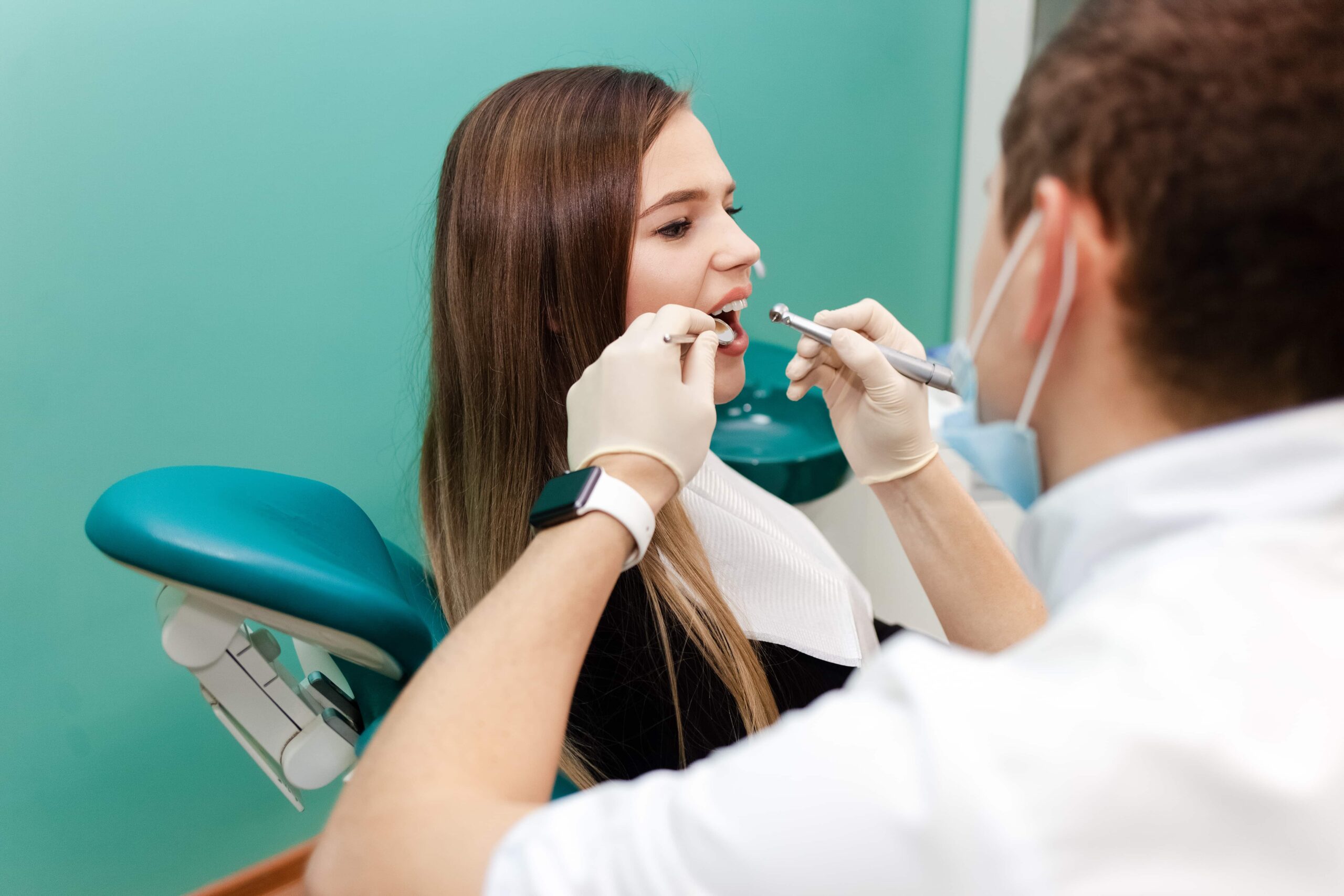
Oral surgery is often recommended when a dental condition cannot be effectively treated with preventive or restorative care alone. Whether it’s removing impacted wisdom teeth, replacing missing teeth with dental implants, or preparing the jaw for future treatment, oral surgery helps restore oral health, function, and comfort.
At Parkway Smiles Dentistry, our team provides comprehensive oral surgery services using advanced technology and personalized treatment planning to ensure every patient receives the care they need. Understanding the most common oral surgery procedures and why they’re performed can help you feel more confident if your dentist recommends treatment.
What Is Oral Surgery?
Oral surgery includes procedures performed on the teeth, gums, jawbone, and surrounding oral structures to treat conditions affecting your oral health and overall well-being. While the term “surgery” may sound intimidating, modern techniques, digital imaging, and effective anesthesia make many procedures more comfortable than patients expect.
Your dentist may recommend oral surgery when conservative treatments are no longer the best option or when surgical care offers the most predictable long-term outcome.
Tooth Extractions
Tooth extraction is one of the most common oral surgery procedures. Although preserving natural teeth is always the priority, extraction may become necessary when a tooth is severely damaged or poses a risk to neighboring teeth.
A tooth may need to be removed if it has:
- Extensive decay that cannot be restored
- A severe fracture below the gumline
- Advanced periodontal disease
- An infection that cannot be resolved with other treatments
- Overcrowding before orthodontic treatment
Removing a problematic tooth can eliminate pain, reduce the spread of infection, and create a healthier environment for future restorative treatments.
Wisdom Tooth Removal
Wisdom teeth are the last set of molars to develop, usually during the late teens or early twenties. Because many people don’t have enough room in their mouths for these teeth to erupt properly, they often become impacted or partially erupted.
Wisdom tooth removal may be recommended if they cause:
- Jaw pain or pressure
- Swollen or infected gums
- Damage to neighboring teeth
- Tooth decay due to difficult cleaning
- Cyst formation around the impacted tooth
Early evaluation allows your dentist to determine whether removing wisdom teeth before complications develop is the best option.
Dental Implant Placement
Dental implants have become one of the most reliable solutions for replacing missing teeth. Unlike removable dentures or traditional bridges, implants are placed directly into the jawbone, where they function like natural tooth roots.
Dental implant placement may be recommended when a patient:
- Has one or more missing teeth
- Wants a long-lasting replacement option
- Has sufficient bone or is eligible for bone grafting
- Maintains good overall oral health
After the implant is placed, it integrates with the jawbone through a natural healing process. Once healing is complete, a custom restoration is attached to restore appearance and chewing function.
Bone Grafting
Not every patient has enough healthy jawbone to support a dental implant immediately. Bone loss commonly occurs after teeth have been missing for an extended period or due to advanced periodontal disease.
Bone grafting is performed to rebuild areas where bone volume has been lost.
Your dentist may recommend bone grafting to:
- Prepare the jaw for dental implants
- Restore bone after tooth loss
- Improve long-term implant stability
- Preserve the natural contours of the jaw
Because new bone takes time to develop, implant placement may occur after the graft has healed, depending on your individual treatment plan.
Sinus Lift Surgery
For patients missing upper back teeth, the maxillary sinus may extend into the area where dental implants need to be placed. If there isn’t enough bone between the sinus and the jaw, a sinus lift may be recommended.
During this procedure, the sinus membrane is gently elevated, and bone grafting material is placed beneath it to increase bone height.
A sinus lift can:
- Create adequate bone for implant placement
- Improve implant stability
- Increase the likelihood of long-term implant success
This procedure is commonly performed before placing implants in the upper posterior jaw.
Oral Biopsies
Changes in the soft tissues of the mouth should never be ignored. If your dentist notices an abnormal lesion, persistent sore, or unusual tissue that doesn’t heal as expected, an oral biopsy may be recommended.
A small tissue sample is removed and sent to a laboratory for microscopic evaluation.
An oral biopsy may help diagnose:
- Benign growths
- Chronic inflammatory conditions
- Precancerous tissue changes
- Oral cancer
Early diagnosis allows for prompt treatment and significantly improves outcomes when serious conditions are detected.
When Should You See an Oral Surgeon?
Many oral health problems develop gradually before noticeable symptoms appear. Scheduling an evaluation early can help prevent more complex treatment later.
You should schedule an evaluation if you experience:
- Persistent tooth pain
- Swollen or bleeding gums
- Difficulty chewing
- Jaw discomfort
- Impacted wisdom teeth
- Missing teeth
- Facial swelling
- Oral sores that don’t heal within two weeks
Prompt diagnosis allows your dental team to determine the most appropriate treatment before complications worsen.
What to Expect During an Oral Surgery Consultation
Every patient begins with a comprehensive examination. Your dentist will evaluate your oral health, review your medical history, and use advanced diagnostic imaging to assess the teeth, bone, and surrounding structures.
At Parkway Smiles Dentistry, advanced technology—including digital X-rays, CBCT imaging, and intraoral cameras—helps create accurate diagnoses and personalized treatment plans.
During your consultation, you’ll discuss:
- Your diagnosis
- Available treatment options
- Expected benefits and potential risks
- Healing timeline
- Post-operative care instructions
The goal is to ensure you understand every step of your treatment before moving forward.
Recovery After Oral Surgery
Healing varies depending on the procedure, but following your dentist’s instructions plays a significant role in recovery.
Most patients are advised to:
- Rest during the first 24 hours
- Use ice packs to reduce swelling
- Take prescribed medications as directed
- Eat soft foods while healing
- Avoid smoking during recovery
- Maintain gentle oral hygiene around the surgical area
- Attend all recommended follow-up appointments
Following these instructions helps minimize complications and supports proper healing.
Trust Parkway Smiles Dentistry for Oral Surgery in Woodbridge, VA
When oral surgery is necessary, choosing an experienced dental team can make all the difference. Parkway Smiles Dentistry provides comprehensive surgical care using advanced diagnostic technology and individualized treatment planning to help patients restore their oral health comfortably and confidently.
Whether you need a tooth extraction, wisdom tooth removal, bone grafting, sinus lift, dental implant placement, or an oral biopsy, our team is committed to delivering compassionate care tailored to your needs.
If you’re experiencing dental pain, missing teeth, or have been told you may need oral surgery, schedule a consultation with Parkway Smiles Dentistry in Woodbridge, VA. We’ll evaluate your oral health, explain your treatment options, and help you take the next step toward a healthier smile.