12701 Marblestone Dr #260, Woodbridge, VA 22192

Dental Crown Aftercare: Do’s and Don’ts


Getting a dental crown in Woodbridge is one of the most effective ways to protect a damaged, decayed, or weakened tooth, but the work doesn’t end when you leave the dental chair. How you care for your crown in the days, weeks, and months afterward plays a major role in how long it lasts and how comfortable your recovery feels. Whether you’re adjusting to a temporary crown or settling into a permanent one, understanding proper dental crown aftercare can mean the difference between years of trouble-free function and an unplanned trip back to the dentist.
Quick Answer: After getting a dental crown, avoid sticky or hard foods for at least 24 hours, chew on the opposite side if you have a temporary crown, maintain gentle but thorough brushing and flossing, and watch for lingering sensitivity or pain. Most patients adjust within a few days, with full comfort restored within one to two weeks.
Understanding the Crown Placement Process
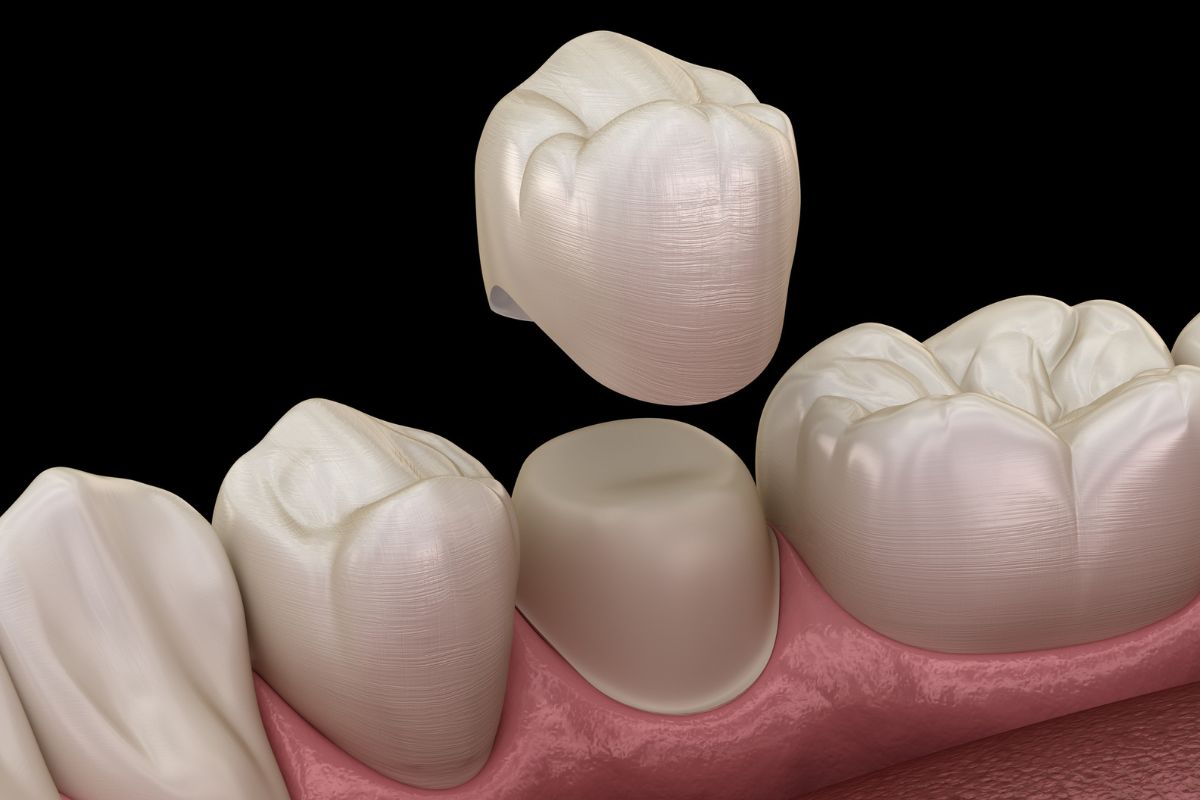
A dental crown is a custom-made cap that fits over a prepared tooth, restoring its shape, strength, and function. Crowns are typically recommended after root canal therapy, for teeth with large fractures, or to protect a tooth that has undergone significant decay. In many cases, patients wear a temporary crown while a permanent, lab-fabricated restoration is being crafted to match the exact contours and shade of their natural teeth. This transitional period requires a slightly different approach to aftercare than the weeks following permanent placement, so it helps to know what to expect at each stage.
The Do’s: Best Practices for Crown Aftercare
Do stick to soft foods initially. For the first 24 hours, especially if local anesthesia was used, choose soft foods like yogurt, mashed potatoes, scrambled eggs, or soup. This gives your gum tissue time to settle and reduces the risk of biting your cheek or tongue while still numb.
Do maintain your oral hygiene routine. Brushing twice daily and flossing once a day remains essential, even around a new crown. Use a soft-bristled toothbrush and be gentle around the gumline where the crown meets the natural tooth structure. Bacteria buildup at this margin is one of the leading causes of decay under a crown, so consistency matters.
Do floss carefully but thoroughly. Rather than pulling floss straight up and out, which can dislodge a temporary crown, slide it out sideways instead. This small adjustment protects the restoration while still clearing away plaque between teeth.
Do use a fluoride mouth rinse if recommended. Fluoride strengthens the margin around the crown and helps protect the underlying tooth structure from decay, particularly important for patients with a history of cavities.
Do attend your follow-up appointment. If you received a temporary crown, the follow-up visit for your permanent restoration is not optional. Delaying this step increases the risk of the temporary shifting, cracking, or allowing bacteria to reach the prepared tooth underneath.
Do monitor your bite. A properly fitted crown should feel natural when you bite down. If it feels high, uneven, or causes discomfort when chewing, contact your dental team so they can make a quick adjustment before it leads to jaw strain or uneven wear.
The Don’ts: Common Mistakes to Avoid
Don’t chew sticky or hard foods. Caramel, taffy, ice, hard candy, and even crunchy foods like nuts or popcorn kernels can dislodge a temporary crown or, in rare cases, damage a permanent one. This is especially important during the first two weeks.
Don’t skip flossing out of fear. Some patients avoid flossing near a new crown out of caution, but this often does more harm than good. Skipping oral hygiene around the restoration allows plaque to accumulate, increasing the risk of gum inflammation and decay at the margin.
Don’t ignore prolonged sensitivity. Mild sensitivity to hot or cold is normal for the first few days as the tooth and surrounding tissue adjust. However, if sensitivity persists beyond two weeks or intensifies, it could indicate an issue with the crown’s fit or the health of the tooth underneath, and it’s worth having it evaluated.
Don’t use your teeth as tools. Opening packages, biting fingernails, or chewing on pens puts unnecessary pressure on a crown and can cause it to crack or loosen over time.
Don’t delay treatment if the crown feels loose. A loose crown is not something to wait out. Bacteria can enter the gap between the crown and tooth, leading to decay or infection. Same-day evaluation is typically recommended if you notice movement or a change in fit.
Why Aftercare Matters for Long-Term Success
Research on restorative dentistry consistently shows that well-maintained crowns can last well over a decade, with many lasting 15 years or longer when patients follow good oral hygiene practices and attend regular checkups. Neglecting aftercare, on the other hand, is one of the most common reasons crowns fail prematurely, whether through decay at the margin, fracture from excessive force, or gum recession that exposes the crown’s edge.
For patients considering restorative options, understanding how a crown compares to other treatments can also help set realistic expectations for recovery and long-term maintenance. Every mouth is different, and factors like bite alignment, grinding habits, and overall gum health all influence how a crown holds up over time.
When to Call Your Dentist
While mild discomfort and sensitivity are expected in the first few days, certain symptoms warrant a call to your dental office sooner rather than later. These include sharp pain when biting down, visible cracks or chips in the crown, a crown that feels loose or has fallen off, persistent swelling, or a bad taste that suggests infection near the gumline. Catching these issues early typically means a simpler, less invasive fix.
Woodbridge patients who stay proactive about aftercare tend to have smoother recoveries and fewer complications down the road. Pairing good home care with routine professional cleanings and checkups gives your crown the best possible chance of lasting for many years to come.
Building Long-Term Habits Around Your Restoration
Beyond the initial adjustment period, long-term crown success comes down to the same habits that protect your natural teeth: consistent brushing and flossing, a balanced diet low in excessive sugar, and avoiding habits like teeth grinding or nail biting that place added stress on dental work. If you grind your teeth at night, ask your dentist about a custom nightguard, since this simple addition can significantly extend the life of a crown by absorbing pressure that would otherwise be transferred directly onto the restoration.
Regular six-month checkups also allow your dental team to catch small issues, like a slightly worn margin or early gum recession, before they become bigger problems. Combined with the do’s and don’ts above, this kind of consistent care is what separates a crown that lasts five years from one that lasts fifteen or more.
FAQ
How long does it take to get used to a dental crown?
Most patients adjust within a few days to a week. Any minor bite discomfort typically resolves once the surrounding tissue heals and you become accustomed to the crown’s shape.
Can I eat normally with a temporary crown?
You can eat, but it’s best to chew on the opposite side and avoid sticky, hard, or chewy foods until your permanent crown is placed, since temporary crowns are more prone to dislodging.
Is it normal for a crown to feel sensitive to cold?
Mild, short-lived sensitivity is common in the first couple of weeks. If sensitivity is severe or lasts longer than two weeks, it’s worth having your dentist take a look.
How often should a dental crown be replaced?
With proper care, crowns often last 10 to 15 years or longer. Replacement is usually only necessary if the crown becomes damaged, the fit changes, or decay develops underneath it.
What should I do if my crown falls off?
Keep the crown safe and contact your dental office as soon as possible. Avoid chewing on that side, and never try to reattach it yourself with household adhesive.
Can poor oral hygiene affect a crown’s lifespan?
Yes. Plaque buildup at the crown’s margin is one of the most common causes of decay and premature crown failure, which is why consistent brushing and flossing remain essential.