12701 Marblestone Dr #260, Woodbridge, VA 22192
Dental Veneers Aftercare: Foods and Habits to Avoid


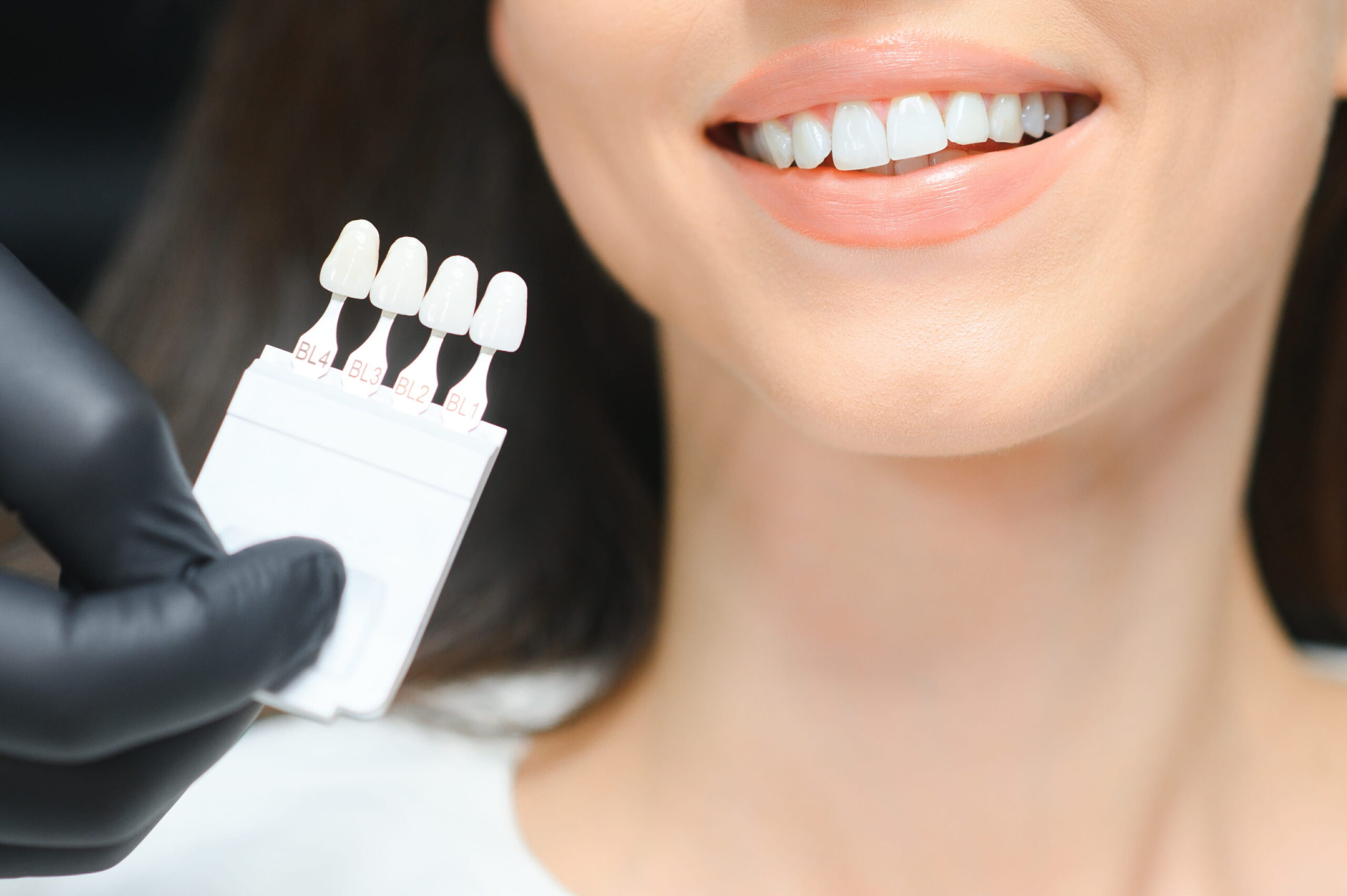
Dental veneers can make a noticeable difference in the appearance of your smile, but dental veneers aftercare is an important part of maintaining your results. What you eat, how you clean your teeth, and the habits you practice every day can all affect the condition of your veneers and the natural teeth underneath them.
At Parkway Smiles Dentistry, our cosmetic dentistry in Woodbridge includes porcelain veneers as part of personalized smile-enhancement treatment. The practice focuses on customized cosmetic care using advanced technology and a patient-centered approach.
If you have recently received veneers—or are considering them—knowing which foods and habits to avoid can help you protect your smile and recognize problems that require professional attention.
What Are Dental Veneers?
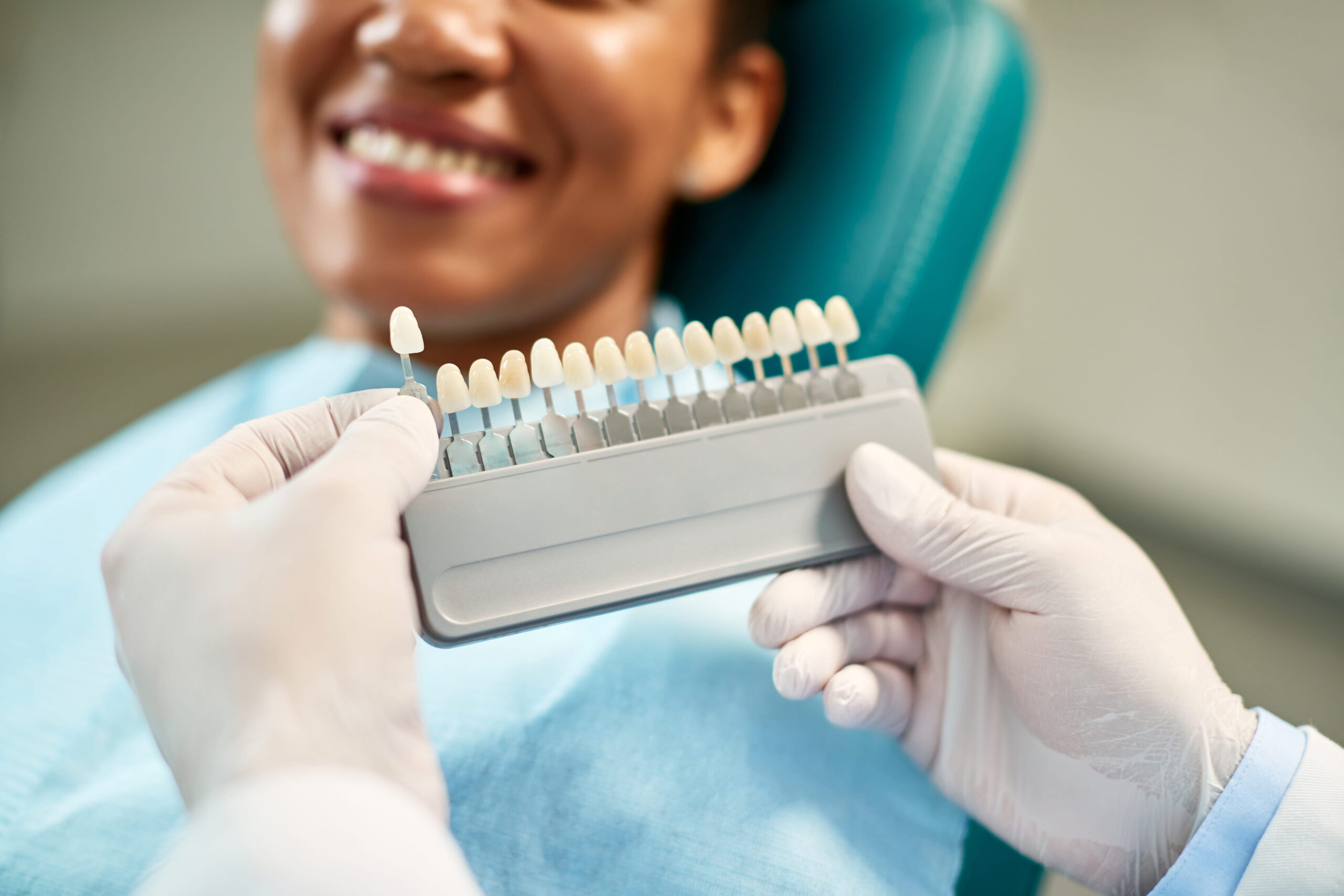
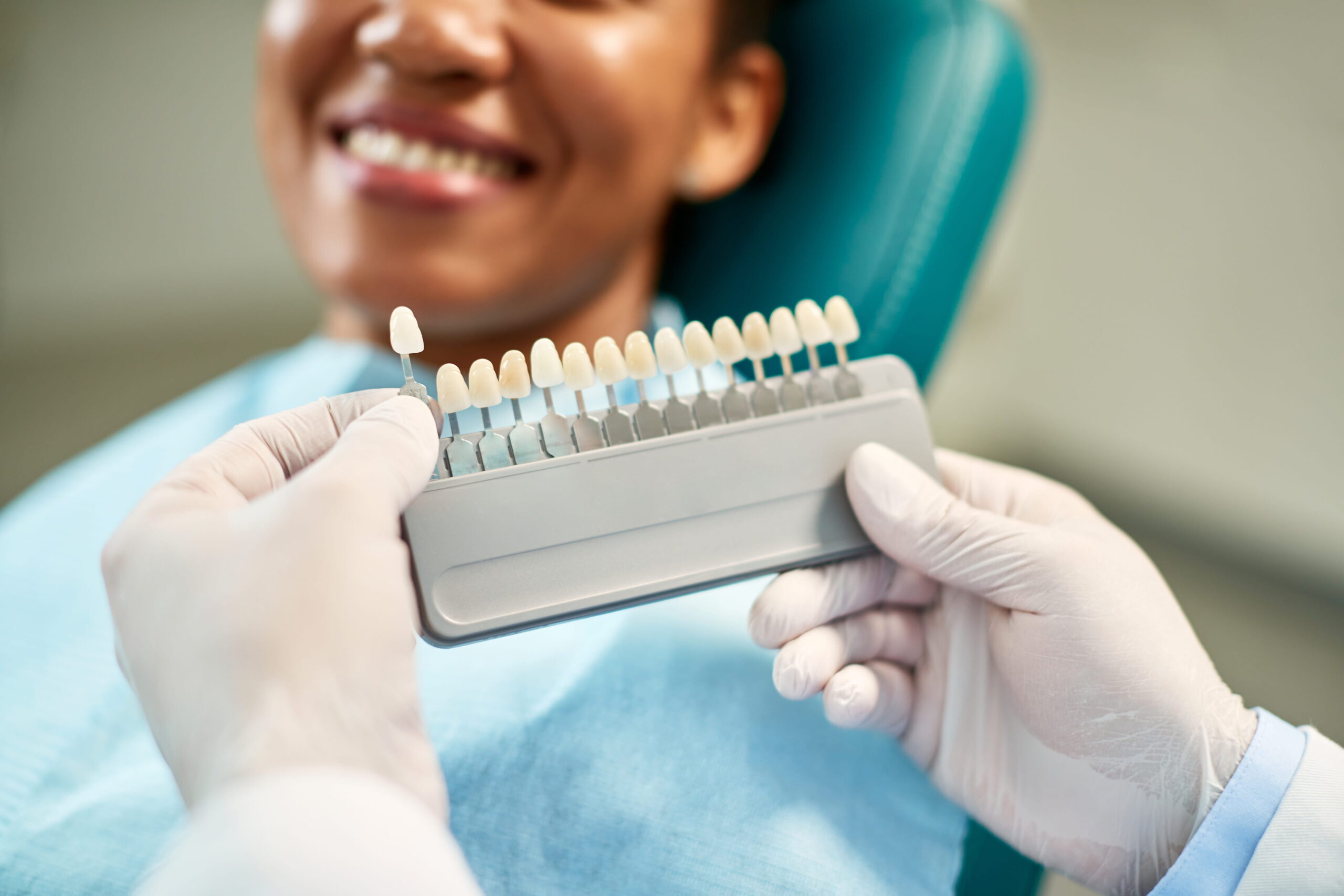
Dental veneers are thin coverings bonded to the front surfaces of teeth to improve their appearance. Veneers can be used to address concerns involving tooth color, shape, minor spacing, and other cosmetic imperfections.
The American Dental Association notes that porcelain veneers involve preparing the tooth, creating a custom restoration, checking its fit and appearance, and bonding it to the tooth. It can also take a few days to become accustomed to a new veneer.
Because veneers are attached to natural teeth, aftercare isn’t only about protecting the veneer itself. You still need to protect the underlying tooth, surrounding gums, and overall oral health.
Dental Veneers Aftercare: Foods to Avoid
You don’t necessarily need to follow an extremely restrictive diet after receiving veneers. However, certain foods can place unnecessary stress on the restoration or contribute to staining.
1. Hard Foods
Be cautious with foods that require significant biting force, particularly if you are tempted to bite directly into them with veneered teeth.
Examples include:
- Hard candies
- Ice
- Nuts that require forceful biting
- Very hard crusts
- Hard pieces of raw vegetables
The ADA specifically recommends avoiding biting hard foods and objects when caring for veneers.
Instead, cut harder foods into smaller pieces and use your back teeth when appropriate.
2. Sticky or Chewy Foods
Sticky foods can place additional pulling forces on dental restorations. Caramel, taffy, and similarly chewy foods are best consumed cautiously.
If your dentist has provided specific instructions following veneer placement, those instructions should take priority over general aftercare advice.
3. Staining Foods and Drinks
Porcelain veneers are resistant to discoloration, but your overall smile can still be affected by staining foods and beverages. The ADA specifically recommends being cautious with items such as coffee, tea, and red wine.
Other strongly pigmented foods may also contribute to staining around the restoration or affect the appearance of your natural teeth.
If you regularly drink coffee or tea, consider discussing your habits with your dentist rather than assuming you must eliminate them completely.
Habits That Can Damage Veneers
Food isn’t the only consideration. Some everyday habits can put excessive pressure on veneers.
Don’t Use Your Teeth as Tools
Avoid using your teeth to:
- Open packages
- Tear plastic
- Bite through tape
- Hold objects
- Crack shells or hard materials
Your teeth are designed for chewing—not as substitutes for scissors or tools.
Avoid Biting Your Fingernails
Nail biting creates repeated pressure on the front teeth. The ADA specifically lists fingernail biting among the habits to avoid when caring for veneers.
If nail biting is a regular habit, addressing it can be an important part of protecting your cosmetic dental work.
Be Careful With Grinding and Clenching
Repeated jaw pressure from teeth grinding or clenching can place significant stress on teeth and dental restorations.
If you regularly wake with jaw soreness, notice worn tooth surfaces, or have been told that you grind your teeth, mention this to your dentist. Your dentist can determine whether additional protection or treatment is appropriate.
Protect Your Teeth During Sports
If you participate in sports or activities where your mouth could be injured, ask your dentist about an appropriate mouthguard. The ADA recommends mouthguard use for people involved in sports or activities that could injure the mouth.
How to Clean Teeth With Veneers
Good oral hygiene remains essential after veneer treatment.
Veneers do not make the surrounding tooth structure immune to dental problems. The ADA notes that cavities can still develop under or around a veneer.
A practical routine includes:
- Brush twice a day with fluoride toothpaste.
- Clean between your teeth every day.
- Pay attention to the gumline around veneers.
- Keep routine dental appointments.
- Follow any personalized instructions from your dentist.
Proper hygiene protects more than the appearance of your smile. Healthy gums and natural teeth provide an important foundation for cosmetic dental work.
For patients considering several ways to improve their smile, Parkway Smiles Dentistry offers cosmetic treatments including porcelain veneers, professional teeth whitening, dental bonding, and Invisalign.
What Should You Do If a Veneer Feels Different?
A new veneer may feel unfamiliar initially. The ADA notes that it can take several days to become accustomed to a veneer and recommends telling your dentist if your bite does not feel right after placement.
Contact your dentist if you notice:
- A veneer feels loose
- Your bite suddenly feels different
- Persistent sensitivity or discomfort
- A visible crack or chip
- Changes in the way the veneer fits
- Gum irritation around the restoration
Don’t try to repair or reattach a veneer yourself. A dental professional needs to determine whether the veneer, underlying tooth, bite, or surrounding tissues are contributing to the problem.
How Long Can Veneers Last?
The lifespan of a veneer varies depending on factors such as the material used, oral hygiene, bite forces, diet, habits, and overall dental health.
Rather than relying on a specific number of years as a guarantee, focus on protecting your veneers and maintaining your natural teeth. Regular dental examinations allow your dentist to monitor the restoration and the surrounding teeth and gums.
This is particularly important because cosmetic treatment should be considered alongside overall oral health. Parkway Smiles Dentistry describes its cosmetic dentistry approach as focused on improving the appearance and function of the teeth, gums, and bite while developing treatment plans around individual patient goals.
Dental Veneers Aftercare: The Simple Checklist
If you want a quick reference, remember these essentials:
Do:
- Brush twice daily with fluoride toothpaste.
- Clean between your teeth every day.
- Attend regular dental visits.
- Be cautious with hard foods.
- Limit exposure to heavily staining foods and beverages.
- Wear a mouthguard for appropriate sports.
- Contact your dentist if your bite or veneer changes.
Don’t:
- Bite your fingernails.
- Chew ice or hard objects.
- Use your teeth as tools.
- Ignore a loose or damaged veneer.
- Attempt to repair a veneer yourself.
The goal isn’t to stop enjoying your favorite foods or change your entire lifestyle. It’s to avoid unnecessary forces and maintain the oral hygiene needed to protect both your veneers and the natural teeth supporting them.
Caring for Your Smile in Woodbridge, VA
If you’re considering veneers or already have cosmetic dental work, personalized guidance is more useful than a generic list of restrictions. At Parkway Smiles Dentistry in Woodbridge, Dr. Su-En Thlick provides customized cosmetic dental care based on each patient’s goals and needs. The practice offers porcelain veneers along with other cosmetic treatments designed to improve smile appearance.
A consultation can help determine whether veneers are appropriate for your smile and what maintenance approach fits your individual dental needs.
Conclusion
Good dental veneers aftercare comes down to protecting your restoration, maintaining excellent oral hygiene, and avoiding habits that place unnecessary stress on your teeth. Be cautious with hard or staining foods, avoid using your teeth as tools, protect your mouth during sports, and keep up with regular dental care.
If you’re considering porcelain veneers in Woodbridge, a personalized consultation with a qualified cosmetic dentist can help you understand the treatment process, expected results, and appropriate maintenance for your smile.
FAQs
How should I care for my teeth after getting veneers?
Brush twice daily with fluoride toothpaste, clean between your teeth every day, avoid biting hard objects, and maintain regular dental visits. Your dentist may provide additional instructions based on your treatment.
What foods should you avoid with veneers?
Be cautious with very hard foods, sticky foods, and strongly staining foods or beverages. Coffee, tea, and red wine can contribute to discoloration of the surrounding natural teeth and should be consumed thoughtfully.
Can I drink coffee if I have veneers?
Coffee can generally still be consumed, but it is a staining beverage. Good oral hygiene and moderation can help maintain the appearance of your overall smile.
Can veneers get cavities?
Veneers themselves do not develop cavities in the same way natural tooth structure does, but the natural tooth underneath or around a veneer can still develop decay. Maintaining brushing, interdental cleaning, and routine dental care is important.
What should I do if my veneer feels loose?
Contact your dentist for an evaluation rather than attempting to repair it yourself. A change in fit can require professional assessment, particularly if the veneer affects your bite or causes discomfort.