
12701 Marblestone Dr #260, Woodbridge, VA 22192

Emergency Root Canal Retreatment in Woodbridge: Addressing Urgent Dental Needs


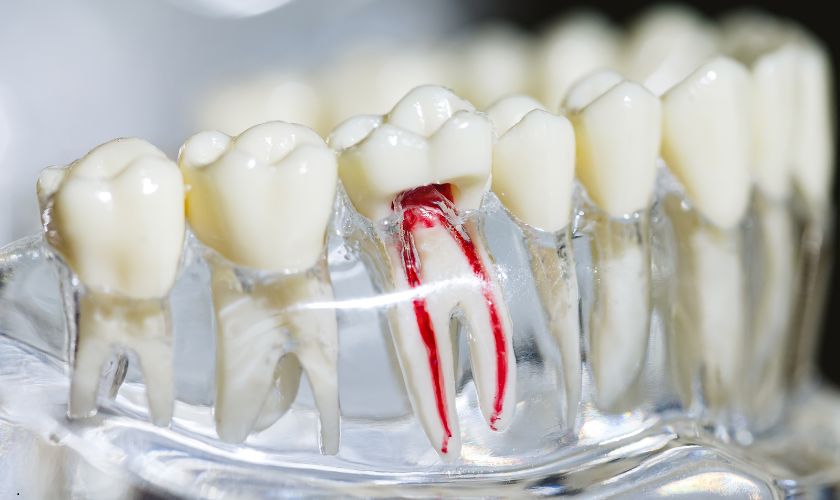
A toothache can be a disruptive and often agonizing experience. While most toothaches are temporary and respond to basic care, some require immediate attention. If you’ve previously undergone a root canal and are experiencing a severe toothache again, you might need emergency root canal retreatment. This blog explores the signs of a failing root canal, the urgency of retreatment, and what to expect during the procedure in Woodbridge.
Signs You Might Need Emergency Root Canal Retreatment:
Intense and Persistent Toothache: A severe, throbbing pain in the affected tooth, often radiating to the jaw or ear, is a telltale sign. Over-the-counter pain relievers might offer temporary relief, but the pain returns.
Sensitivity to Hot and Cold: Increased sensitivity to hot and cold beverages or food is another indicator of potential root canal failure.
Swelling and Inflammation: The gums around the affected tooth may become swollen and tender, sometimes accompanied by visible facial puffiness.
Pus Drainage: Drainage of pus from the tooth or gums suggests infection and requires prompt attention.
Why Emergency Root Canal Retreatment Might Be Necessary:
A root canal aims to remove infected pulp and nerve tissue from the tooth’s inner canal. If some infected tissue remains, bacteria can re-enter the canal, leading to persistent pain and inflammation. Other factors like a fractured tooth or a loose crown can also contribute to root canal failure.
Ignoring the signs of a failing root canal can worsen the infection and lead to complications, such as bone loss or even tooth loss. Therefore, seeking emergency root canal retreatment in Woodbridge becomes crucial to address the infection, alleviate pain, and save the tooth.
What to Expect During Emergency Root Canal Retreatment:
Initial Consultation: The dentist will examine the tooth, take X-rays, and confirm the need for retreatment. They will discuss the procedure and address any concerns you might have.
Anesthesia: Local anesthesia ensures your comfort during the retreatment.
Retreatment Procedure: The dentist will access the root canal, remove any remaining infected tissue, clean and disinfect the canal, and then seal it with a filling material. In some cases, additional medication may be placed to eliminate lingering infection.
Temporary Restoration: A temporary crown might be placed on the tooth to protect it until a permanent crown restoration can be created and fitted.
Following Up after Emergency Root Canal Retreatment:
Pain Management: The dentist will prescribe medication if necessary to manage any post-operative discomfort.
Oral Hygiene: Maintaining good oral hygiene, including regular brushing and flossing, is essential for healing and preventing future infections.
Follow-Up Appointment: Schedule a follow-up appointment to ensure proper healing and check on the temporary restoration.
Permanent Crown: During a subsequent appointment, the dentist will permanently restore the tooth with a custom-made crown.
Finding Emergency Root Canal Retreatment in Woodbridge:
Several dental practices in Woodbridge offer emergency dental services, including root canal retreatment. Look for practices with flexible scheduling options to accommodate your urgent needs. Reading online reviews and recommendations can also help you find a professional dentist in Woodbridge with experience in emergency root canal procedures.
Conclusion:
Experiencing a failing root canal can be stressful, but emergency root canal retreatment offers a viable solution to restore your oral health and save your tooth. By recognizing the signs and seeking prompt treatment, you can alleviate pain, prevent complications, and maintain a healthy smile.
FAQ – Emergency Root Canal Retreatment
Q: What are the risks associated with root canal retreatment?
A: As with any dental procedure, there are potential risks like temporary discomfort or minor bleeding. However, modern techniques minimize these risks. Discuss any concerns with your dentist.
Q: How long does emergency root canal retreatment take?
A: The duration can vary depending on the complexity of the case. In general, expect the procedure to take at least an hour.
Q: Will I need additional treatment after retreatment?
A: Depending on the case, additional procedures like a crown placement might be necessary. Your dentist will discuss the treatment plan with you.
Q: Can I prevent the need for root canal retreatment?
A: Practicing good oral hygiene, maintaining regular dental checkups and cleanings, and addressing any dental problems promptly can minimize the risk of needing retreatment.