12701 Marblestone Dr #260, Woodbridge, VA 22192

How Does An Endodontist Evaluate A Tooth?



When it comes to tooth pain or discomfort, many of us hope it is just a minor issue. However, if the pain persists or worsens, you should consult an endodontist for a thorough examination. They will assess the root cause and discuss the possible treatments for restoring oral health. So, what exactly happens during an endodontic evaluation? Let us break it down so you can feel more at ease during your visit to the clinic.
What Is The Role Of An Endodontist Professional?
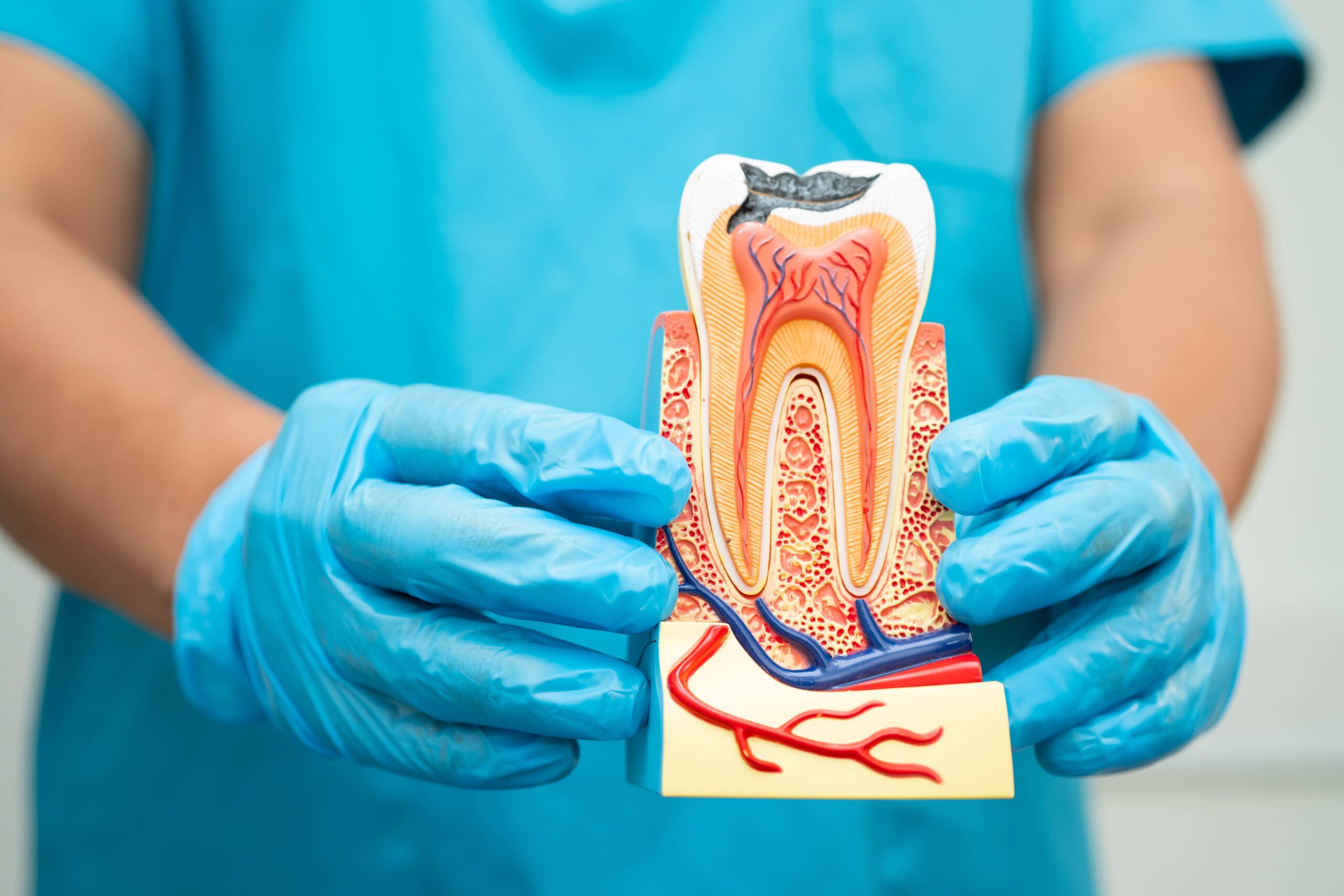
An endodontist is a dental specialist who focuses on diagnosing and treating problems related to the tooth’s pulp. This specifically includes the soft tissue inside the tooth, which consists of nerves and blood vessels. While general dentists handle basic procedures, a specialized root canal dentist addresses complex oral concerns. They are proficient in conducting root canal therapy, apicoectomy, and other procedures involving the tooth’s internal structures.
Their specialty focuses on saving your natural tooth structure until there is no other solution than extraction. They have the skills and tools to treat severe pain, trauma, and infections, preserving patients’ natural smiles.
The Step-By-Step Evaluation: What You Can Expect
If you have been referred to an endodontist in Woodbridge for treating your dental condition, here is what you can expect during your visit:
Initial Consultation
Your first appointment will begin with a thorough discussion about the symptoms. The professional will ask about your tooth pain, sensitivity to hot or cold temperatures, swelling, and any previous treatments. By understanding the history, it becomes easier to make an accurate diagnosis.
Diagnostic Tests
Root canal experts rely on various diagnostic tests to assess the condition of your tooth and its pulp. Common tests include:
✅X-rays: A standard X-ray will help learn about the tooth’s structure and its root.
✅Thermal and Percussion Tests: These are used to test the pulp’s health. Hot or cold stimuli will be applied to the tooth, and it will be tapped on to determine its tenderness.
✅CBCT Scans: If needed, a Cone Beam Computed Tomography (CBCT) scan will provide a 3D view of the oral structure and its surrounding tissues. It is beneficial if the issue is not visible through regular X-rays.
Whether it is deep within the pulp or affecting the surrounding bone, these analyses are crucial for locating the exact area of the problem. Accordingly, they will recommend treatments for quick relief.
Identifying Treatment Options
Once the examination is complete, the expert will present a treatment plan based on the findings. Common remedies include root canal therapy, where the pulp is removed, and an apicoectomy, a surgical procedure to remove the infected tip of the root while sealing it. You will have each option explained, ensuring that you have a clear understanding of the steps.
Why Would A Dentist Refer You To A Root Canal Specialist?
A dental care provider will be referring you to a specialized person under the following conditions:
✅Persistent Tooth Pain: If standard treatments do not resolve ongoing pain.
✅Advanced Evaluation: When cracks, infections, or nerve damage are suspected, necessitating a detailed assessment.
✅Root Canal or Surgery: Dental conditions that require root canal therapy for regaining tooth functionality.
Why Choose Parkway Smiles Dentistry for Expert Endodontic Treatment?
At Parkway Smiles Dentistry, we collaborate with experienced experts to deliver safe and effective treatments tailored to each patient’s unique needs. Our team utilizes the latest technology to ensure a precise diagnosis and develop tailored plans to address the root cause. Whether you are dealing with a tooth infection or need an in-depth consultation, we are here to guide you through the process with ease and care. Visit us today and discover how our team can help you achieve optimal oral health.