12701 Marblestone Dr #260, Woodbridge, VA 22192

How Long After a Bone Graft Can You Get Dental Implants?


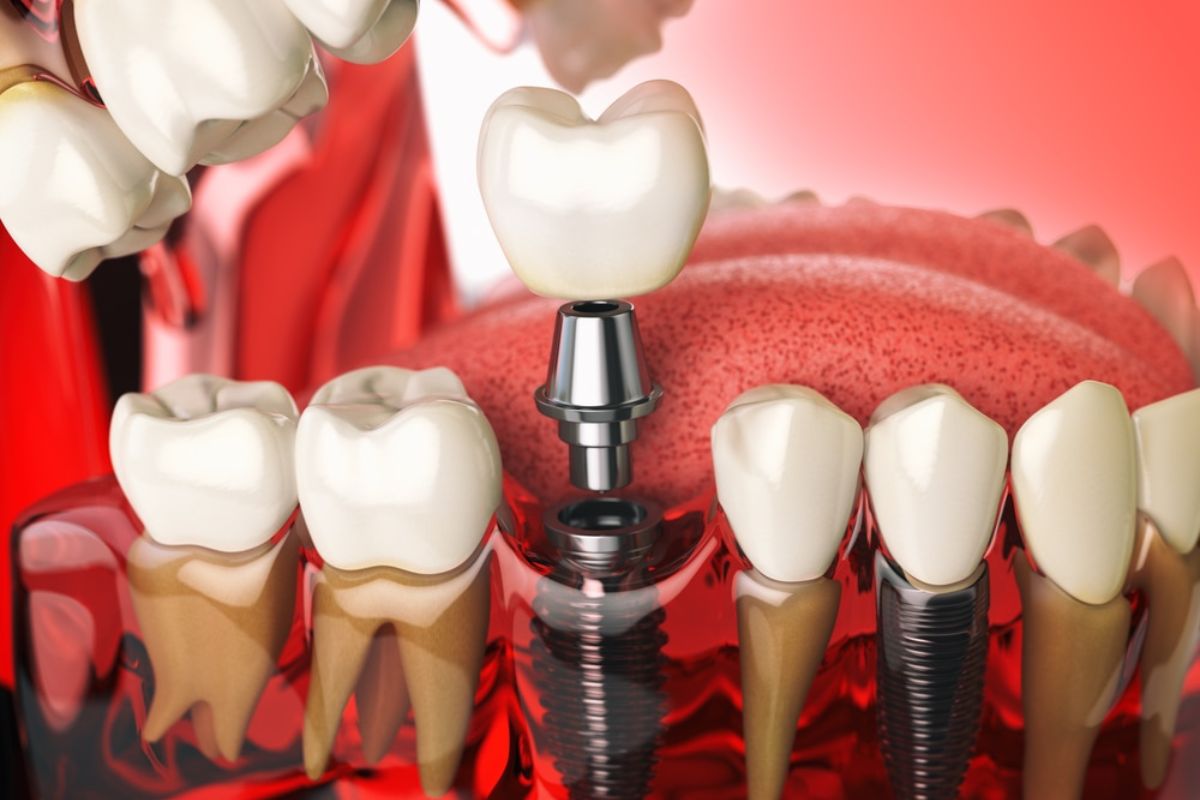
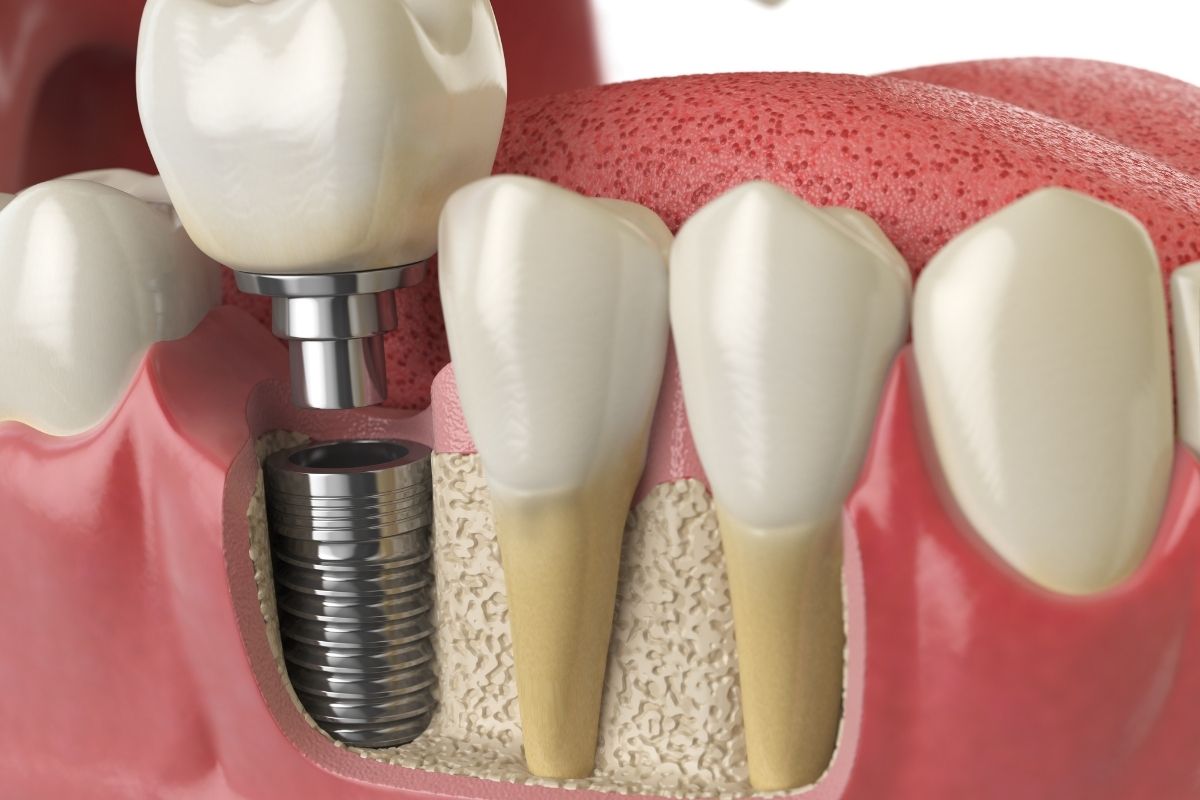
Missing teeth can affect your confidence, chewing ability, and oral health. Dental implants offer a natural, durable way to restore your smile if you’re looking for a long-lasting solution. But what happens if your jaw doesn’t have enough healthy bone to hold an implant securely? That’s where a bone graft comes in—a powerful procedure designed to rebuild and strengthen your jawbone, making implants possible.
One of the most common questions is, how long after a bone graft can you get dental implants? In this guide, we’ll break down the process so you know exactly what to expect on your journey to a complete, confident smile.
Understanding the Need for a Bone Graft
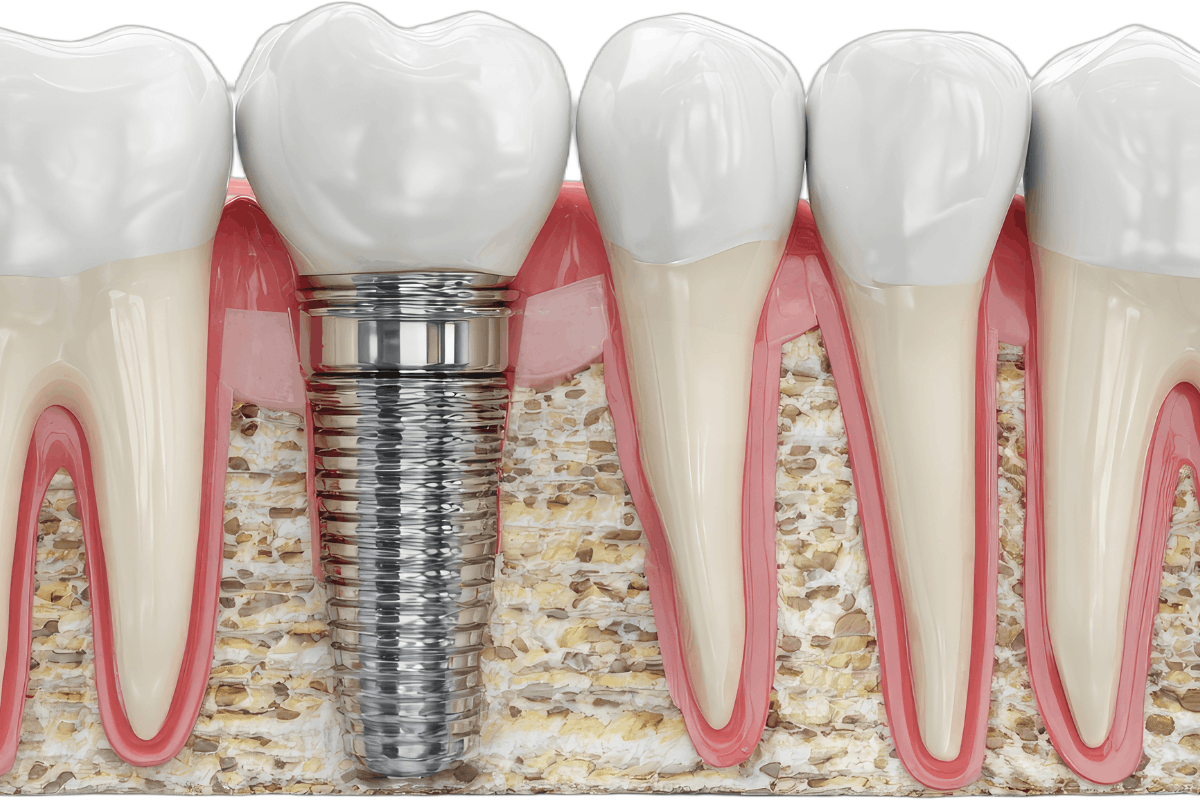
Your jawbone supports your teeth and provides stability for dental implants. If tooth loss, gum disease, or trauma has caused bone loss, your jaw may lack the density required to hold an implant securely. Bone grafting restores the lost bone structure, creating a stable foundation for the implant. The implant may fail to integrate without proper bone volume, leading to further dental issues.
Types of Bone Grafts and Their Timelines
Dentists perform several types of bone grafts, and the timeline depends on the method used:
◆ Autografts use bone harvested from your body, typically from the chin or hip. Autografts promote faster healing since they use your natural tissue.
◆ Allografts: These come from a human donor. They are commonly used and eliminate the need for a second surgical site.
◆ Xenografts: These use bone from an animal source, often bovine, and are processed for safe use.
◆ Alloplasts: These use synthetic materials to stimulate bone growth.
Each graft type has its own healing timeline, but the goal remains: build a strong, healthy jawbone to support your implant.
A Detailed Timeline for the Bone Graft Process
After the bone graft procedure, your body needs time to heal and integrate the new bone material. Generally, the timeline looks like this:
◆ Initial Healing (1 to 2 weeks): The graft begins to stabilize during this period. Your dentist may prescribe pain medication and antibiotics to prevent infection.
◆ Bone Integration (3 to 6 months): The graft gradually fuses with your existing jawbone. This phase is critical for successful implant placement. Most patients can expect to wait at least 4 to 6 months before proceeding.
◆ Maximum Time Before Implant (up to 12 months): In some complex cases, your dentist may recommend waiting up to a year. Understanding the maximum time between bone graft and dental implant helps ensure that the bone fully matures and provides a strong, stable foundation to support the dental implant long-term. This extended timeline reduces the risk of implant failure and promotes lasting results.
Essential Factors That Influence the Timeline
Several factors can speed up or delay your timeline, including:
◆ Overall Health: Conditions like diabetes or autoimmune disorders may slow healing.
◆ Smoking Habits: Smoking decreases blood flow and bone regeneration.
◆ Graft Size and Location: Larger grafts or those in challenging locations need more healing time.
◆ Age: Younger patients tend to heal faster than older adults.
Your dentist will monitor your progress using 3D imaging to confirm when the graft is ready for implant placement.
What to Expect During Recovery: Your Patient Guide
After the bone graft, expect mild swelling, bruising, and discomfort for several days. Following your dentist’s instructions is crucial to avoid complications. You should:
◆ Maintain a soft-food diet for the first few weeks.
◆ Avoid strenuous activities.
◆ Attend regular follow-up appointments to monitor healing.
Once your graft fully integrates, your dentist will schedule the dental implant procedure. The implant usually requires 3 to 6 months of healing before the final crown is placed.
Schedule Your Bone Graft or Implant Consultation in Woodbridge
Ready to rebuild your smile and boost your confidence? At Parkway Smiles Dentistry in Woodbridge, we specialize in providing expert care and advanced technology to guide you through every step of the dental implant after the bone graft process. Don’t let missing teeth hold you back any longer. Book your consultation today, and let us help you achieve a strong, beautiful smile that lasts a lifetime.
Frequently Asked Questions (FAQ)
Q: Can I get a dental implant immediately after a bone graft?
A: No, you typically need to wait at least 4 to 6 months for the bone to integrate before placing the implant.
Q: What happens if I rush the implant placement?
A: Rushing can lead to implant failure due to insufficient bone support, increasing the risk of complications.
Q: How can I speed up healing after a bone graft?
A: Maintain excellent oral hygiene, avoid smoking, follow your dentist’s advice, and eat a nutritious, soft-food diet.