12701 Marblestone Dr #260, Woodbridge, VA 22192

Does Invisalign Hurt? Tips to Manage Discomfort During Treatment



A straighter smile is a confidence booster, and Invisalign has become a leading choice for people who want discreet orthodontic care. Unlike traditional metal braces, Invisalign uses clear aligners that are nearly invisible and removable.
While the treatment is designed to be more comfortable, many patients still wonder: Does Invisalign hurt? The honest answer is that mild discomfort is regular but temporary and manageable. This blog explains what to expect and offers tips for reducing soreness during your Invisalign journey.
How Invisalign Treatment Works
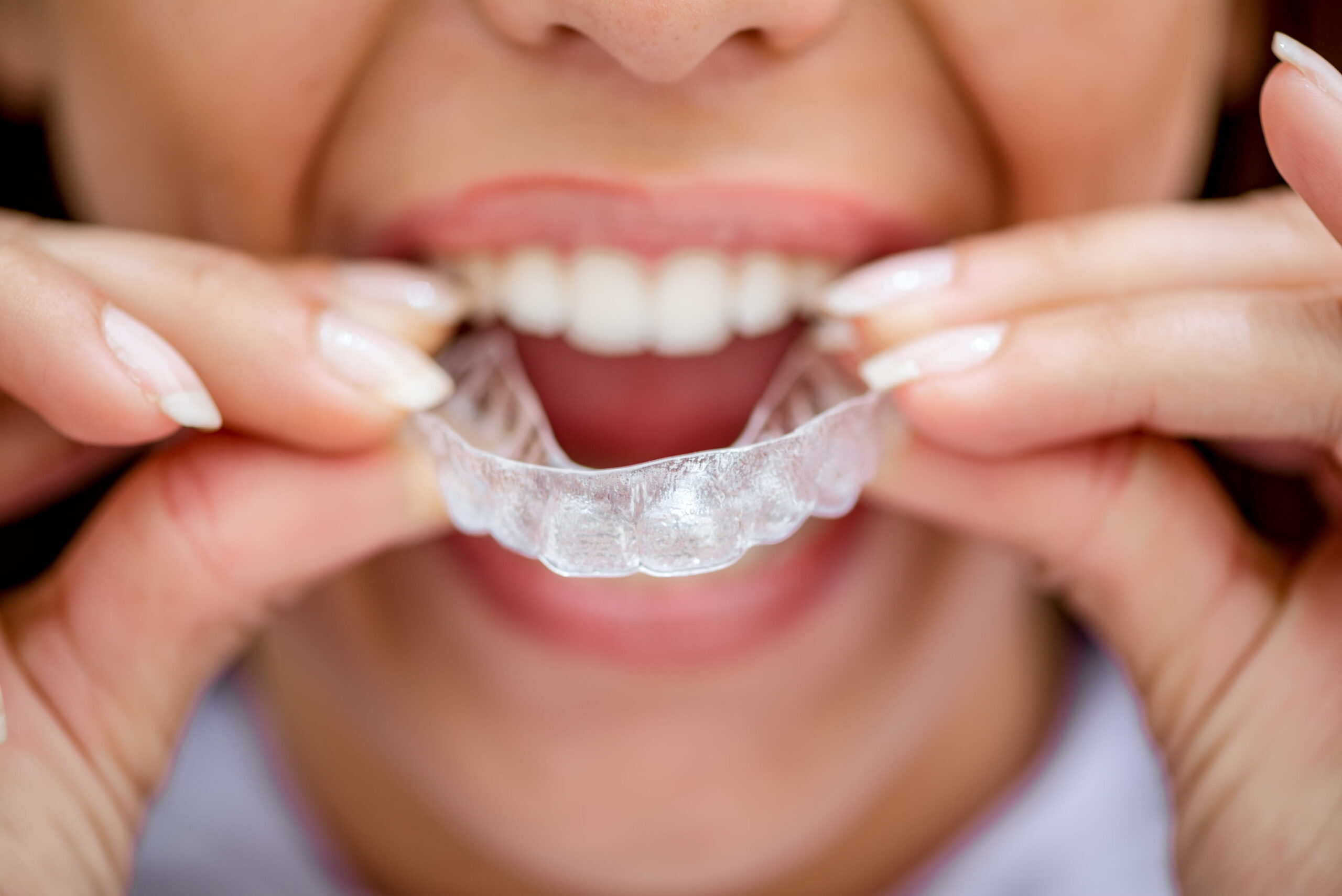
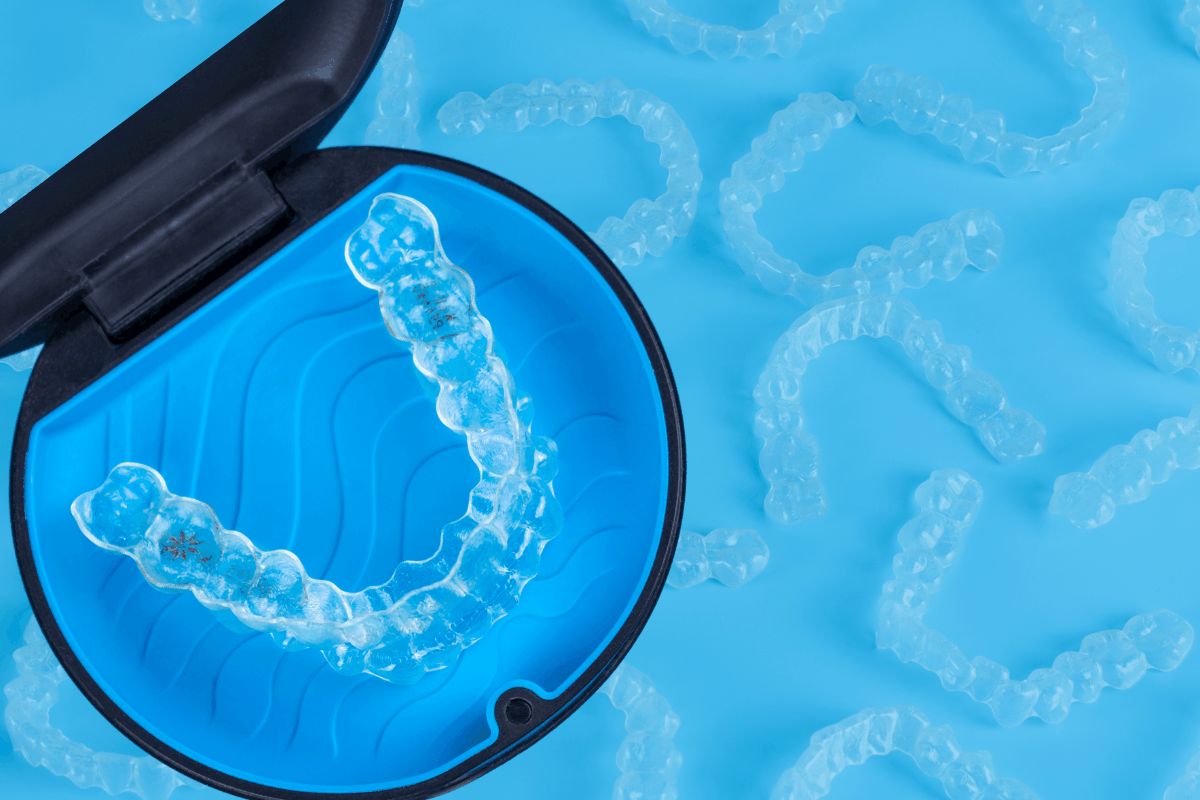
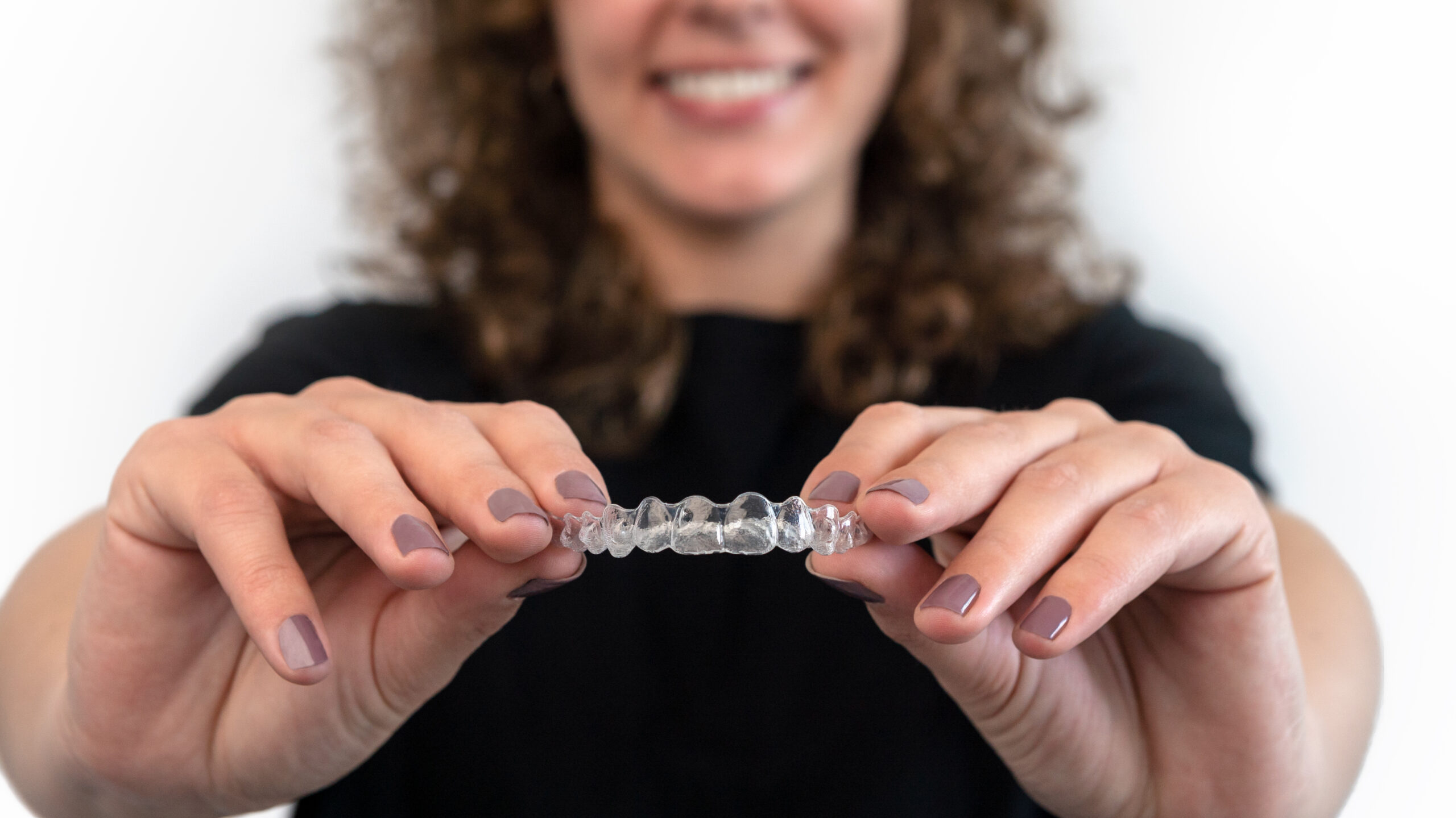
Invisalign treatment straightens teeth using a series of custom-made, clear aligners. Each aligner gently shifts teeth into their proper position over time. Patients wear the aligners for 20–22 hours daily, switching to a new set every 1–2 weeks. Unlike traditional braces, Invisalign is removable, making eating, brushing, and flossing easier. Regular check-ins with your dentist ensure progress stays on track, delivering a discreet, comfortable, and effective teeth-straightening solution.
Does Invisalign Cause Pain?
Like any orthodontic treatment, Invisalign applies gentle pressure to move teeth. This pressure causes some soreness, especially when starting a new aligner. The discomfort level varies among individuals, depending on factors like pain tolerance and the complexity of tooth movement needed.
When Is Discomfort Most Noticeable?
✅ First Few Days of Treatment: It’s common to feel mild soreness as your teeth adjust.
✅ After switching aligners, each new set of trays can bring a temporary period of sensitivity.
✅ During Biting or Chewing: Your teeth may feel tender, especially in the first few days of a new aligner.
The good news is that this discomfort usually fades within a few days, and most patients find Invisalign less painful than traditional braces since there are no wires or brackets to irritate the mouth.
Why does Invisalign discomfort happen?
The soreness of these aligners is a direct sign that your treatment is working. Aligners apply controlled pressure to guide teeth into their new positions. This shifting naturally causes temporary inflammation in the gums and ligaments. Some patients may also notice slight gum or cheek irritation from the edges of the trays. However, this is less common compared to braces.
Tips to Manage Invisalign Discomfort
Here are proven strategies to ease soreness and make your treatment more comfortable:
✅ Use Cold Therapy: Sip chilled water, eat cold foods, or apply an ice pack to reduce inflammation.
✅ Take OTC Pain Relievers: Ibuprofen or acetaminophen can help during the adjustment period.
✅ Eat Soft Foods: Stick to yogurt, smoothies, eggs, or pasta when switching aligners.
✅ Avoid Hard or Crunchy Foods: They may increase pressure on tender teeth.
✅ Try Aligner Chewies: These small foam cylinders help seat aligners properly, reducing uneven pressure.
✅ Apply Orthodontic Wax: A small wax layer can relieve pressure if aligners rub against your gums or cheeks.
✅ Stay on Top of Oral Hygiene: Clean aligners and teeth thoroughly to prevent irritation from plaque buildup.
✅ Moisturize Lips: Lip balm can help with dryness from frequent aligner wear.
Most importantly, stay consistent. The soreness lessens as your teeth adjust to each new tray.
When to Contact Your Invisalign Dentist?
Minor soreness is expected, but you should reach out to your dentist if:
✅ The pain is severe or doesn’t improve after a few days.
✅ Aligners feel like they don’t fit properly.
✅ You notice sharp edges or cracks in the trays.
Your provider may make minor adjustments to improve comfort and ensure your treatment is on track.
FAQs
1. How long does Invisalign discomfort last?
A: Most people experience mild soreness for the first 2–3 days after switching to a new set of aligners. The discomfort usually subsides as your teeth adjust.
2. Is Invisalign more painful than braces?
A: No. Invisalign is generally less painful than braces, with gentler pressure and no sharp wires or brackets.
3. What helps reduce Invisalign discomfort?
A: Cold compresses, orthodontic wax, chewies, over-the-counter pain relief, soft foods, and consistent wearing of aligners can effectively ease discomfort.
If you are considering Invisalign, do not let worries about discomfort hold you back. The process is smooth, effective, and rewarding with reliable guidance and the right strategies.
Take control of your smile with expert Invisalign care in Woodbridge. Schedule a one-on-one consultation with our Invisalign dentist to explore a customized treatment plan and discover the benefits of clear, removable aligners. Your perfect smile is just an appointment away.