12701 Marblestone Dr #260, Woodbridge, VA 22192

The Role of Bone Density in Dental Implant Placement: What You Should Know


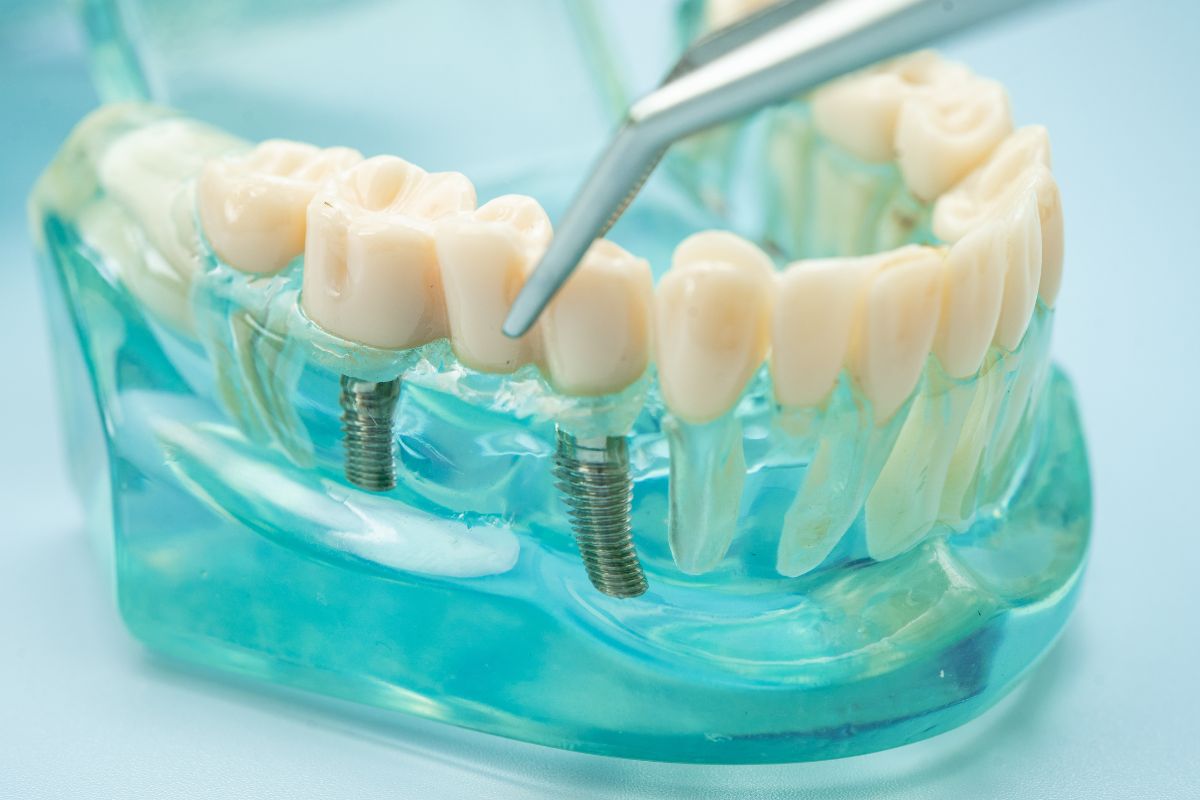
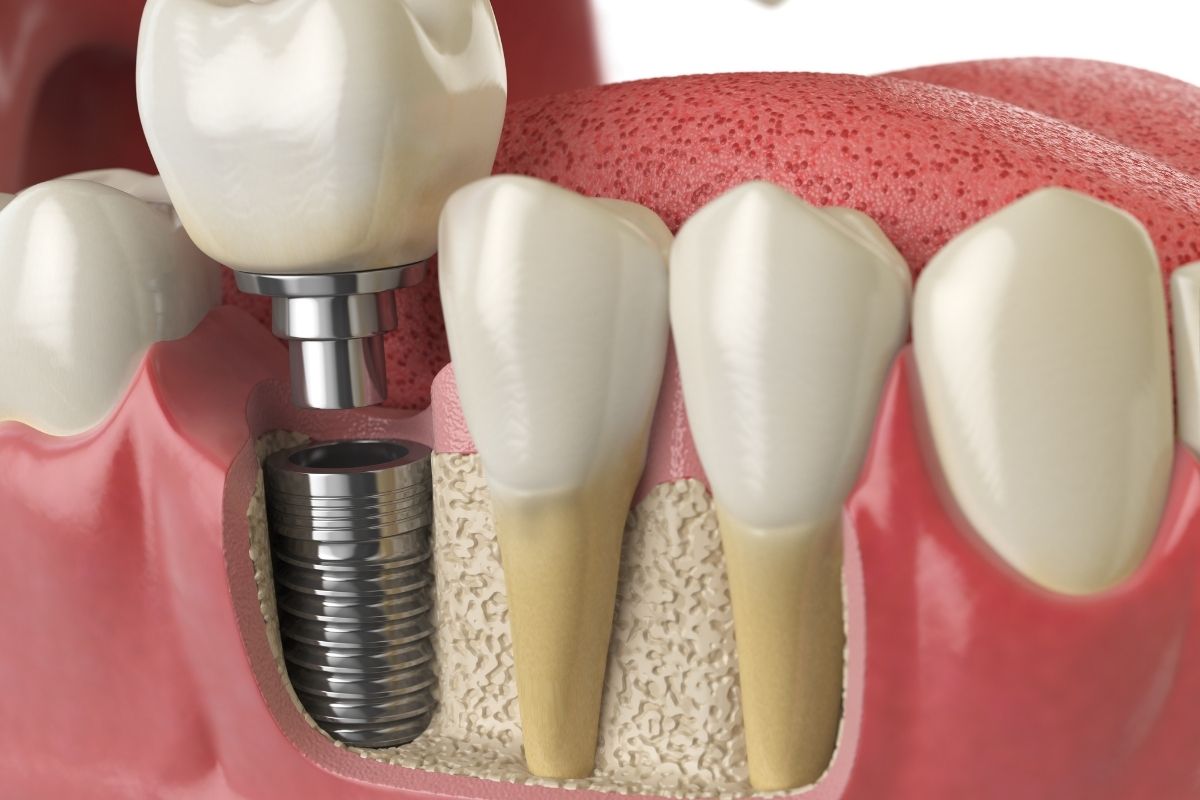
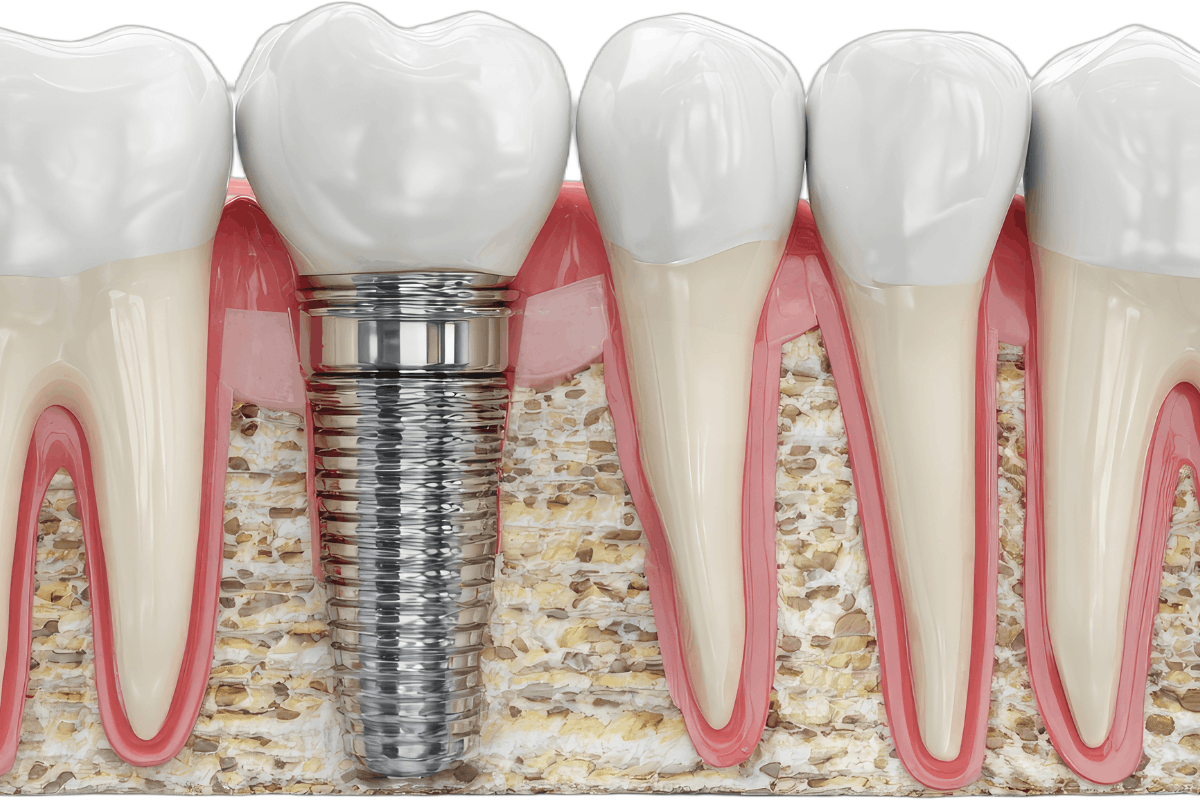
Dental implants are a popular and effective solution for replacing missing teeth, but their success largely depends on the quality of your jawbone. One of the most critical factors is bone density, which determines how well an implant fuses with your bone, a process called osseointegration. Understanding bone density, how it’s measured, and what you can do if your bone density isn’t ideal can make all the difference in achieving long-lasting results.
Why Bone Density Matters for Dental Implants
Bone density refers to the strength and thickness of your jawbone. When density is sufficient, dental implants can securely anchor, providing stability and longevity. Low bone density, on the other hand, increases the risk of implant failure or complications. That’s why assessing bone health is one of the first steps in the implant process.
One significant benefit of dental implants for jawbone density is that they stimulate the jawbone during chewing, which helps prevent bone loss over time. Unlike dentures, which can accelerate bone resorption, implants maintain bone structure and support oral health.
Bone Density Classification: D1 to D4
Dentists classify jawbone density into four main types:
- D1 – Very dense bone, usually in the front of the lower jaw; ideal for implants.
- D2 – Dense bone with some flexibility; excellent implant success rates.
- D3 – Softer bone; implants may require additional support or healing time.
- D4 – Very soft bone, typically in the upper back jaw; may need bone augmentation before implants.
Knowing your bone type helps your dentist plan the best approach for your implant procedure.
Diagnosing Bone Density
Modern dental practices use advanced imaging techniques to evaluate bone health:
✅ Cone Beam Computed Tomography (CBCT) Scans—Provide detailed 3D images of your jaw and surrounding structures, allowing precise planning.
✅ Panoramic X-Rays—Give a general overview of bone structure but are less detailed than CBCT.
These diagnostics ensure your implants are placed in the optimal position for long-term stability.
What If Your Bone Density Is Low?
If your jawbone lacks sufficient density, several solutions can help:
✅ Bone Grafting – Adds new bone material to strengthen areas with low density.
✅ Sinus Lifts—These are often used for upper jaw implants to create enough bone height.
✅ Alternative Implants—Options like zygomatic or subperiosteal implants are designed for patients with low bone density.
Your dentist will recommend the best approach based on your bone health, age, and overall medical condition.
Medications and Lifestyle Considerations
Certain medications, such as bisphosphonates prescribed for osteoporosis, can affect bone healing. Additionally, lifestyle factors like smoking, poor diet, and chronic health conditions can compromise bone density. Discussing your medications and lifestyle habits with your dentist is essential for a safe and successful implant procedure.
Maintaining Healthy Bones After Implants
Even after implants are placed, ongoing care is crucial:
✔️ Regular Dental Check-Ups—Help monitor bone stability and implant health.
✔️ Good Oral Hygiene Prevents gum disease, which can weaken the bone around implants.
✔️ Healthy Diet—Calcium- and vitamin D-rich foods support bone strength.
Long-term monitoring ensures your implants remain secure for years to come.
Bone density is more than just a number—it directly affects the success and longevity of your dental implants. From advanced imaging and bone grafting to lifestyle adjustments and alternative implants, there are multiple ways to ensure a stable foundation for your smile.
Experience Expert Dental Implant Care in Woodbridge
Ready to transform your smile? Our expert team at Parkway Smiles Dentistry in Woodbridge specializes in dental implants and bone health solutions tailored just for you. Don’t wait—schedule your consultation today and take the first step toward a stronger, healthier, and more confident smile!