12701 Marblestone Dr #260, Woodbridge, VA 22192

Teeth Whitening for Smokers: Techniques to Remove Tobacco Stains



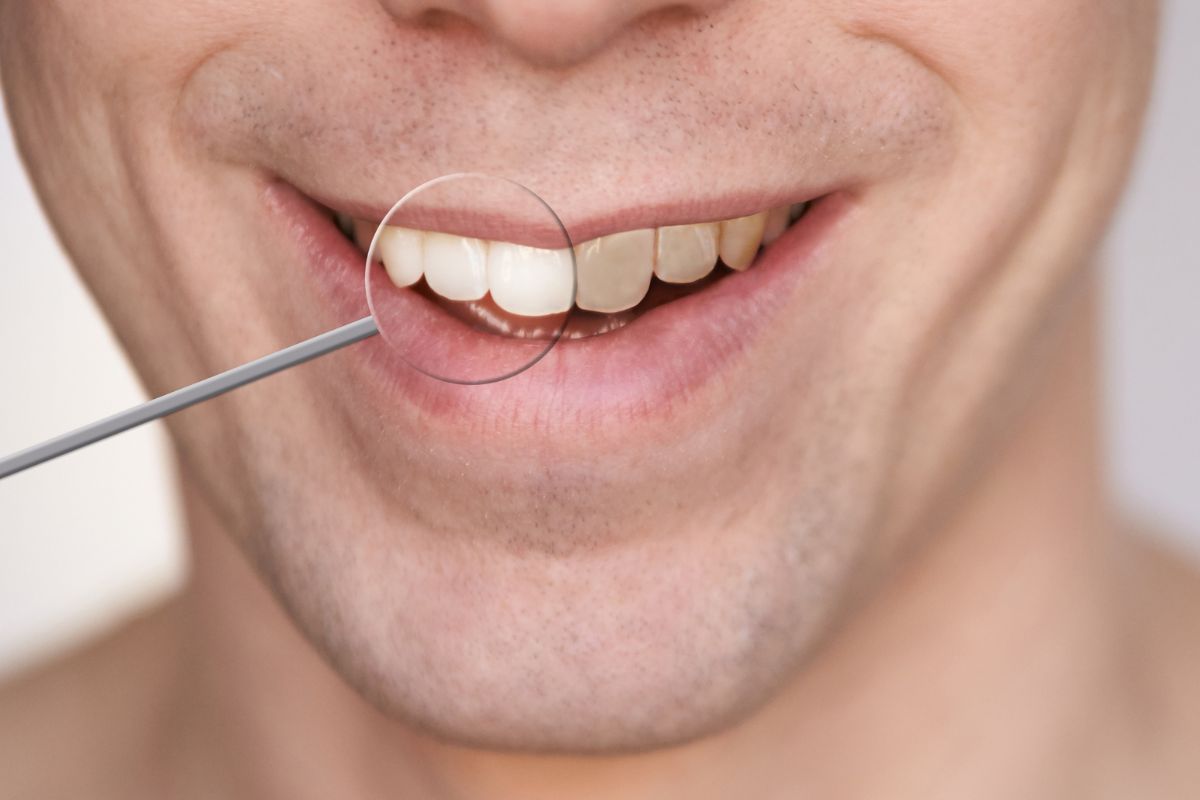
Smoking can leave your teeth looking yellow or brown, even when you brush every day. The good news is that teeth whitening for smokers can help reduce tobacco stains and brighten natural teeth. However, the right treatment depends on how deeply the stains have developed, your dental health, and whether you continue to smoke.
If you want a brighter smile, understanding your options is the first step. At Parkway Smiles Dentistry, patients can explore professional teeth whitening in Woodbridge, VA to find an approach suited to their smile and cosmetic goals.
Does Teeth Whitening Remove Smoking Stains?
Yes, teeth whitening can reduce many smoking-related stains, but results vary depending on the type and severity of discoloration. Surface stains may improve with professional cleaning, while deeper discoloration may respond to peroxide-based whitening treatments.
Tobacco contains substances that contribute to yellow and brown deposits on teeth. Over time, repeated exposure can make discoloration more noticeable and difficult to manage with brushing alone.
It is important to distinguish between surface stains and discoloration within the tooth. A dental cleaning can remove plaque, tartar, and some external stains, but it does not bleach the natural color of the tooth. Whitening treatments use ingredients such as hydrogen peroxide or carbamide peroxide to lighten natural tooth discoloration.
A dentist can examine your teeth and determine whether a cleaning, professional whitening, or another cosmetic treatment is appropriate.
What Is the Best Teeth Whitening Method for Smokers?
The best option depends on your staining, sensitivity, dental health, budget, and desired results. Here are the main approaches to consider.
1. Professional In-Office Teeth Whitening
Professional whitening is worth considering if tobacco stains are noticeable or over-the-counter products have not delivered the results you want.
At Parkway Smiles Dentistry, available whitening options include Philips Zoom and Opalescence Boost. These professional systems use peroxide-based whitening agents to lighten natural teeth under dental supervision.
A typical treatment involves assessing your oral health, protecting the surrounding soft tissues, and applying the whitening product according to the system’s instructions.
Best for: Patients seeking a professionally supervised treatment for visible discoloration.
What to know: Results vary, and some people experience temporary tooth sensitivity or gum irritation. Your dentist can discuss the expected outcome and whether treatment is appropriate for you.
2. Dentist-Supervised Take-Home Whitening Trays
Custom take-home whitening trays provide another option for patients who prefer to whiten their teeth gradually.
A dentist can recommend an appropriate whitening gel and explain how long and how often to use it. Custom trays are designed to fit your teeth and help deliver the product as directed.
Best for: Patients who prefer a gradual whitening routine or need a dentist-guided maintenance option.
What to know: Results depend on the product, consistency of use, and type of discoloration. Follow your dentist’s instructions rather than increasing the application time to speed up results.
3. Over-the-Counter Whitening Products
Whitening strips and other retail products may help lighten some tobacco-related discoloration. Whitening toothpaste can also help remove certain surface stains through polishing ingredients.
However, these products do not all work the same way. Toothpaste mainly targets external stains, while peroxide-based strips can bleach natural teeth.
Best for: People with mild discoloration who want a convenient, lower-cost starting point.
What to know: Stubborn stains may not respond as expected. Stop using a product if it causes significant irritation or sensitivity, and consult a dentist before continuing.
Why Are Tobacco Stains So Difficult to Remove?
Tobacco stains can become more noticeable through repeated exposure to smoke and the accumulation of surface deposits. Brushing removes plaque and food debris, but it may not fully eliminate established discoloration.
Several factors affect how difficult stains are to treat:
- Duration of tobacco use: Repeated exposure over time can make discoloration more pronounced.
- Oral hygiene: Plaque and tartar can contribute to a dull or stained appearance.
- Other staining habits: Coffee, tea, and other dark beverages may contribute additional discoloration.
- Existing dental conditions: Cavities, gum disease, exposed roots, and worn enamel may affect your treatment options.
- Previous dental work: Crowns, veneers, and tooth-colored fillings do not whiten like natural teeth.
A professional examination helps identify the cause of discoloration before you invest in a whitening treatment.
How Can You Keep Teeth Whitening Results Longer if You Smoke?
Whitening does not prevent new stains from forming. Continued tobacco exposure can gradually discolor your teeth again, so maintenance is important.
To help preserve your results:
- Brush twice daily: Use a soft-bristled toothbrush and fluoride toothpaste. Brush gently rather than scrubbing harder to remove stains.
- Clean between your teeth: Floss or use an appropriate interdental cleaner daily to remove plaque from areas your toothbrush misses.
- Rinse with water: Rinsing after smoking or drinking coffee can help clear some residue from your mouth, although it will not prevent all staining.
- Limit additional staining habits: Frequent coffee, tea, and other dark beverages may contribute to discoloration.
- Schedule regular dental cleanings: Professional cleanings help remove plaque, tartar, and external stains that home care cannot fully address.
- Follow your whitening maintenance plan: Ask your dentist whether and when touch-up treatments are appropriate.
Quitting tobacco is the most effective way to eliminate ongoing tobacco exposure and offers important benefits beyond your smile. If you are considering quitting, a healthcare professional can help you explore available support.
Is Teeth Whitening Safe for Smokers?
Teeth whitening can be appropriate for many adults who smoke, but a dental evaluation is important before treatment.
Whitening may cause temporary sensitivity or irritation of the gums. Existing cavities, gum problems, cracks, or other dental conditions may need attention first. A dentist can also help determine whether your discoloration is likely to respond to bleaching.
Avoid trying to remove tobacco stains with harsh scrubbing, undiluted hydrogen peroxide, or homemade abrasive mixtures. These approaches may irritate oral tissues or damage teeth when used improperly.
If you already have veneers, crowns, or fillings on visible teeth, discuss them before whitening. Bleaching changes the color of natural teeth but does not lighten these restorations, which can result in a noticeable shade difference.
How Long Does Teeth Whitening Last for Smokers?
There is no single timeline that applies to every smoker. Whitening results depend on the treatment used, the original tooth shade, oral hygiene, diet, and continued tobacco exposure.
People who continue smoking may notice new stains sooner than those who stop. Professional whitening can improve the appearance of existing discoloration, but it cannot permanently prevent future stains.
Rather than repeating whitening treatments whenever your teeth look dull, ask your dentist how to maintain your results without overusing whitening products. The appropriate interval depends on your teeth and the treatment you received.
When Should You See a Dentist About Tobacco-Stained Teeth?
Consider a dental appointment if your teeth remain yellow or brown despite regular brushing, you have heavy tartar buildup, or store-bought whitening products have not helped.
You should also seek an examination if discoloration affects only one tooth, appears suddenly, or occurs alongside pain, swelling, bleeding gums, or unusual sensitivity. These symptoms may require more than cosmetic treatment.
At Parkway Smiles Dentistry, you can discuss your concerns and learn whether professional whitening or another approach is suitable. Explore our cosmetic dentistry services in Woodbridge to learn more about options for improving your smile.
Get Professional Teeth Whitening for Tobacco Stains in Woodbridge, VA
Tobacco stains do not automatically mean you have to live with a discolored smile. The right treatment may help lighten existing stains, while consistent oral hygiene and appropriate maintenance can help you preserve the results.
Visit Parkway Smiles Dentistry, we offer professional teeth whitening options, including Philips Zoom and Opalescence Boost, for patients interested in a brighter smile.
Ready to explore your options? Contact Parkway Smiles Dentistry to schedule a consultation and discuss teeth whitening in Woodbridge, VA.
Frequently Asked Questions
Can smokers get their teeth professionally whitened?
Yes. Many smokers can undergo professional whitening after a dentist evaluates their teeth and gums. Results depend on the type of stains, dental health, and continued tobacco exposure.
Does whitening toothpaste remove nicotine stains?
Whitening toothpaste can help remove some surface stains, but it may not sufficiently improve deep or long-standing discoloration. A dental cleaning or peroxide-based whitening treatment may be more appropriate.
Can I whiten my teeth if I still smoke?
Yes, whitening may still improve the appearance of your natural teeth. However, continued smoking can cause new stains to develop, making maintenance more challenging.
Will whitening damage my enamel?
Whitening products used as directed are generally well tolerated, but temporary sensitivity and gum irritation can occur. Consult a dentist before treatment, especially if you have existing dental problems or sensitivity.
Can whitening remove stains from crowns or veneers?
No. Whitening products lighten natural teeth but do not change the color of crowns, veneers, or fillings. Your dentist can explain how to manage differences in shade between natural teeth and restorations.