
12701 Marblestone Dr #260, Woodbridge, VA 22192

What Is Oral Cancer? A Guide To Symptoms And Causes


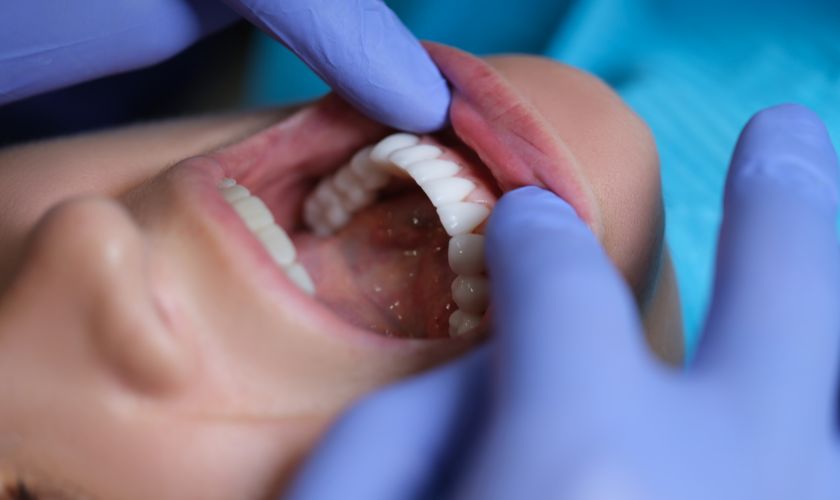
Oral cancer, also known as mouth cancer, is a serious condition that affects the tissues of the mouth and throat. While not as common as other cancers, early detection is crucial for successful treatment. This blog post, brought to you by your Woodbridge dentist, aims to shed light on oral cancer, its symptoms, causes, risk factors, and frequently asked questions. By understanding these aspects, you can be empowered to take charge of your oral health.
Symptoms of Oral Cancer:
Pay close attention to any changes in your mouth that persist for more than two weeks. Here are some common symptoms of oral cancer:
Mouth sores that don’t heal
Lumps in the mouth or neck
White or red patches on the gums, tongue, or inner cheeks
Difficulty chewing, swallowing, or speaking
Numbness in the mouth
Unexplained loose teeth
Persistent earache
Causes and Risk Factors of Oral Cancer:
The exact cause of oral cancer is unknown, but several factors can increase your risk. Here’s a breakdown of some prominent causes and risk factors:
Tobacco Use: Smoking, chewing tobacco, and smokeless cigarettes are major risk factors.
Alcohol Consumption: Excessive alcohol consumption, especially when combined with tobacco use, significantly elevates risk.
Human Papillomavirus (HPV): Certain strains of HPV are linked to oral cancer, particularly oropharyngeal cancer (cancer of the back of the throat).
Sun Exposure: Overexposure to the sun can increase the risk of lip cancer.
Weakened Immune System: Conditions like HIV/AIDS or medications that suppress the immune system can make you more susceptible.
Early Detection is Key:
Oral cancer is highly treatable when detected early. Regular dental checkups with your Woodbridge dentist are vital for early detection. During these checkups, your dentist will perform a thorough oral cancer screening, which may include a visual examination and a painless palpitation of the mouth and neck.
Here are Tips for Maintaining Good Oral Health:
Practice good oral hygiene: Twice a day, brush your teeth, and floss every day.
Schedule regular dental checkups and cleanings: These appointments allow your dentist to identify any potential issues early on.
Limit tobacco and alcohol use: Quitting smoking and reducing alcohol consumption significantly reduces your risk.
Maintain a healthy diet: Choose a nutritious diet rich in fruits and vegetables.
Protect your lips from the sun: Use a lip balm with SPF when outdoors.
FAQs about Oral Cancer:
Q: Can oral cancer be prevented?
While there’s no guaranteed way to prevent oral cancer, adopting the healthy habits mentioned above can significantly reduce your risk.
Q: Is oral cancer curable?
The success rate of oral cancer treatment depends heavily on early detection. Prompt identification considerably enhances the likelihood of recovery.
Q: What are the treatment options for oral cancer?
Treatment options for oral cancer vary depending on the stage and location of the cancer. Radiation therapy, chemotherapy, targeted therapy, and surgery are a few frequent treatments.
Conclusion:
By understanding the risk factors, symptoms, and importance of early detection, you can take control of your oral health and reduce your risk of oral cancer. Schedule an appointment with your Woodbridge dentist today for a comprehensive oral cancer screening and discuss any concerns you may have. Always remember that effective therapy depends on early discovery.