12701 Marblestone Dr #260, Woodbridge, VA 22192

Why Does My Tooth Hurt When I Bite Down? 5 Possible Causes & Solutions


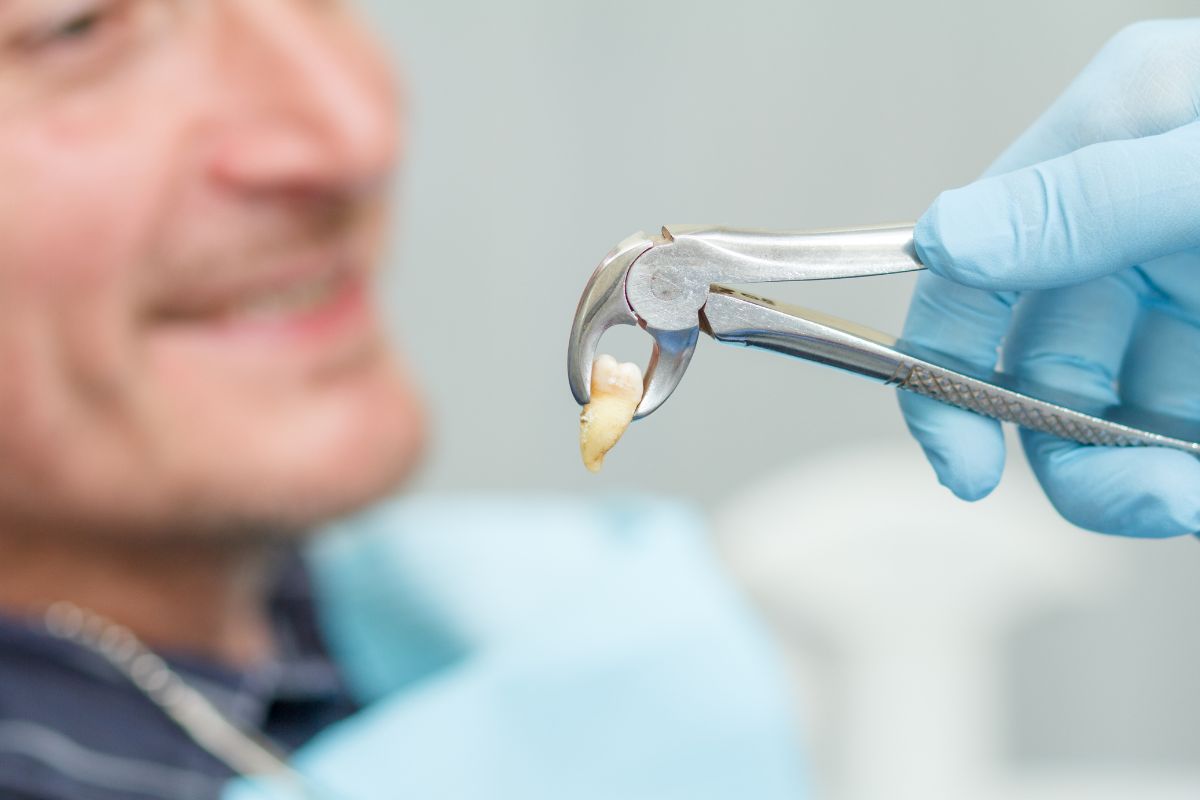
You take a bite of food, and there it is, a sharp pain in your tooth. It may come and go, or it may stay for a while. Many people ignore this at first, but pain while biting is a sign you should not ignore.
If you’ve been delaying your dental visits or putting off your next Dental Checkups, this is your reminder to pay attention. A trusted dentist can help find the cause early and save you from bigger problems.
Let’s break down what might be going on and what you can do about it.
Meet the Care Behind Your Smile

At Parkway Smiles Dentistry, care is built on trust and simple communication. Dr. Su-En Thlick, DMD, started her practice with a clear goal: to help families feel at ease when they visit a dentist.
Her focus is simple. Catch small issues early through regular Dental Checkups and guide patients in a way that feels clear and calm. Many patients come in with pain while biting, not knowing the cause. With the right care and regular dental visits, these issues are often managed early.
If your tooth hurts when you bite, a quick call can help you understand what’s going on before it gets worse.
What Causes Tooth Pain When You Bite Down?
Pain when biting usually occurs when pressure irritates a tooth, its inner pulp, the supporting tissues around its root, or the surrounding gums. The discomfort may feel sharp, dull, throbbing, or similar to a bruise.
Here are eight possible causes.
1. A Cracked or Fractured Tooth
A cracked tooth is one possible explanation for sharp pain when biting down or releasing your bite. Small cracks can be difficult to see, and you may not notice any damage when looking in the mirror.
When you chew, pressure can cause the cracked parts of the tooth to move slightly, irritating the tissues inside. You may experience pain when biting on hard foods, discomfort that comes and goes, or sensitivity to hot and cold temperatures.
What helps? Treatment depends on the location and severity of the crack. A dentist may recommend a filling, crown, or root canal treatment if the pulp is affected. Some severe fractures cannot be repaired, making extraction necessary.
Avoid chewing hard foods on the affected side until the tooth has been evaluated.
2. Tooth Decay or a Cavity
A cavity can weaken the tooth and make it sensitive to pressure. Early tooth decay may not cause noticeable symptoms, but as the damage progresses, you may experience pain when chewing or sensitivity to sweets, hot foods, or cold drinks.
If decay reaches the pulp—the soft tissue containing nerves and blood vessels inside the tooth—it can cause more persistent pain and inflammation.
What helps? A small cavity may be treated with a filling. More advanced decay may require a crown or root canal treatment, depending on how much tooth structure remains and whether the pulp is damaged.
Prompt evaluation can help prevent the problem from progressing.
3. A Loose or Damaged Filling or Crown
If a tooth hurts when you bite down after receiving a filling or crown, the restoration may be too high, loose, cracked, or otherwise damaged.
A restoration that sits too high can make one tooth absorb more biting force than the surrounding teeth. A damaged restoration may also expose sensitive tooth structure or allow bacteria to enter beneath it.
You might notice that the treated tooth seems to touch first when you close your mouth or feels sore during meals.
What helps? Your dentist can check your bite and examine the restoration. A minor bite adjustment may resolve discomfort caused by an uneven restoration. If the filling or crown is damaged, it may need repair or replacement.
Do not try to adjust a filling or crown yourself.
4. Inflammation or Infection Inside the Tooth
The pulp inside a tooth can become inflamed or infected because of deep decay, a crack, trauma, or previous dental problems. When the inflammation extends to the tissues around the root, biting pressure may become painful.
Possible symptoms include lingering sensitivity to hot or cold, spontaneous toothache, pain that interferes with sleep, or tenderness when chewing.
An infection may also cause swelling, a bad taste, or a small bump on the gum near the affected tooth. However, not every infected tooth produces all these symptoms.
What helps? A dentist may recommend root canal treatment to remove infected or irreversibly inflamed pulp and preserve the tooth. If an abscess is present, the infection also needs appropriate treatment and drainage when indicated.
Seek prompt dental care for suspected infection, especially if pain is worsening or swelling develops.
5. Gum Disease or Inflammation Around the Tooth
Tooth pain when chewing does not always originate inside the tooth. Inflamed gums and periodontal tissues can make the area around a tooth tender when pressure is applied.
Gum disease may cause redness, bleeding during brushing, persistent bad breath, gum recession, or loose teeth in more advanced cases. Food trapped beneath the gum can also cause localized soreness.
What helps? Treatment depends on the cause and severity. Your dentist may recommend professional cleaning, periodontal treatment, removal of trapped debris, or additional care for a tooth with compromised support.
Good daily oral hygiene and regular dental examinations help identify gum problems before they become more advanced.
6. An Uneven Bite or Excessive Biting Pressure
Sometimes a tooth hurts when you bite down because it is receiving more force than it should. This can happen after a new filling or crown, or when clenching and grinding repeatedly overload the teeth.
The discomfort may feel like a bruise and may be more noticeable when chewing. Several teeth may feel sore, particularly after waking up if you grind your teeth during sleep.
What helps? A dentist can examine how your teeth meet and determine whether a restoration needs adjustment. If grinding or clenching is contributing to the problem, a custom night guard may help protect your teeth.
Avoid assuming that every sore tooth needs a filling or root canal. The source of the pressure needs to be identified first.
7. Gum Recession and Exposed Tooth Roots
Your tooth roots are normally protected by gum tissue. When gums recede, the exposed root surface can become sensitive because it does not have the same protective enamel covering as the crown of the tooth.
You may experience a brief, sharp sensation when chewing or when food, cold drinks, or hot beverages touch the exposed area. Aggressive brushing, gum disease, and other factors can contribute to recession.
What helps? Your dentist can determine whether the sensitivity comes from exposed roots, decay, a crack, or another problem. Depending on the cause, treatment may include desensitizing toothpaste, fluoride products, protective dental materials, or gum treatment.
Use a soft-bristled toothbrush and avoid aggressive scrubbing.
8. Sinus Pressure or Referred Pain
Not every toothache comes from a problem with the tooth itself. Sinus inflammation can create pressure or aching around the upper back teeth because their roots are close to the maxillary sinuses.
Sinus-related discomfort is more likely when several upper teeth feel sore and you also have nasal congestion, facial pressure, or other sinus symptoms.
What helps? A dentist can evaluate your teeth and gums to rule out dental causes. If the symptoms appear to be related to sinus inflammation, a medical professional may be appropriate.
Do not assume that pain is sinus-related without an examination, especially if one specific tooth is consistently painful when biting.
Why Does My Tooth Hurt When I Bite Down but There Is No Cavity?
A tooth can hurt when biting even when you cannot see a cavity. Some dental problems develop beneath the surface or affect structures that are not visible when you look in the mirror.
Possible explanations include:
- A hairline crack that is difficult to detect visually.
- A damaged or uneven filling or crown.
- Inflammation around the root of the tooth.
- Gum recession or inflammation of the supporting tissues.
- Excessive pressure from clenching or grinding.
A dentist may examine your bite, test the tooth’s response to temperature, check the surrounding gums, and take dental X-rays when indicated. Some cracks do not appear clearly on conventional X-rays, so additional clinical tests may be necessary.
The absence of a visible cavity does not mean the tooth is healthy. If the pain continues, schedule an examination rather than relying on appearance alone.
What Does Different Types of Tooth Pain Mean?
The way your tooth hurts can provide useful clues, although symptoms alone cannot confirm a diagnosis.
| Type of pain | Possible explanation |
|---|---|
| Sharp pain when biting | Crack, decay, or damaged restoration |
| Pain when releasing your bite | Possible cracked tooth |
| Dull, bruised feeling | Excessive biting pressure or inflammation around the tooth |
| Lingering hot or cold sensitivity | Possible irritation or damage to the pulp |
| Pain with swollen gums | Gum inflammation or infection |
| Aching in several upper back teeth with congestion | Possible sinus pressure |
If your pain is severe, persistent, or getting worse, do not wait for the symptoms to match a particular pattern before seeking care.
How Do Dentists Diagnose Pain When Biting Down?
Finding the cause of bite-related tooth pain requires more than looking for a cavity.
Your dentist will ask when the pain started, whether it occurs when biting or releasing pressure, and whether hot, cold, or sweet foods trigger it. The examination may include:
- Visual examination: Checking for decay, cracks, damaged restorations, and gum problems.
- Bite testing: Evaluating whether pressure on a particular tooth reproduces the pain.
- Pulp testing: Assessing how the tooth responds to cold or other appropriate tests.
- Gum examination: Checking for inflammation, pockets, recession, or reduced tooth support.
- Dental imaging: Using X-rays or other imaging when appropriate to investigate problems that are not visible externally.
Once the cause is identified, your dentist can explain the available treatments and whether referral to an endodontist or another dental specialist is appropriate.
What Can You Do at Home Until Your Dental Appointment?
Home care may help you stay comfortable temporarily, but it will not repair a cracked tooth, treat a cavity, or eliminate a dental infection.
While waiting for your appointment:
- Avoid chewing on the painful side.
- Choose soft foods and avoid hard, crunchy, or sticky items.
- Brush gently with a soft-bristled toothbrush.
- Keep the area clean without forcing floss into a painful or swollen area.
- Consider an over-the-counter pain reliever only if it is safe for you and according to its label directions or advice from a healthcare professional.
- Avoid placing aspirin directly on your tooth or gums, and do not attempt to file, glue, or repair a tooth at home.
If symptoms persist or recur, arrange a dental examination even if the discomfort temporarily improves.
When Should You See a Dentist for Tooth Pain?
Contact a dentist promptly if you experience persistent pain when biting, a cracked or broken tooth, pain that interferes with eating or sleeping, or symptoms that return after temporary improvement.
Seek urgent dental care for severe or worsening pain, facial or gum swelling, fever, pus, or a suspected dental abscess.
If you have difficulty breathing or swallowing, or swelling that spreads rapidly toward your neck or eye, seek emergency medical care immediately.
Early diagnosis can help prevent complications and may improve the chances of preserving your natural tooth.
Get Help for Tooth Pain at Parkway Smiles Dentistry
Pain when you bite down is a symptom, not a diagnosis. A cracked tooth, cavity, damaged restoration, gum problem, or infection can produce similar discomfort, but each may require a different treatment.
Visit Parkway Smiles Dentistry, we provides dental care for patients in Woodbridge, VA, and the surrounding community. If you are experiencing persistent tooth pain, an examination can help identify the cause and determine the next steps.
Learn more about our endodontic services or oral surgery services, depending on your dental needs.
Do not ignore pain that keeps returning when you chew. Contact Parkway Smiles Dentistry to arrange an evaluation and discuss the treatment options appropriate for your smile.
Frequently Asked Questions
Why does one tooth hurt when I bite down?
A single painful tooth may have a crack, cavity, damaged filling, inflammation around its root, or an uneven bite. A dental examination is needed to determine the cause.
Why does my tooth hurt when I bite down but not when I am eating soft foods?
Soft foods may place less pressure on the tooth than hard or crunchy foods. A crack, damaged restoration, or inflammation around the root may become noticeable only when greater pressure is applied.
Why does my tooth hurt when I release my bite?
Pain when releasing pressure can occur with a cracked tooth because the damaged parts may move as the pressure changes. Other problems can cause similar symptoms, so a dental examination is important.
Can a tooth hurt when biting even if an X-ray looks normal?
Yes. Some cracks and early-stage dental problems may not be visible on a conventional X-ray. Dentists use the clinical examination and appropriate tests alongside imaging to help identify the source.
Will tooth pain when biting go away on its own?
Some temporary sensitivity may improve, but pain caused by a crack, significant decay, or infection generally needs professional evaluation. Even if the pain disappears, the underlying problem may remain.
Does pain when biting mean I need a root canal?
Not necessarily. A root canal is recommended when the condition of the pulp warrants it. Other causes may require a filling, crown, bite adjustment, or gum treatment. Your dentist will recommend treatment based on the diagnosis.
Can grinding my teeth cause pain when chewing?
Yes. Repeated clenching and grinding can put excessive pressure on teeth and their supporting tissues. A dentist can assess the signs of grinding and determine whether a night guard or other treatment may help.
How quickly should I get a painful tooth checked?
Persistent or recurring pain should be evaluated promptly. Severe pain, swelling, fever, or signs of infection warrant urgent dental care. Difficulty breathing or swallowing requires emergency medical attention.