12701 Marblestone Dr #260, Woodbridge, VA 22192

How are Digital X-Rays Changing Dentistry?


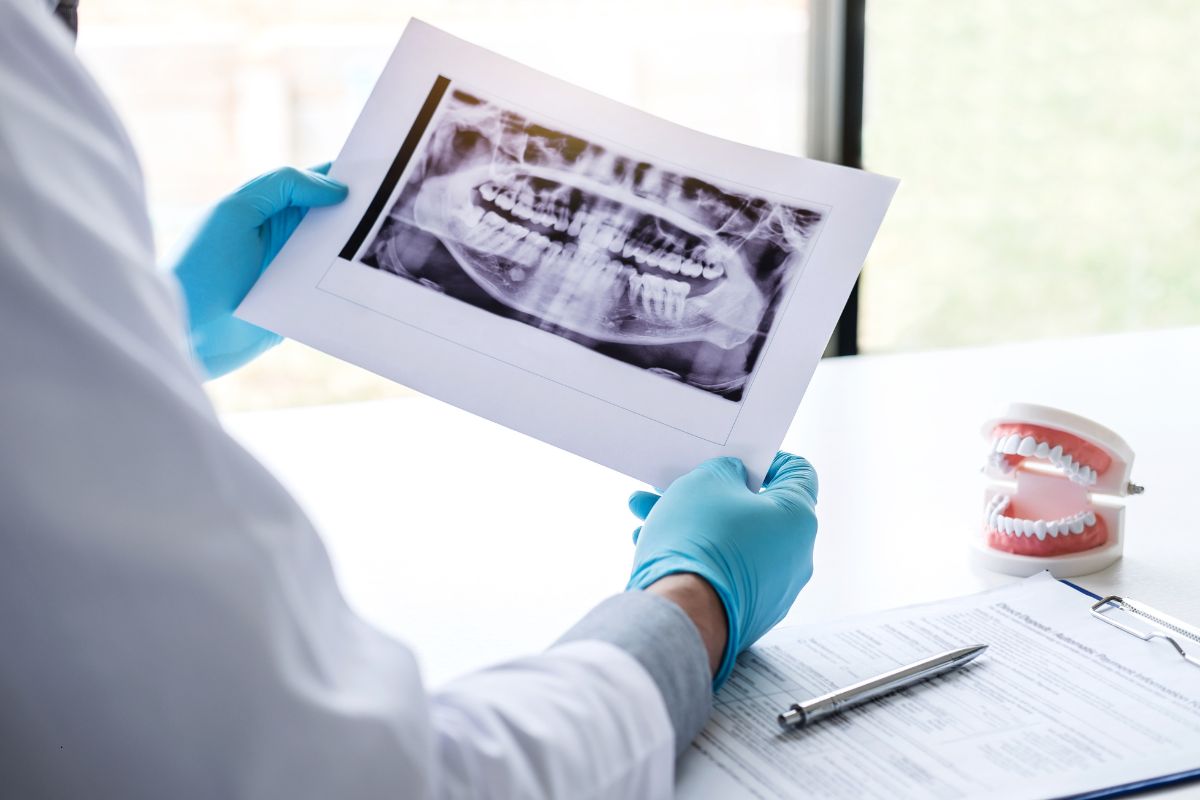
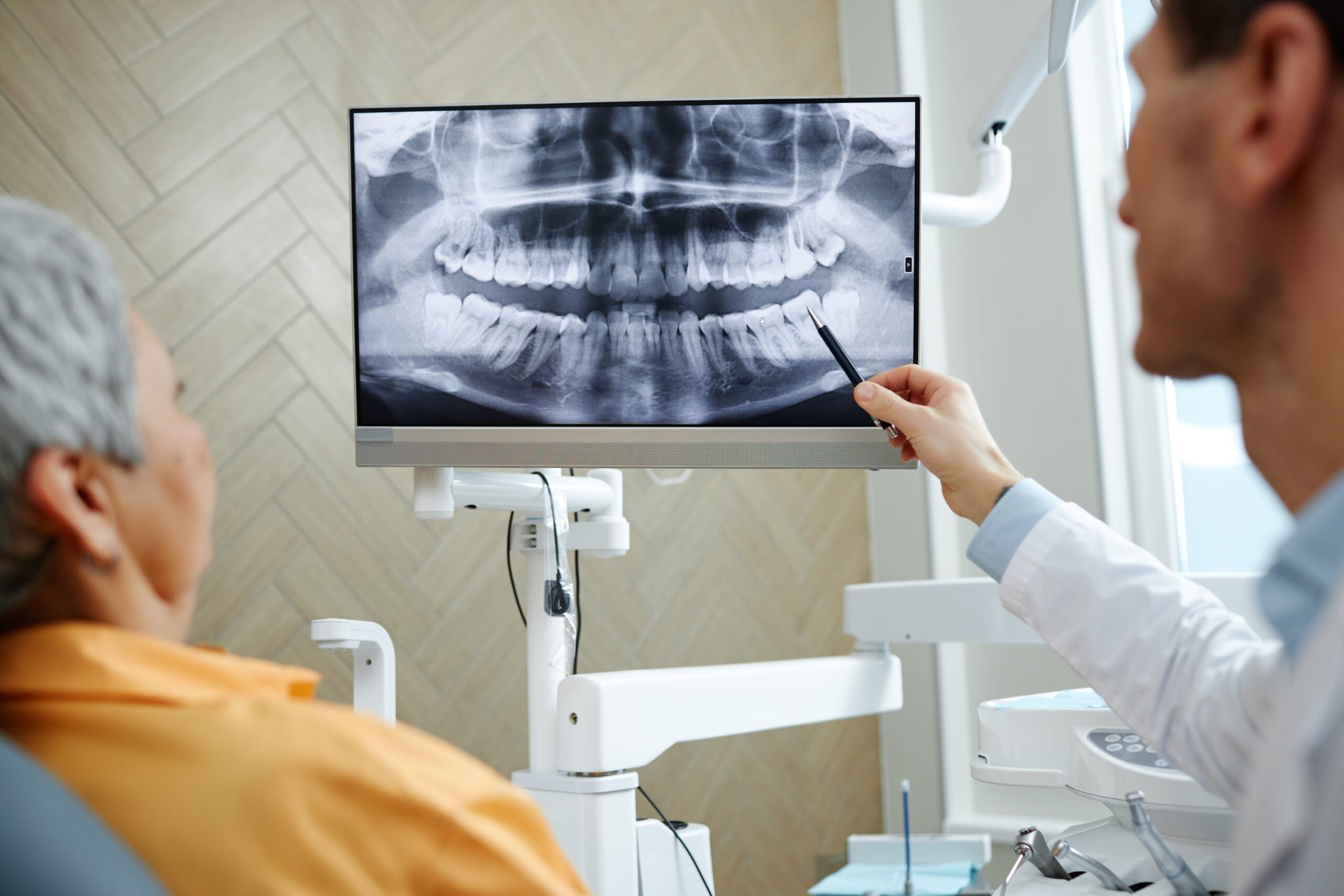
Remember the days of biting down on that uncomfortable film holder and waiting for your X-rays to develop? Thankfully, those days are behind us thanks to the innovation of digital X-rays. This modern technology has transformed dentistry, offering a faster, safer, and more efficient way to examine your oral health.
Enhanced Diagnosis and Treatment Planning
Digital X-rays provide dentists with high-resolution images of your teeth and jawbone structure. These images can be viewed instantly on a computer screen, allowing for a more thorough examination. Dentists can zoom in on specific areas, manipulate the contrast and brightness, and even use color differentiation to highlight potential problems. This level of detail is crucial for detecting cavities, gum disease, bone loss, and other dental issues in their earliest stages, leading to more effective treatment plans and better patient outcomes.
Reduced Radiation Exposure
A significant advantage of digital X-rays is the substantially lower radiation dose compared to traditional film X-rays. Digital sensors are much more sensitive to radiation, requiring up to 70-80% less exposure to capture a clear image. This is a major benefit for patients, especially those who require frequent X-rays for monitoring purposes or complex dental procedures.
Improved Patient Experience
Digital X-rays offer a more comfortable experience for patients. The process is quicker, eliminating the need for waiting for film development. Additionally, the digital sensors are generally smaller and more flexible than traditional film holders, reducing discomfort during the X-ray process.
Environmental Benefits
Digital X-rays are a more eco-friendly option compared to film X-rays. They eliminate the need for chemical processing and disposal of hazardous waste associated with traditional film. This reduces environmental impact and contributes to a greener dental practice.
Increased Communication and Efficiency
Digital X-rays can be easily stored and shared electronically with other dental professionals. This allows for better communication and collaboration between dentists, orthodontists, and specialists involved in a patient’s care. Furthermore, digital images can be readily integrated with dental software, streamlining workflow and improving overall practice efficiency.
Beyond Diagnosis
Digital X-rays play a vital role beyond just diagnosing dental problems. They are instrumental in:
Preventative Care: Regular digital X-rays help dentists identify potential issues early on, allowing for preventive measures to be taken and avoiding more complex treatments in the future.
Treatment Planning: Digital X-rays provide a clear view of your teeth and jawbone, which is crucial for planning procedures like implant placement, root canals, and complex restorations.
Monitoring Treatment Progress: Dentists can use digital X-rays to track the progress of ongoing dental treatments and ensure everything is healing properly.
The Future of Dental Imaging
The evolution of digital X-ray technology continues. New advancements, such as cone-beam CT scans, provide three-dimensional images of your teeth and jawbone, offering even greater diagnostic capabilities. As technology progresses, we can expect even more innovation in the field of dental imaging, leading to further improvements in patient care.
Conclusion
Digital X-rays have revolutionized dentistry by offering a faster, safer, and more efficient way to diagnose and treat dental problems. If you haven’t experienced digital X-rays yet, be sure to ask your dentist about this innovative technology at your next appointment.