12701 Marblestone Dr #260, Woodbridge, VA 22192

Can A Dental Crown Be Adjusted After Cemented?


Dental crowns are essential for restoring damaged or decayed teeth. They offer protection and improve the overall appearance of your smile. Once the tooth cap is cemented, it stays in place permanently. But what happens when you need to adjust after the cement is set?
Let’s explore this common question and dive into what must be done if the crown needs to be changed.
Why You Need To Adjust Crowns After Cementing?
Even with the most careful planning and fitting process, minor discrepancies can occur once the tooth cap is cemented. Here are some of the reasons why an adjustment might be required-
Bite Issues
These problems are also called malocclusion. It is the condition where the upper and lower teeth come together. Sometimes, cemented-capped teeth slightly alter the bite, leading to discomfort or uneven pressure.
High Spots
Even a fraction of a millimeter can make a significant difference. A ‘high spot’ on the capped tooth interferes with the natural chewing motion and can even create jaw pain over time.
Rough Edges or Irritation
Occasionally, a small rough spot or an edge might irritate your gums or tongue.
Aesthetic Issues
Minor aesthetics might be desired in some cases, but significant changes must be addressed before final placement.
Temporary vs Permanent Crown Adjustment
Dental crown adjustments depend on whether you have a temporary crown or a permanent restoration. Both can be adjusted by a dentist, but the materials, purpose, and available options differ.
Temporary Crown Adjustments
A temporary crown protects the prepared tooth while your permanent crown is being made. It is usually made from a less durable material, making it easier for your dentist to reshape or modify when necessary.
Your dentist may adjust a temporary crown if it feels too high when you bite, irritates your gums, or makes chewing uncomfortable. These adjustments can also help maintain a comfortable bite while you wait for your permanent restoration.
Because temporary crowns are not designed for long-term use, avoid chewing hard, sticky, or chewy foods that could loosen or dislodge them.
Permanent Crown Adjustments
A permanent crown is designed to restore the tooth’s strength, function, and appearance over the long term. Depending on the material, your dentist may carefully adjust the biting surface, smooth rough edges, or correct minor areas of excessive contact after cementation.
For example, if your permanent crown feels higher than your other teeth, your dentist can check your bite and make a conservative adjustment when appropriate. The adjusted surface should also be polished properly to maintain its finish and help protect the restoration.
However, adjustments have limits. Major changes to the crown’s shape, color, or fit may require a replacement rather than further reshaping. Your dentist will evaluate the crown’s condition and material before deciding on the safest approach.
Important: Never try to file, grind, or reshape a temporary or permanent crown at home. Contact your dentist if the crown feels uncomfortable, loose, or uneven when you bite.
Is It Possible To Adjust A Dental Crown After Cementing?
Adjusting a tooth cap after cementing is usually possible. But the scope is limited. If the crown feels too high, does not align with the bite, or causes discomfort, the dentist will surely adjust it.
The dental care provider may perform minor modifications, such as reshaping the capped tooth or smoothing rough edges. In cases where the fit is significantly off, the dentist might remove the cement to reposition or replace the dental cap for a damaged tooth, helping restore both comfort and functionality.
If you notice discomfort or issues with the crown, visit a nearby dental clinic as soon as possible. Prolonged irritation can lead to further complications, such as gum disease or tooth sensitivity.
The Adjustment Process- What To Expect
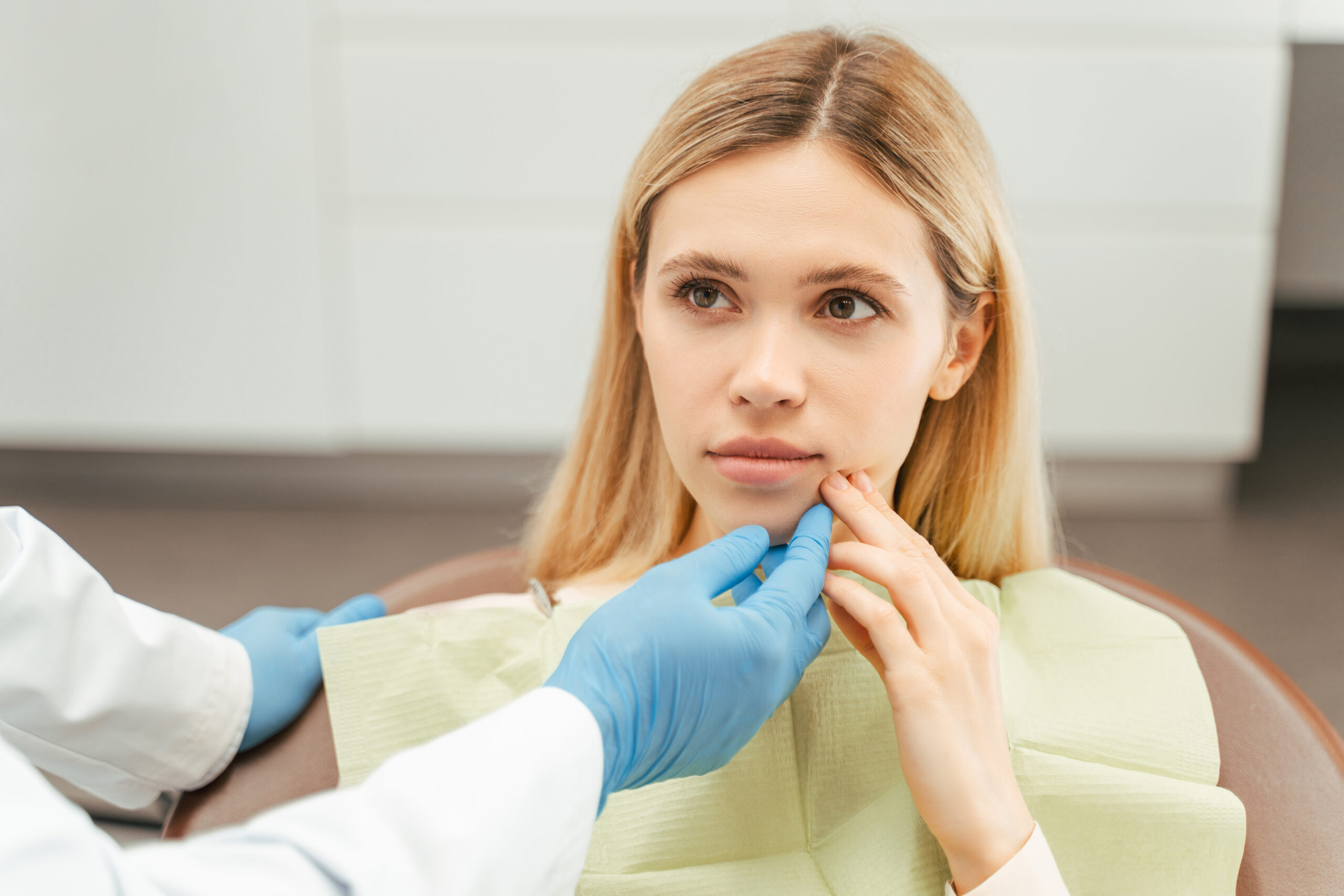
If you are experiencing any discomfort or issues with your new dental crown structure, contact a dental care provider immediately. Do not try to ignore it or opt for self-treatment, as this can lead to more severe problems later.
When you visit your dental practitioner for an adjustment, they will-
-Listen to your problems carefully.
-Perform a thorough examination.
-Make a minor adjustment.
-Re-evaluate the issues
Why is Timely Adjustment Crucial?
Addressing any issue or bite problems promptly is crucial for various reasons-
Preventing Further Discomfort- Untreated matters can lead to ongoing pain, sensitivity, headache, or jaw pain.
Protecting Other Teeth– an uneven bite can put undue stress on natural teeth, leading to wear and tear or fracture.
Ensure Crown Longevity—A properly fitted crown is less likely to experience excessive force or damage, contributing to its long-term success.
Maintaining Dental Health- irritation from a rough edge can make it harder to clean the site effectively, increasing the risk of gum disease.
Taking Care of Your Dental Crown
Proper dental crown care helps protect the restoration, maintain healthy gums, and reduce the risk of damage. Although crowns are designed to be durable, they still require regular oral hygiene and sensible eating habits.
Here are some practical ways to care for your crown after placement or adjustment:
- Brush twice daily: Use a soft-bristled toothbrush and fluoride toothpaste to clean the crown and surrounding teeth. Pay particular attention to the gumline, where plaque can accumulate.
- Floss every day: Clean between your teeth and around the crown carefully to remove plaque and food particles. Ask your dentist for guidance if floss catches or shreds around the restoration.
- Avoid chewing hard objects: Ice, hard candies, and other very hard items can chip or damage certain crown materials. Avoid biting fingernails or using your teeth to open packages.
- Be careful with sticky foods: Caramel, chewing gum, and other sticky foods can pull a temporary crown loose. Follow your dentist’s instructions about what to eat while wearing one.
- Address teeth grinding: If you grind or clench your teeth, particularly during sleep, ask your dentist whether a custom night guard could help protect your crown.
- Attend regular dental checkups: Routine examinations allow your dentist to check the crown’s fit, bite, surrounding gums, and underlying tooth for potential problems.
After a permanent crown is cemented, follow your dentist’s instructions about when to resume chewing normally. If your bite feels uneven, you experience persistent pain when biting, or the crown becomes loose, arrange a dental examination rather than waiting for the problem to resolve on its own.
Dental Crowns In Woodbridge- Your Path To A Perfect Smile
If you are considering dental crowns to restore a damaged tooth, choose a dental practice that prioritizes precision and comfort. A skilled team ensures your tooth cap is fitted correctly, minimizing the need for future adjustments. It’s also reassuring to know that if changes are ever needed—whether due to bite alignment or concerns about the dental crown cement lifespan—your provider can make those updates quickly and effectively.
Your comfort and satisfaction are essential when it comes to dental restorations. If you recently had a tooth cap placed and are not feeling quite perfect, do not hesitate to contact us. Schedule a dental crown appointment online or visit our dental office at Parkway Smiles Dentistry. We are committed to providing exceptional dental care and ensuring your comfort.