12701 Marblestone Dr #260, Woodbridge, VA 22192

Is Invisalign Really Faster Than Braces? A Dentist’s Timeline Breakdown


If you’re thinking about straightening your teeth, one question that comes up a lot, is Invisalign faster than Braces?
The short answer is, it depends on your case. Some people finish faster with Invisalign, while others need braces for better results. What matters most is the condition of your teeth and how well you follow your treatment plan.
If you’ve been searching for a clear answer before your next dental visit, this guide will walk you through it in a simple way.
Meet the Care Behind Your Smile

At Parkway Smiles Dentistry, care starts with a simple goal, helping patients feel informed and comfortable when they visit a Dentist.
Dr. Su-En Thlick, DMD, opened her practice to support families with clear guidance and honest care. With years of hands-on experience, she has helped many patients choose between Invisalign and Braces based on what truly fits their needs.
Her approach is simple. Explain the timeline, answer questions, and guide patients step by step. Many people call in with one concern, how long will it take?
If you’re unsure which option is right for you, a quick call can help you get clear answers and plan your next steps with confidence.
What Affects Your Treatment Time?
Before comparing Invisalign and Braces, it’s important to understand what affects your timeline.
- How crowded your teeth are
- Bite alignment issues
- Age and bone health
- How well you follow instructions
A dentist looks at all these factors before giving a timeline. That’s why two people can have very different experiences with Invisalign or Braces.
Invisalign Timeline: What to Expect
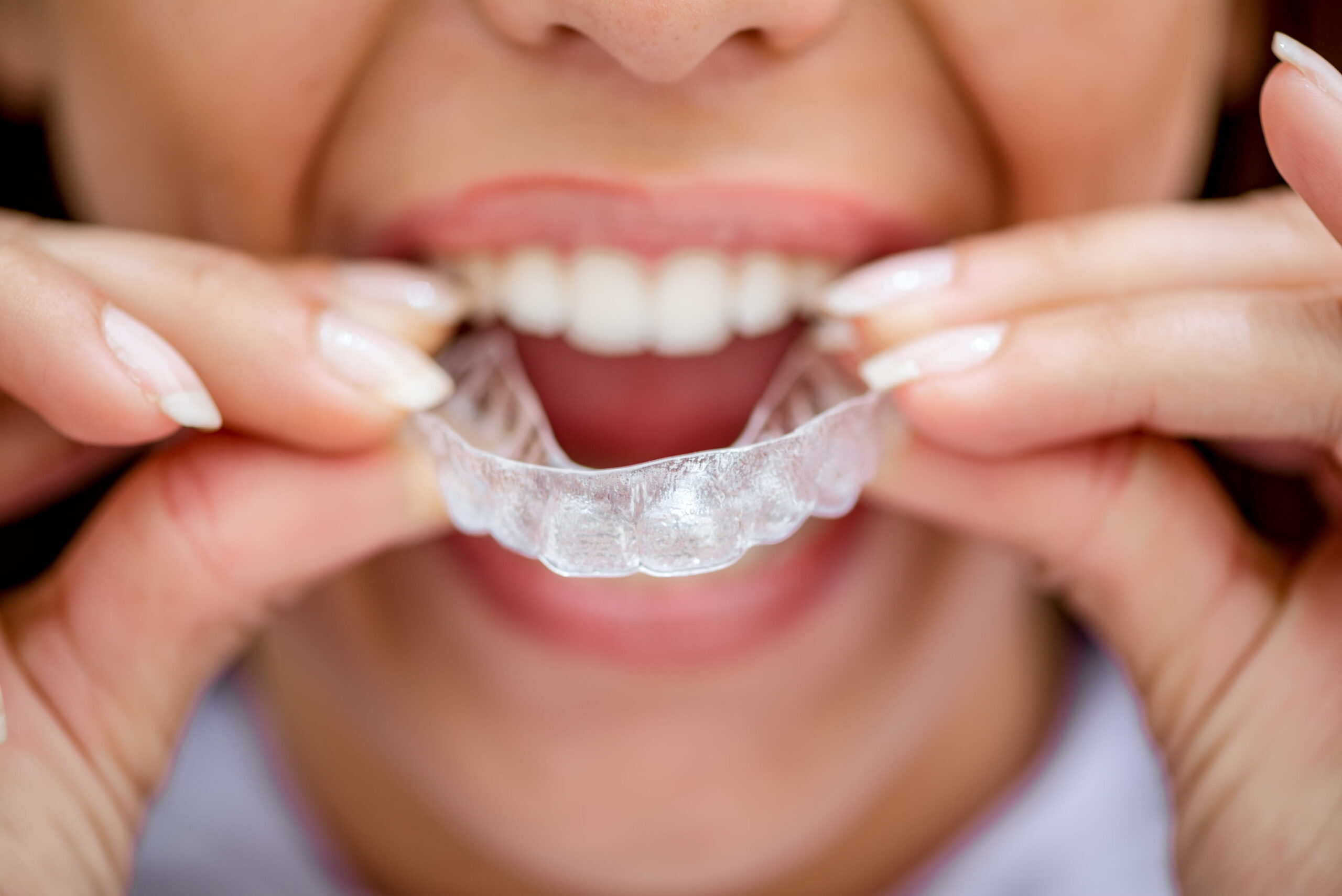
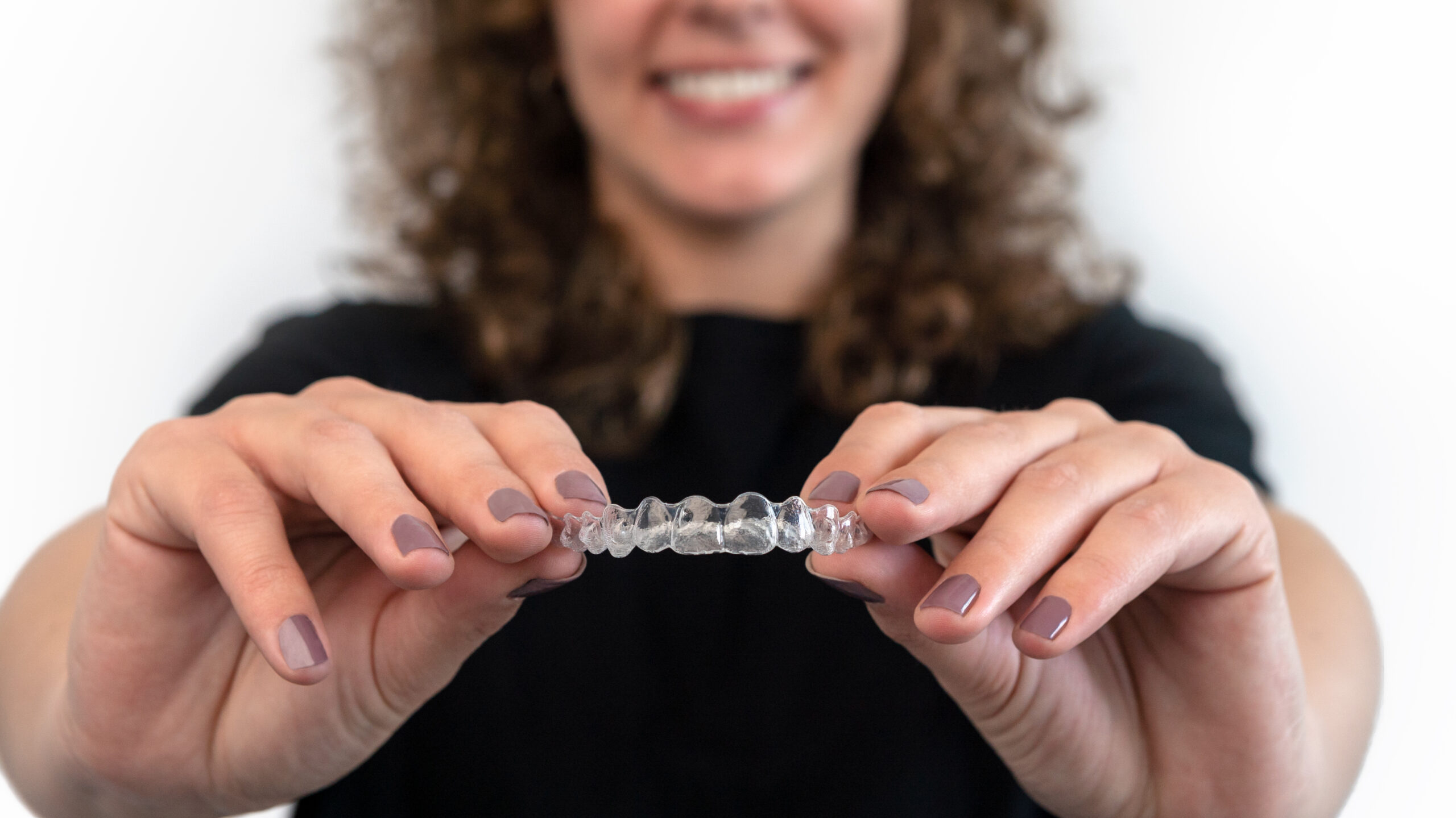
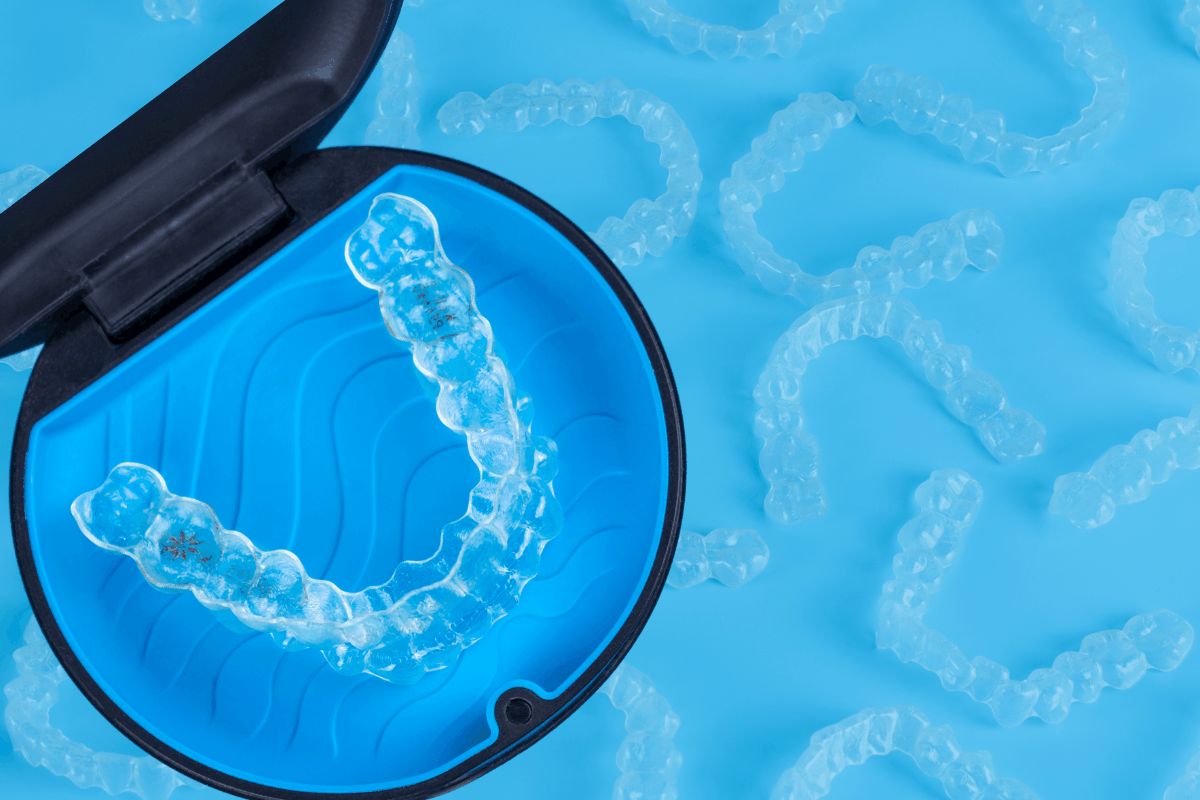
Invisalign uses clear trays that move your teeth step by step.
Average timeline:
- Mild cases: 6 to 12 months
- Moderate cases: 12 to 18 months
You wear the aligners for 20 to 22 hours a day. If you follow this rule, Invisalign can work faster for simple cases.
Why some people finish faster:
- Trays are changed every 1 to 2 weeks
- Less need for adjustments
- Fewer office visits
But if you forget to wear them, your timeline can slow down. This is where regular dental visits help keep you on track.
Braces Timeline: What to Expect
Braces use brackets and wires to move teeth into place.
Average timeline:
- Mild to moderate cases: 18 to 24 months
- Complex cases: up to 30 months
Braces work all the time, even when you’re not thinking about them. This makes them a strong option for more complex problems.
Why they may take longer:
- Gradual adjustments over time
- More in-office visits
- Stronger control over tooth movement
A dentist may suggest braces if your case requires more control or if alignment is more complex.
Invisalign vs Braces: Which Is Faster?
Here’s a simple breakdown:
- Invisalign is often faster for mild cases
- Braces are better for complex issues
- Both can take similar time for moderate cases
The key factor is not just the system, it’s how well you follow the plan. Missing aligner wear time or skipping dental visits can slow progress, even with Invisalign.
A Local Perspective Patients Relate To
In a busy area like Woodbridge, many patients want treatment that fits their daily life. Work schedules, school, and social plans all matter.
Some patients prefer Invisalign because it’s easy to remove during meals or meetings. Others choose Braces because they don’t have to remember to wear them.
At Parkway Smiles Dentistry, patients often ask which option is faster. The answer is always based on their unique case, not a one-size answer.
How to Stay on Track and Finish Faster
No matter which option you choose, these steps help keep your timeline on track:
- Follow your Dentist’s advice
- Keep all dental visits
- Wear aligners as instructed if using Invisalign
- Avoid damaging brackets if you have Braces
Simple habits can make a big difference in how fast you see results.
When Should You Start?
If you’ve been thinking about straightening your teeth, the best time to start is now. Waiting only extends your timeline.
A dentist can review your case, explain your options, and give you a clear plan. Whether it’s Invisalign or Braces, early action helps you reach your goal sooner.
Conclusion: The Right Choice Is the Smart Choice
So, is Invisalign faster than Braces? In some cases, yes. But not always.
The right choice depends on your teeth, your habits, and your goals. Both options work well when guided by an experienced Dentist and supported by regular dental visits.
If you’re ready to take the next step, schedule an consultation with Parkway Smiles Dentistry to learn what works best for you. You can also contact our Parkway Smiles Dentistry office to plan your visit and get started on a timeline that fits your life.
Frequently Asked Questions
How do I know if my case is simple or complex?
A simple case usually involves minor spacing or slight crowding, while complex cases may include bite issues or major misalignment. Only a full exam can confirm this. A dental professional will check your teeth, bite, and jaw to give you a clear idea of how long treatment may take and which option suits you best.
What can slow down my treatment time?
Treatment can take longer if instructions are not followed. For clear aligners, not wearing them for the recommended 20 to 22 hours a day can delay results. With fixed appliances, broken brackets or missed appointments can also extend the timeline. Staying consistent plays a big role in how fast you finish.
Is one option better for adults with busy schedules?
Many adults prefer removable trays because they can take them out while eating or during important meetings. However, they require discipline. Fixed options may be better for those who want a system that works continuously without needing daily attention.
Will I see results quickly after starting treatment?
Most people begin to notice small changes within a few weeks. Teeth start shifting early, but full results take time. Regular follow-ups help track progress and make sure everything is moving as planned.
Are follow-up visits really necessary during treatment?
Yes, follow-up visits are important. They allow your provider to monitor progress, make adjustments, and ensure your teeth are moving safely. Skipping visits can lead to delays or less effective results.
What should I expect after finishing treatment?
After treatment, you will likely need to wear a retainer. This helps keep your teeth in their new position. Without it, teeth may slowly shift back over time. Retainers are a key part of maintaining your final results.