12701 Marblestone Dr #260, Woodbridge, VA 22192

Root Canal vs Extraction: How to Decide Whether to Save or Pull a Tooth


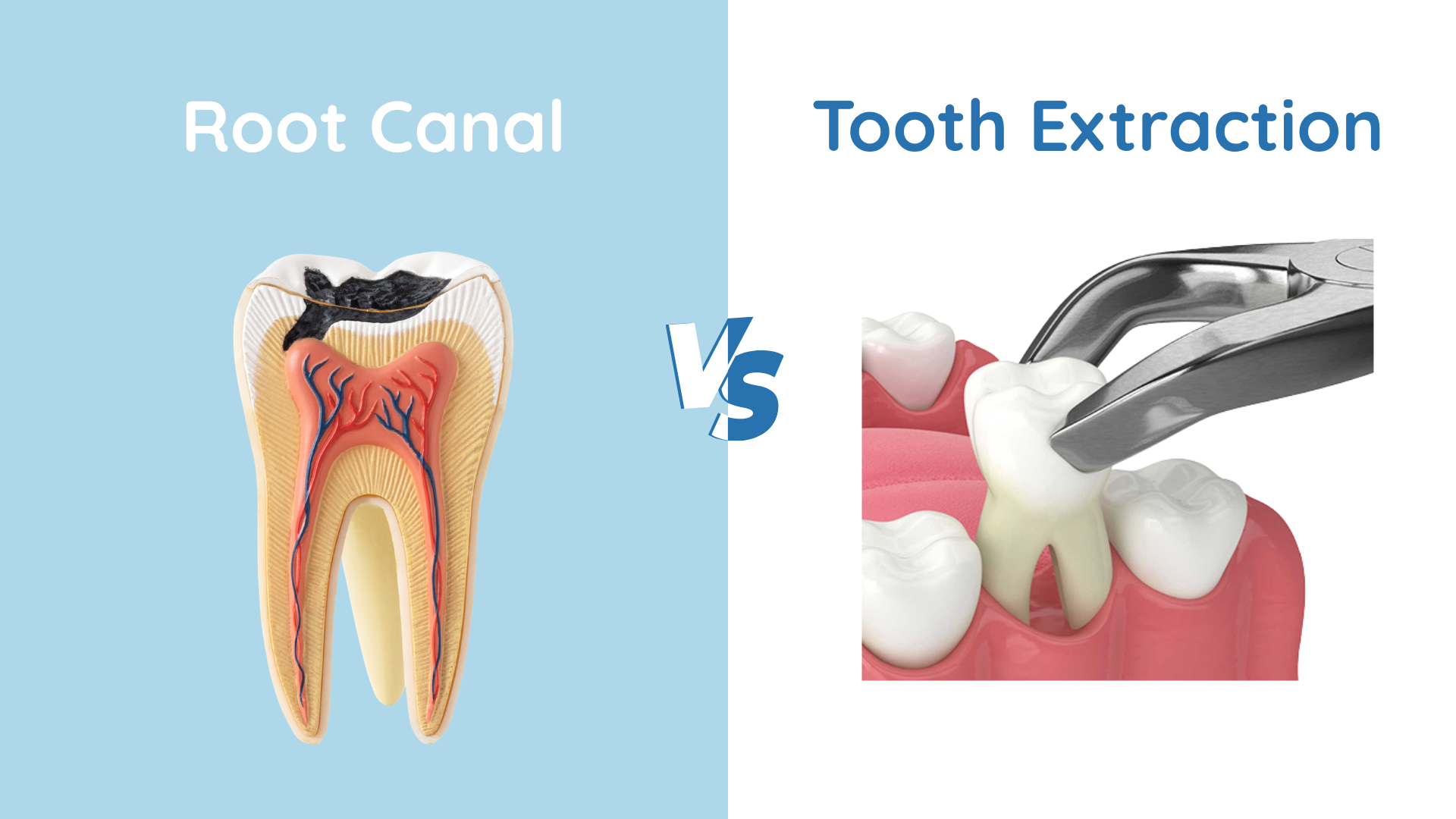
Root canal vs extraction comes down to one question: can the tooth be restored? Dentists recommend saving a natural tooth whenever enough healthy structure remains. Extraction is advised when repair is not possible. Specialized endodontic care in Woodbridge, VA confirms which option fits through an exam and imaging.
What Is the Difference Between a Root Canal and a Tooth Extraction?
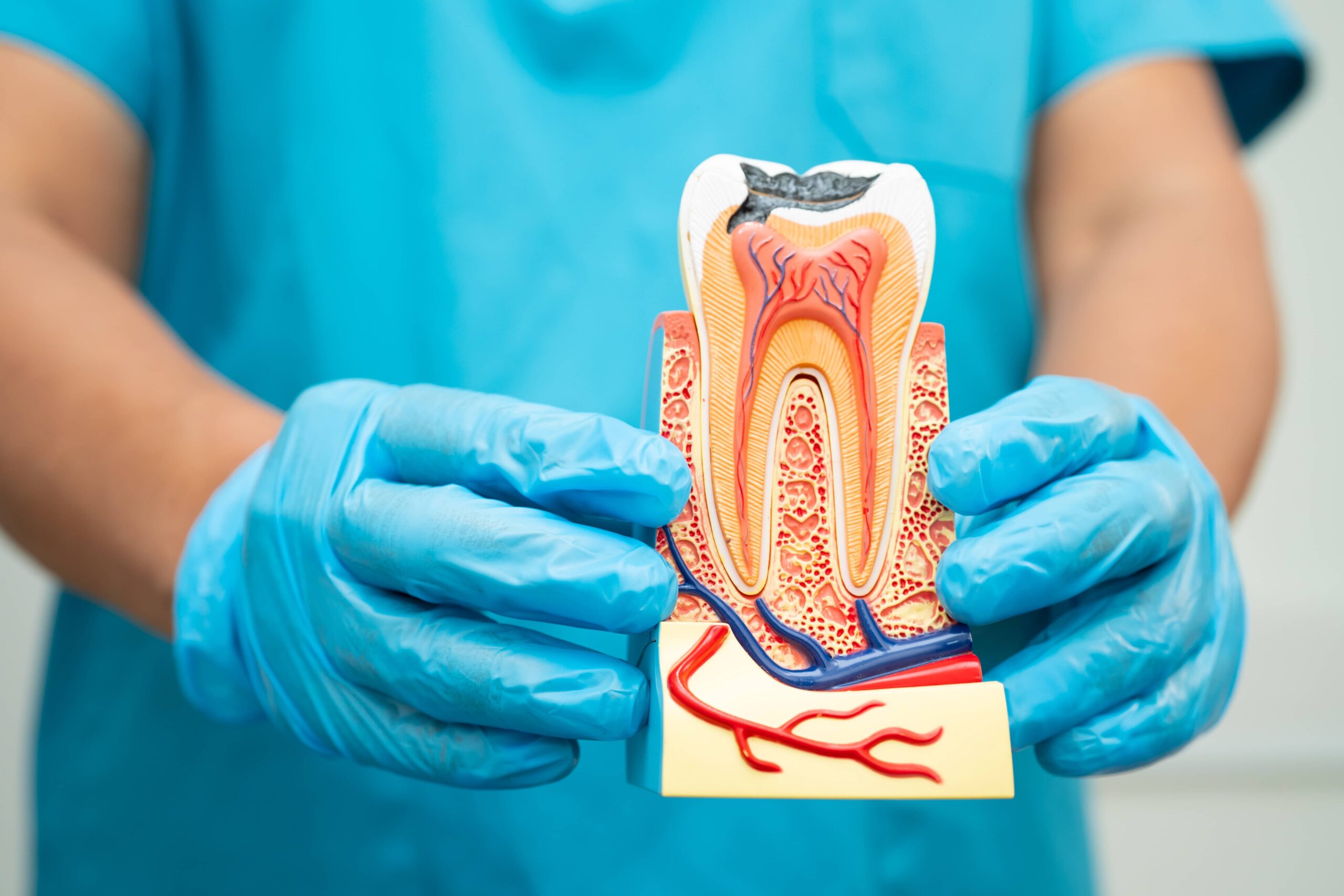
A root canal removes infected pulp and keeps the tooth. An extraction removes the entire tooth and usually requires a replacement, such as an implant, bridge, or denture.
During a root canal, the endodontist numbs the area, removes inflamed or infected pulp, cleans the canals, and seals them. Molars typically receive a crown afterward. Treatment takes one to two visits. Both procedures use local anesthesia.
During an extraction, the dentist numbs the area and removes the tooth. A simple extraction removes a fully erupted tooth. A surgical extraction removes a broken or impacted tooth through a small incision.
When Should a Dentist Save a Tooth Instead of Pulling It?
A dentist saves a tooth when enough healthy structure remains, the roots are intact, and the surrounding bone and gums can support it.
Digital X-rays and 3-D cone-beam imaging confirm these factors. Root canal therapy is considered when these conditions are present:
- Infection limited to the pulp or root tip
- Enough tooth structure above the gumline to hold a crown
- Healthy supporting bone
- Gum health that allows long-term stability
A retained natural tooth keeps its roots, which help maintain jawbone and bite alignment. The American Association of Endodontists (AAE) states that endodontic treatment should be the first choice for a compromised tooth that can be saved.
When Is Extraction the Better Option?
Extraction is the better option when a tooth has a vertical root fracture, severe decay below the bone line, advanced gum disease, or too little structure to restore.
A root canal cannot repair these problems. A periodontal evaluation and imaging confirm the diagnosis. Delaying treatment allows infection to spread to the jawbone and nearby tissues, so prompt decisions limit complications.
What Are the Pros and Cons of Pulling an Infected Tooth?
Pulling an infected tooth removes the infection source in one visit and costs less upfront. It also leaves a gap that can cause bone loss and tooth shifting unless the space is replaced.
The advantages and drawbacks are listed below:
- Advantages: one appointment, immediate removal of the infection source, lower initial fee
- Drawbacks: bone loss at the site, drifting of neighboring teeth, and added cost for replacement options such as implants, bridges, or partial dentures
How Do Survival Rates Compare for Root Canals and Implants?
A 2007 systematic review in the Journal of Prosthetic Dentistry reported about 97% survival for both root canal-treated teeth and single implants, with no significant difference.
A critical review in NIH’s PubMed Central found that long-term retention of a functional tooth or implant is the most informative outcome measure. Reported success rates vary with the criteria used. Outcomes also depend on restoration quality, gum health, and bone support. A crown on a root canal-treated molar protects the remaining structure from fracture.
Root canal treatment carries risks, including persistent infection, a missed canal, and a cracked tooth. Root canal retreatment or an apicoectomy addresses most of these failures. Extraction carries its own complications, including dry socket, bleeding, and infection.
How Long Is Recovery After a Root Canal or an Extraction?
Root canal recovery usually involves mild soreness for one to three days. Extraction healing takes longer because the socket must close, and an implant requires months for bone to fuse to the post.
Typical timelines are:
- Root canal: soreness for one to three days
- Extraction: initial socket healing over one to two weeks
- Implant: three to six months before the final crown
After an extraction, a blood clot forms in the socket and protects the healing site. After a root canal, patients should avoid chewing on the tooth until the final restoration is placed. Pain after either procedure is managed with over-the-counter medication or prescribed medication. Patients scheduled for surgical removal can review how to prepare for oral surgery before the appointment.
How Much Does a Root Canal Cost Compared With an Extraction?
Extraction costs less upfront, but a root canal with a crown usually costs less than an extraction followed by an implant.
The table below shows typical U.S. ranges. Fees vary by tooth type, case complexity, and region. Molar root canals sit at the top of the range, and front teeth sit at the bottom.
| Treatment | Typical Cost Range |
| Extraction (simple to surgical) | 75–800 |
| Root canal (incisor to molar) | 500–1,500 |
| Crown after root canal | 800–2,500 |
| Single implant (post, abutment, crown) | 3,000–6,000 |
Patients without insurance can use the In-Office Plan, which has a one-time $99 registration fee and a fixed-fee schedule.
Should I Choose a Root Canal or an Implant for a Failing Tooth?
A root canal is preferred when the tooth is restorable. An implant is considered when the tooth cannot be saved and the jaw has enough bone to hold a titanium post.
Patients with limited bone may need bone grafting or a sinus lift before dental implant placement. A periodontist, such as Dr. Thomas Lin, plans these procedures. Bridges and partial dentures are alternatives to implants. Leaving the space empty is a third option, but it carries the bone loss and tooth-shifting risks described above.
Who Can Evaluate a Painful Tooth in Woodbridge, VA?
An endodontist evaluates the tooth with a clinical exam and X-rays, then recommends saving or removing it.
Parkway Smiles Dentistry has an endodontist, Dr. Pratik Patel, and a periodontist, Dr. Thomas Lin, in one office. Persistent toothache, lingering heat or cold sensitivity, facial swelling, or a gum abscess requires prompt evaluation.
Contact our Woodbridge dental office to schedule an exam. New patients are welcome. Find Parkway Smiles Dentistry on Google for directions to 12701 Marblestone Dr #260.
FAQs
Is a root canal better than pulling a tooth?
A root canal is generally preferred when the tooth is restorable, because it keeps the natural tooth and avoids the bone loss that follows extraction.
Can an infected tooth be saved without extraction?
Yes, root canal therapy can save an infected tooth when enough structure and supporting bone remain.
Is a root canal more painful than an extraction?
No, both procedures use local anesthesia, and a root canal feels similar to getting a filling.
What happens if I leave the space empty after an extraction?
The gap can lead to bone loss at the site and shifting of neighboring teeth.