12701 Marblestone Dr #260, Woodbridge, VA 22192

Can Oral Surgery Fix a Receding Gum Line? Exploring Your Options


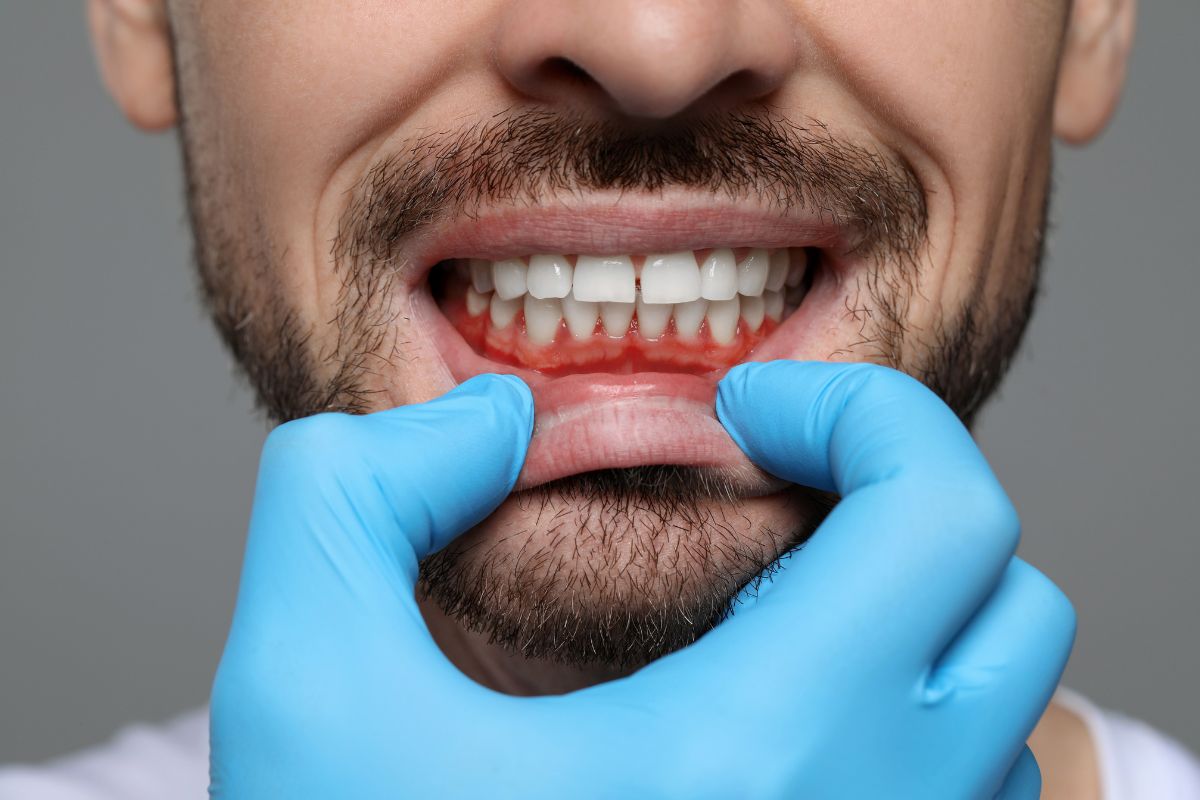
A receding gum line is a common but serious dental concern that many people face. Gums protect the roots of your teeth, providing a barrier against bacteria and other harmful elements. However, gum recession exposes the tooth roots, leading to sensitivity, decay, and even tooth loss.
In this blog, you will get valuable insights into oral surgery, a trusted option for reversing receding gums. Keep reading to learn why consulting an oral surgeon in Woodbridge is essential to restore gum health and prevent further damage.
Why Oral Surgery Matters for Gum Recession?
Dental surgery can be a significant step in treating advanced gum recession. Unlike basic treatments like deep cleaning or scaling, surgery addresses more severe cases, where the gum loss has exposed too much of the tooth root. An oral surgeon can recommend procedures to stabilize and restore the gum line by assessing the gum tissue and bone.
Gum recession often results from periodontal disease, trauma, or genetic factors. Addressing it early is crucial—it helps reduce the risk of infection, tooth loss, and bone deterioration. When standard treatments no longer provide enough support, your dentist may recommend a dental procedure for gum loss to help rebuild and protect your smile
Popular Surgical Procedures to Maintain Healthy Gum Line
Biopsies: Checking for Underlying Issues
Before treating a receding gum line, an oral surgeon might perform a biopsy. A biopsy involves taking a small tissue sample from the affected area for lab testing. This is important when gum recession might be due to an underlying disease rather than simply periodontal issues.
Biopsies can reveal if there are abnormal cells, infections, or other issues that could influence the treatment plan. If the recession is linked to an autoimmune or other systemic condition, your surgeon might modify the treatment approach to prevent further complications.
Sinus Lifts: Strengthening the Foundation for Restoration
A sinus lift may be necessary for patients whose gum recession has led to significant bone loss. This procedure involves lifting the sinus membrane and adding bone to the upper jaw just beneath the sinus cavity. Although sinus lifts are primarily for patients needing implants, they’re sometimes necessary to support a receding gum line, especially when bone loss is extensive.
Sinus lifts provide a strong foundation, allowing for dental implants if teeth have been lost due to gum recession. A dental surgeon can determine if a sinus lift would help stabilize the area, especially if additional restoration procedures are planned.
Dental Implants: Replacing Lost Teeth and Supporting Gums
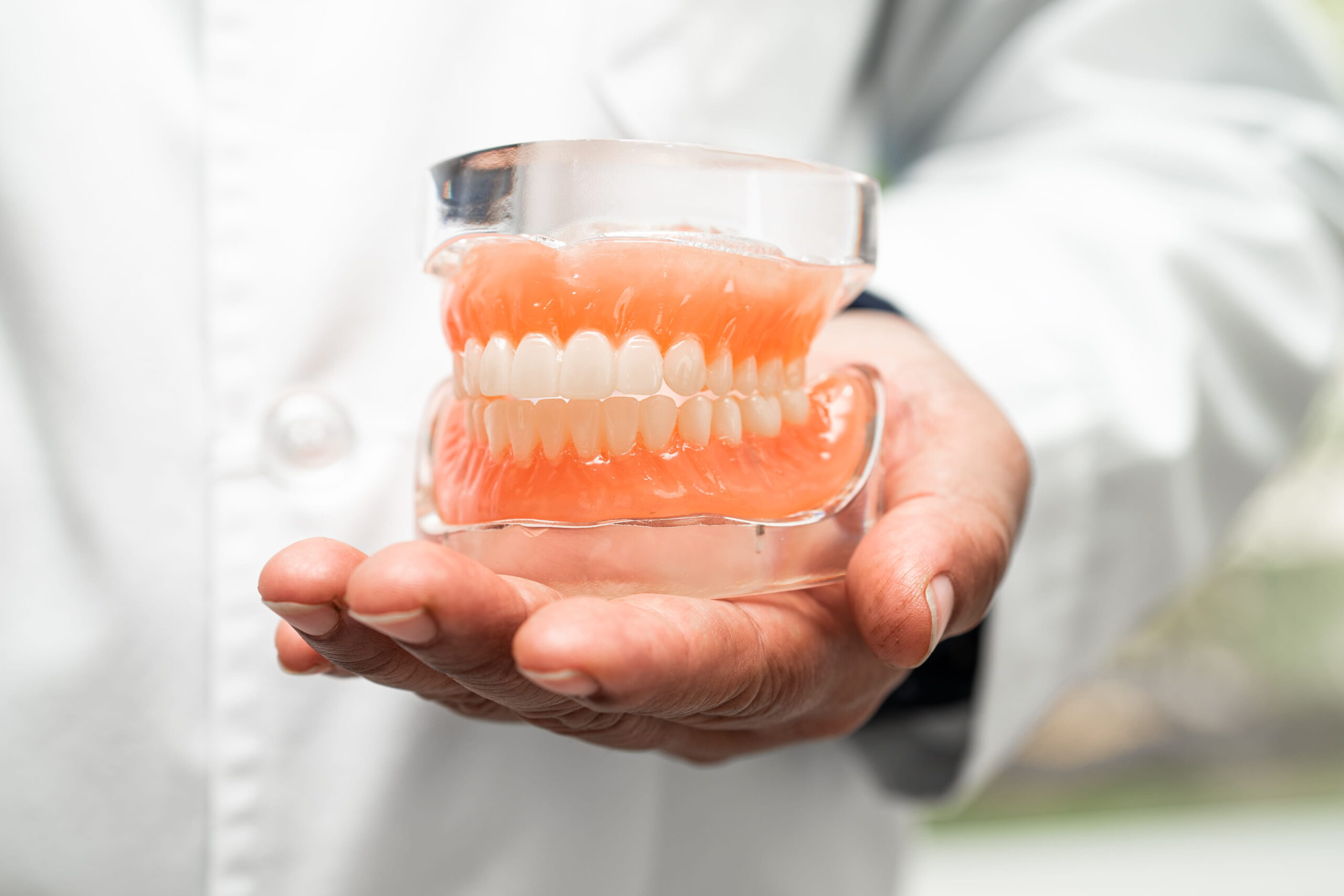
When gum recession has led to tooth loss, implants become a valuable option. These dental prosthetics replace missing teeth with artificial roots, creating a stable, long-lasting solution. Beyond restoring a patient’s smile, implants play a crucial role in maintaining gum and bone health. By placing an implant, an oral surgeon prevents further bone loss, which is a common side effect of missing teeth.
Post-Surgery Care and Oral Surgery Recovery Time
Following post-care instructions is crucial for a smooth recovery after dental surgery. Recovery time varies based on the procedure but typically ranges from a few days to a few weeks. Key factors include maintaining good oral hygiene, avoiding smoking, and following dietary restrictions. Your oral surgeon may also recommend specific medications or rinses to aid healing. With proper care, the recovery process will help protect your gums and ensure long-lasting results.
Ready to Restore Your Gum Health? Let’s Talk!
If you’ve noticed your gums pulling back, increased tooth sensitivity, or changes in your smile, don’t wait until the problem worsens. Early treatment can prevent further damage and even save your teeth.
At Parkway Smiles Dentistry, our experienced team specializes in gum grafting, minimally invasive surgery, and advanced periodontal care designed to restore your gums and protect your long-term oral health. We use gentle techniques, state-of-the-art technology, and personalized care to make your treatment as comfortable and effective as possible.